


Hallmarked Edwardian Silverware
Hallmarked Edwardian silverware brings sturdy early twentieth-century craftsmanship and gleaming metal to the dining table or desk.
Hallmarked Edwardian Silverware
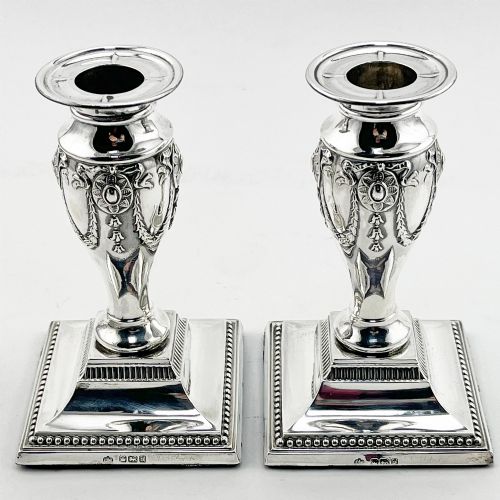
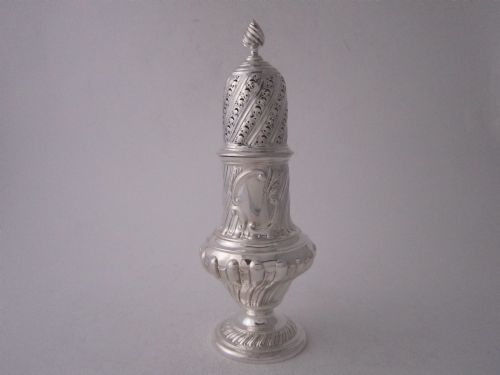
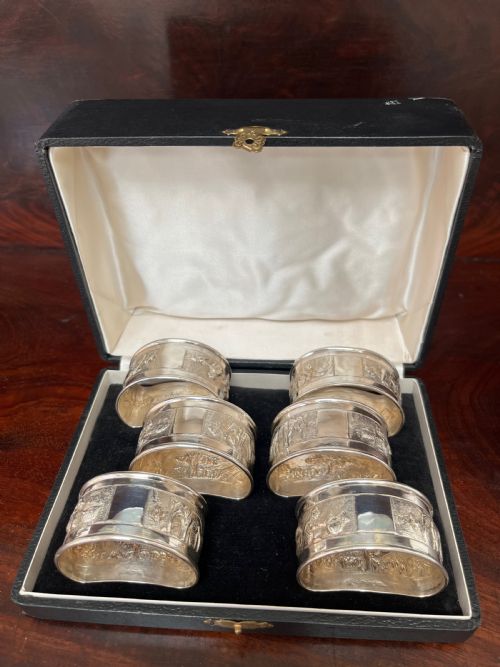
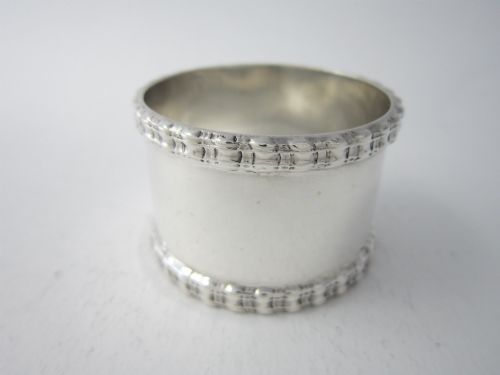
Hallmarked Edwardian silverware comprises practical and decorative objects made from sterling silver during the early twentieth century. You will frequently encounter napkin rings and sugar casters on this page alongside serving spoons, desk accessories, and egg cups.
The selection ranges from strict Edwardian items dated to 1903 and 1904 through to related pieces spanning the Victorian era, the 1920s, and the 1930s. Makers also reproduced earlier aesthetics, resulting in Georgian Revival and Victorian styles sitting alongside Art Deco designs.
How they were made
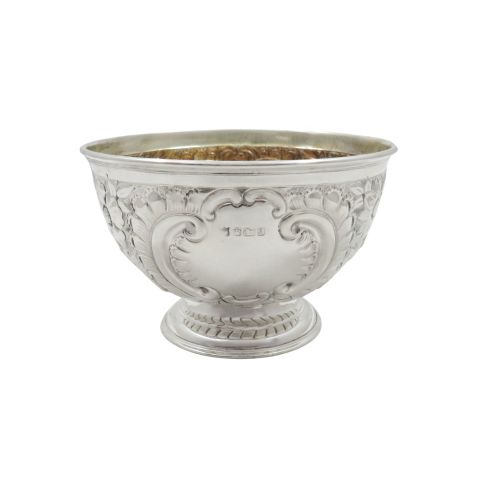
Silversmiths utilised solid sterling silver shaped into functional forms like polygon side sugar shakers, bowls on pedestal feet, and heavy napkin rings. Manufacturing relied on traditional smithing techniques combined with precise stamping for hallmarks.
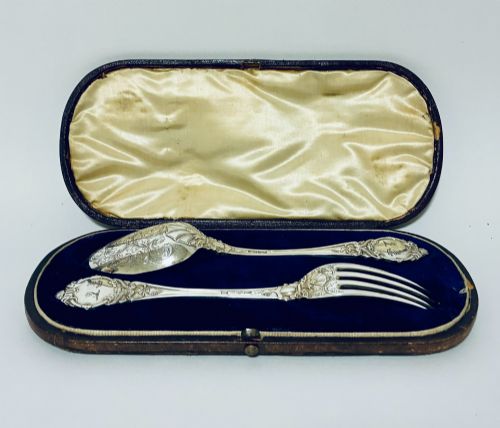
Certain objects incorporated contrasting materials to complement the metalwork, including velvet, silk, leather, wood, and paper found in fitted cases and desk accessories.
Ducks provide a surprisingly formal shape for serving boiled eggs at breakfast.
What varies in quality
Quality depends upon the weight of the metal utilised and the crispness of the original silversmith's shaping, whether executed on a sugar caster or a set of napkin rings. Pieces displaying robust gauge silver and defined structural lines demonstrate superior production standards.
The clarity and completeness of the official assay office stamps directly influence the standing of an item, as sharp hallmarks confirm both the metallic standard and the date of manufacture.
The Barker Brothers·John Grinsell & Sons·Roberts & Belk
The Hallmarked Edwardian Silverware Glossary
- Hallmark
- An official stamp applied by an assay office to guarantee the purity of precious metal. These marks typically identify the maker, the standard of silver, and the year of testing.
- Sterling Silver
- A silver alloy containing 92.5 percent pure silver by weight and 7.5 percent other metals, usually copper. This composition provides the durability required for functional items like cutlery and bowls.
- Sugar Caster
- A perforate vessel designed for sprinkling sugar over food. Examples range from Victorian pedestals to Art Deco polygon shakers.
- Blotter
- A desk accessory used to absorb excess ink from handwritten documents. They often feature solid silver mounts paired with wood or paper components.
Hallmarked Edwardian Silverware: Frequently Asked Questions
How are these silver pieces used?
Many objects serve practical functions in the home, such as napkin rings at the dinner table, sugar casters for sweetening, and blotters on a writing desk.
Others are purely decorative bowls or egg cups meant to be displayed or utilised during meals.
How do I identify Edwardian silver?
You can determine the period by checking the official hallmarks stamped directly onto the metal, which include date letters corresponding to specific years.
Stylistic elements also provide clues, as Edwardian items often bridge ornate Victorian designs and clean Art Deco lines.
What materials accompany the silver?
While the primary material is sterling silver, some listings incorporate secondary elements like velvet, silk, leather, wood, and paper.
These auxiliary materials frequently appear in fitted presentation cases or structured desk accessories.