



Hall Wall Mirror Oak
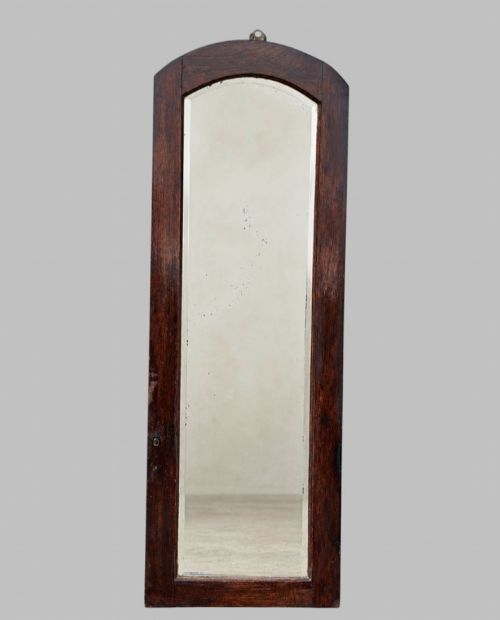
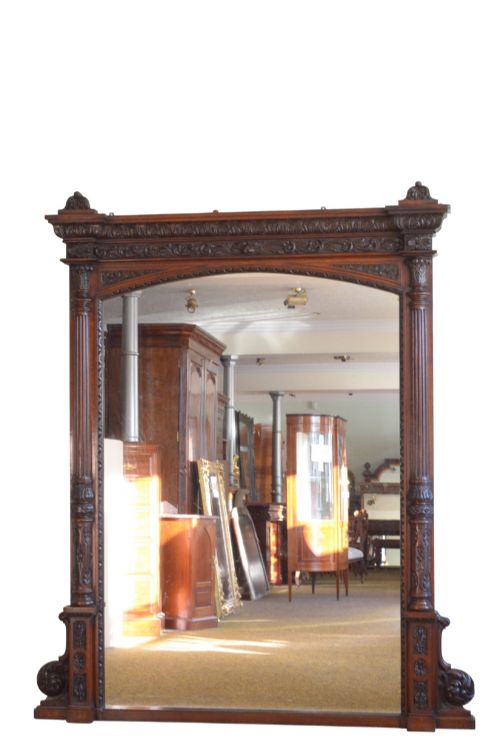
A hall wall mirror oak piece organises the entrance, bringing timber warmth and a reflective surface to the threshold of the house.
Hall Wall Mirror Oak
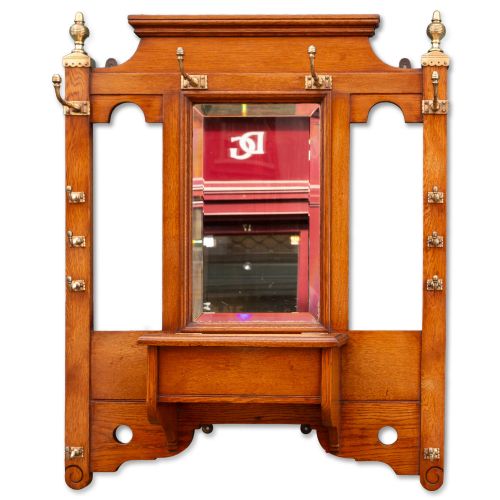
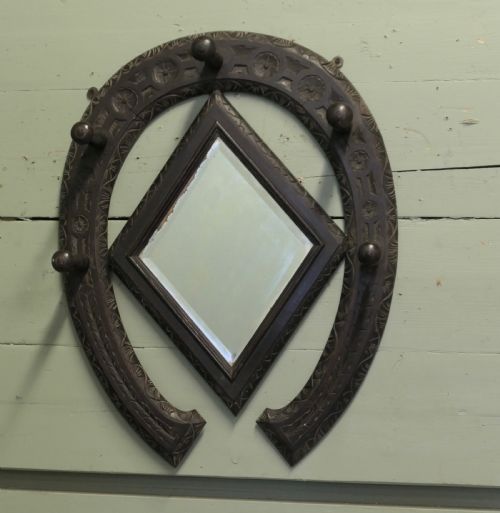
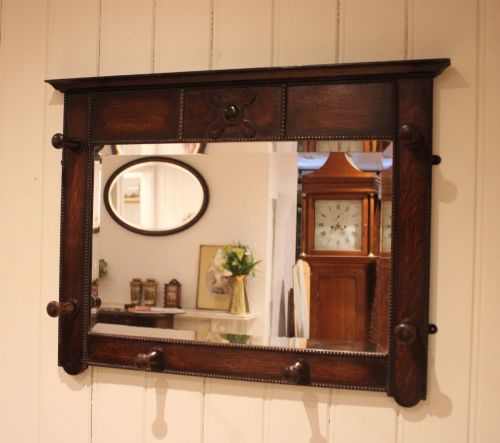
A hall wall mirror oak piece serves as the primary looking glass for the entrance, frequently combined with practical additions for daily use. Buyers encounter wall mirrors, coat racks, and console tables designed to handle hats, coats, and keys while anchoring the hallway.
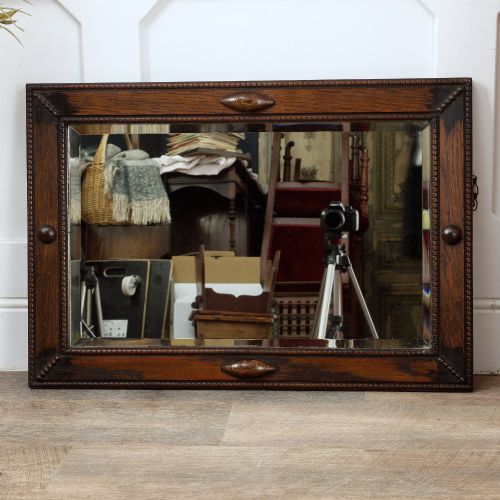
The selections span from the Victorian and Edwardian eras into the early twentieth century, showing revivalist influences such as Gothic, French Rococo, and Arts and Crafts. Solid oak frames dominate the selection, often paired with bevelled glass and brass fittings.
Simpler domestic forms sit alongside elaborate hall stands and wall cabinets with shelves or candle boxes. Most examples utilise golden or scrubbed oak timbers suited to traditional hallways and vestibules.
How they were made
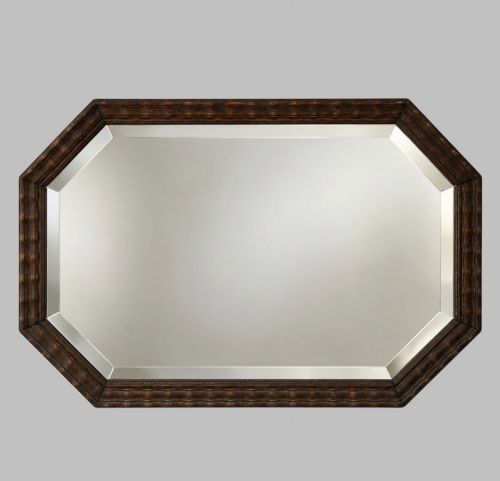
Makers constructed these pieces using solid oak framing joined with traditional methods, housing heavy mirror glass secured by wooden backs. Bevelled glass edges appear frequently, reflecting light across narrow hallways and adding depth to the room.
Brass fittings, hooks, and candle boxes are integrated directly into the wooden framework, alongside carved details or applied gesso and gold leaf on revival pieces. The timber is finished to highlight the natural grain, ranging from dark Victorian polish to golden Edwardian tones.
Several mirrors include built-in candle boxes, ensuring residents could light the hallway after dark.
What varies in quality
The distinction rests upon the depth of the carving, the integration of auxiliary functions like coat hooks or shelves, and the purity of the timber selection. Solid construction and thick, bevelled mirror glass separate ambitious workshop pieces from standard domestic fittings.
Stylistic cohesion dictates the upper tier, where Arts and Crafts or Gothic Revival details are executed with care rather than applied as surface decoration. The presence of secondary materials, such as brass hardware or gilt gesso accents, elevates the refinement of the piece.
Waring and Gillow
The Hall Wall Mirror Oak Glossary
- Bevelled glass
- Glass with an angled edge ground and polished to a thinner perimeter. This technique catches light and adds visual depth to the mirror.
- Gesso
- A plaster-like mixture applied to wood as a base for gilding or painting. It provides a smooth surface for gold leaf application.
- Arts and Crafts
- A design movement prioritising traditional craftsmanship and simple forms. Pieces often feature honest timber construction and functional utility.
- Gothic Revival
- An architectural and decorative style drawing on medieval forms. Examples frequently incorporate pointed arches and heavy timber mouldings.
Hall Wall Mirror Oak: Frequently Asked Questions
Where should I hang a hall mirror?
Position the piece near the entrance door at eye level to check appearance before leaving the house. Placing it opposite a light source maximises illumination in narrow hallways.
Ensure the wall structure supports the weight of solid timber frames and integrated hooks.
How do I date an oak hall mirror?
Examine the hardware, the cut of the wood, and the bevel of the glass for period indicators. Victorian pieces often show darker finishes and heavy carving, while Edwardian examples tend towards lighter golden tones.
Stylistic cues like Arts and Crafts simplicity or Gothic revival motifs further narrow the decade of origin.
Can these mirrors handle damp coats?
The integrated hooks and shelves were designed precisely for everyday outerwear and hats. Solid oak withstands hallway use when the timber is properly maintained.
Ensure wet garments touch only the brass hooks rather than resting against the wooden frame or mirror plate.
What maintenance does old oak need?
Apply a suitable wax polish periodically to nourish the dry timber and preserve the grain. Avoid excessive moisture on both the wood and the mirror backing.
Clean the glass with standard solutions while keeping moisture away from the frame joints and silvered edges.