
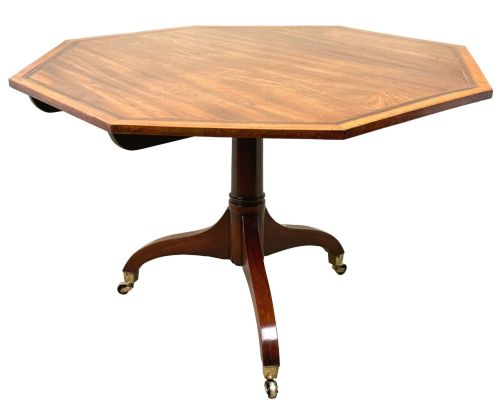
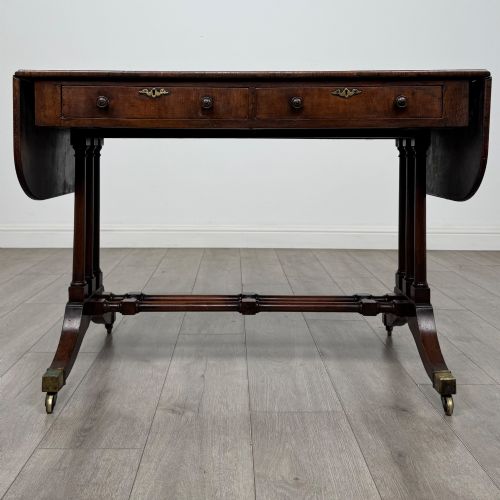
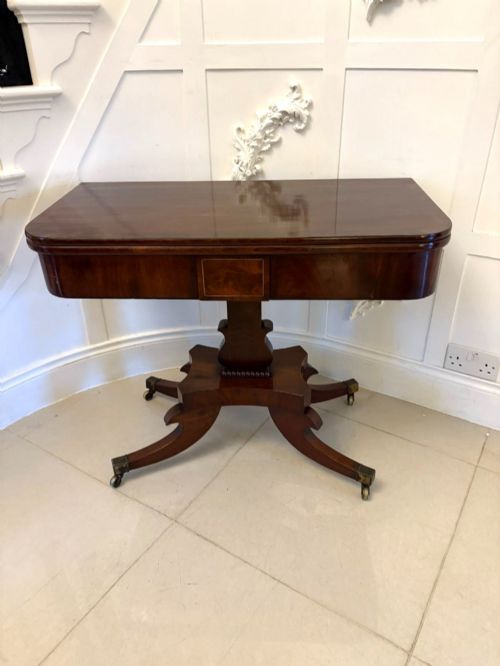
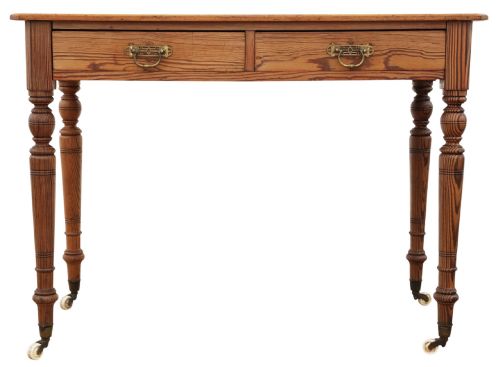
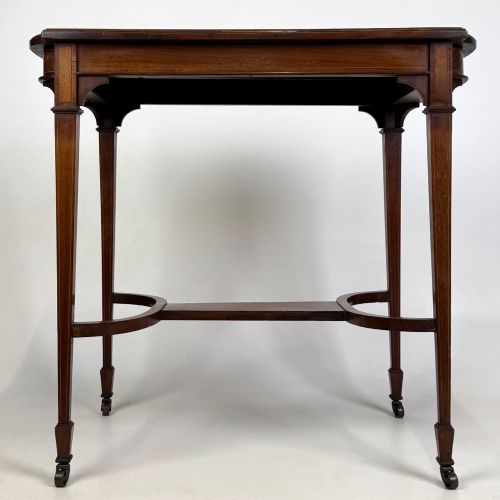
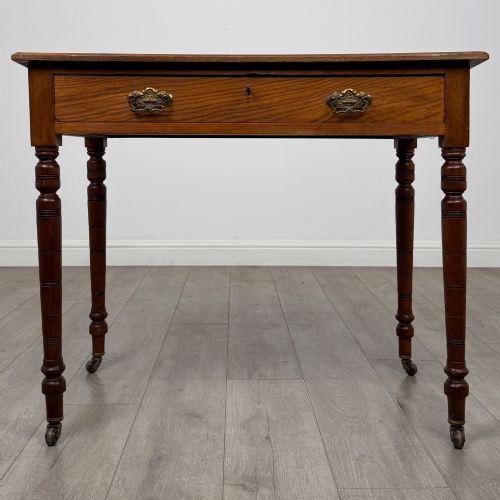
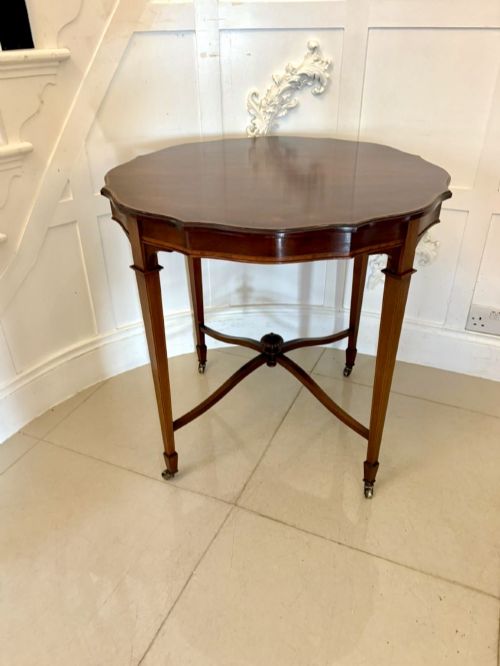
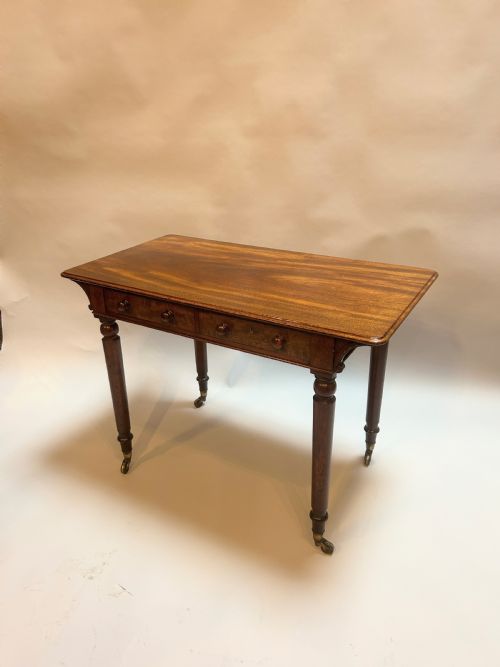
Hall Table on Castors
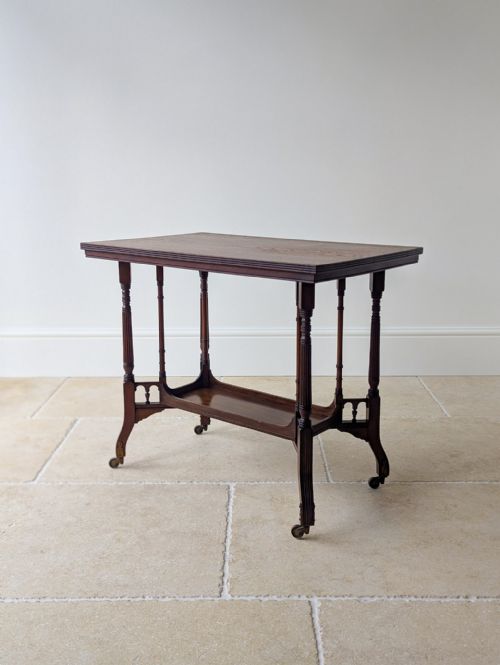
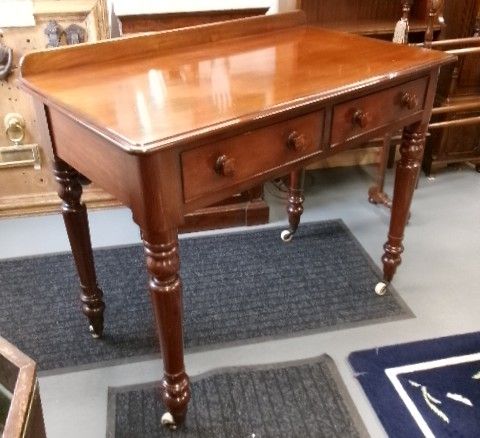
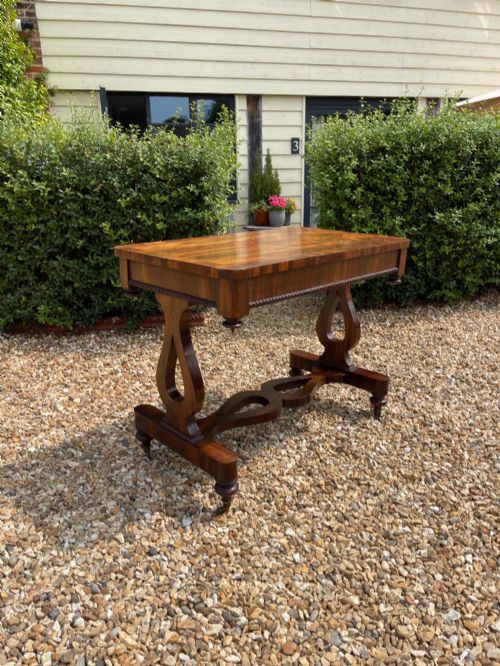
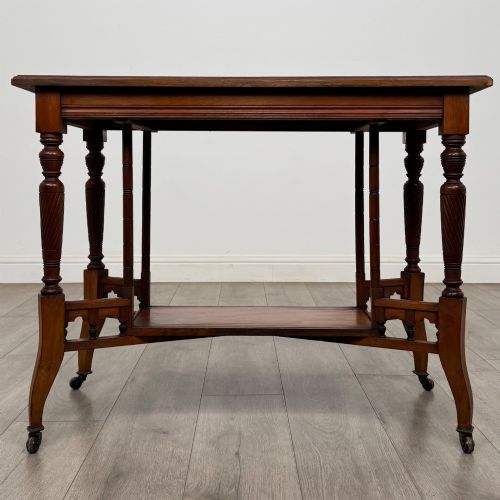
These pieces for a hall table on castors bring mobility and proportion to an entranceway, combining timber construction with functional wheel mounts.
Hall Table on Castors
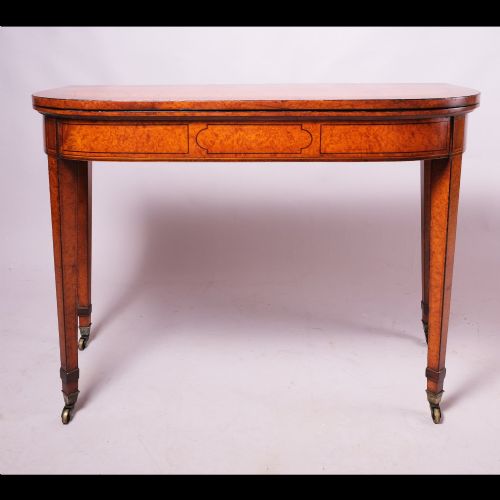
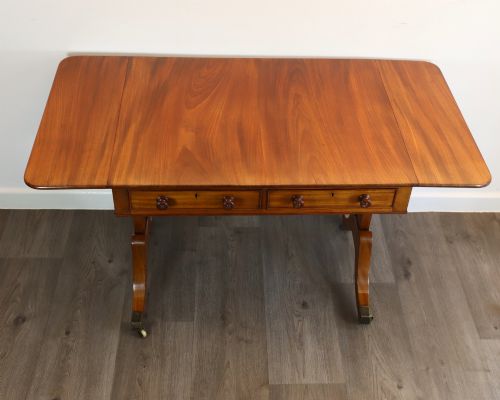
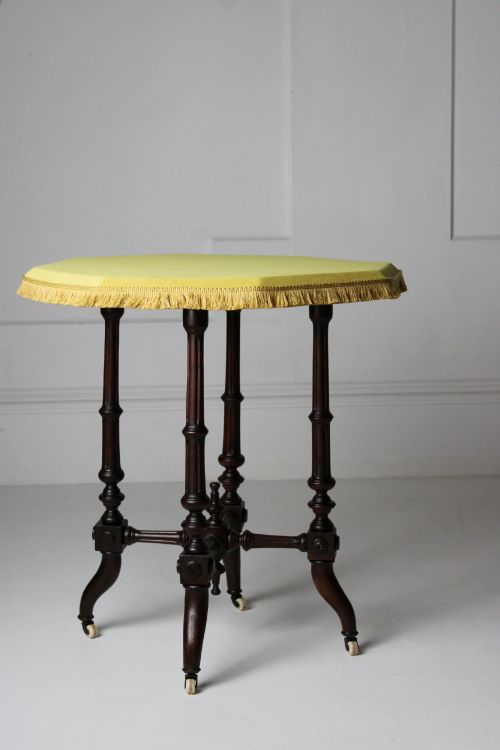
When you search for a hall table on castors, you encounter versatile furniture built primarily during the Georgian, Regency, and Victorian periods, along with Edwardian examples. These tables appear in forms such as side tables, sofa tables, occasional tables, and writing tables.
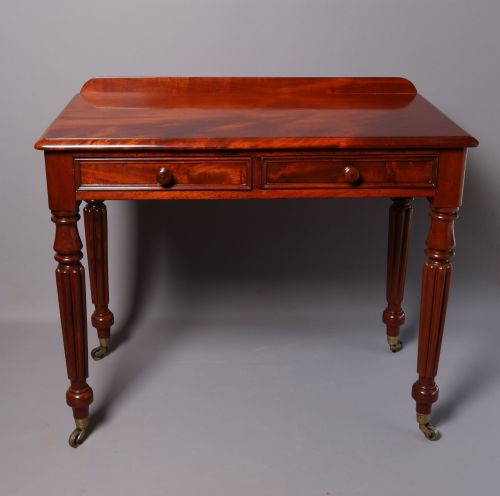
The version you most frequently meet on this page is constructed from mahogany, walnut, or pine, often featuring drawers and supported by small wheels that permit easy repositioning across floorboards.
Originating in English workshops and country houses, these pieces serve as practical surfaces in narrow spaces, combining the utility of a writing desk or console with the flexibility of mobile furniture.
Materials and Construction
Cabinet makers utilised dense hardwoods such as mahogany, rosewood, and satinwood, alongside utilitarian softwoods like pitch pine and stripped pine, applying fine veneers and inlaid details to display grain and colour.
Metal components, specifically brass castors, were fitted to the base of each leg to allow smooth movement, while mortise and tenon joinery secured the frame and drawer structures.
Listings feature woods spanning mahogany, satinwood, walnut, rosewood, and pine, alongside brass and ceramic components.
Craftsmanship and Proportion
Superior examples exhibit finely figured timber grains, intricate satinwood or mahogany inlay, and secondary woods chosen with equal care for drawer linings and internal framing.
The distinction between standard pieces and exceptional ones lies in the crispness of the carving, the integration of original brass hardware and castors, and the balanced proportions of the overall design.
Gillows·Gregory & Co·J A Mein·Andrew Thomson & Sons·W Williamson & Sons of Guildford
The Hall Table on Castors Glossary
- Castor
- A small wheel mounted on a swivel attached to the foot of a table leg to permit rolling movement. They are frequently cast in brass and occasionally feature ceramic wheels.
- Sofa Table
- A freestanding table with drop leaves on either side, originally designed to stand in front of a sofa. They typically include two small drawers.
- Side Table
- A small table placed against a wall, serving utility in hallways or living rooms. These pieces often feature one or more drawers beneath the top surface.
- Inlay
- A decorative technique where contrasting woods or materials are set into recesses flush with the surface of the primary timber. Satinwood and rosewood are common contrasting veneers.
Hall Table on Castors: Frequently Asked Questions
What periods do these tables span?
The pieces available range from the late eighteenth century through the Georgian, Regency, William IV, and Victorian eras into the Edwardian period.
This broad timeline encompasses diverse aesthetic movements, including Sheraton Revival and the Aesthetic Movement, reflecting changing domestic tastes across generations.
How were these mobile tables used originally?
They functioned as adaptable surfaces for writing, correspondence, and displaying decorative items in domestic interiors and country houses.
The addition of castors permitted staff or residents to shift the furniture easily for cleaning or reconfiguration of a room.
Are the castors on these tables original?
Many tables retain their original brass or ceramic castors, though replacements occur frequently due to wear over centuries of movement.
Examining the fixings and the wear patterns on the floor interface helps determine whether the wheels belong to the original period of manufacture.
What timbers appear most frequently?
Mahogany dominates the listings, appearing in figured, plain, and inlaid variations across multiple decades and styles.
Other prominent timbers include walnut, satinwood, rosewood, and pine, selected according to the maker's region and the intended formality of the piece.