
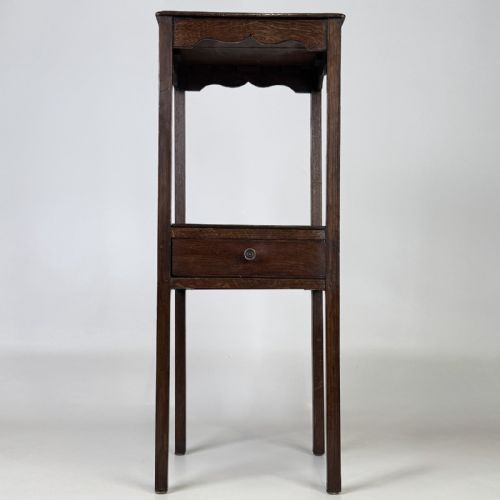
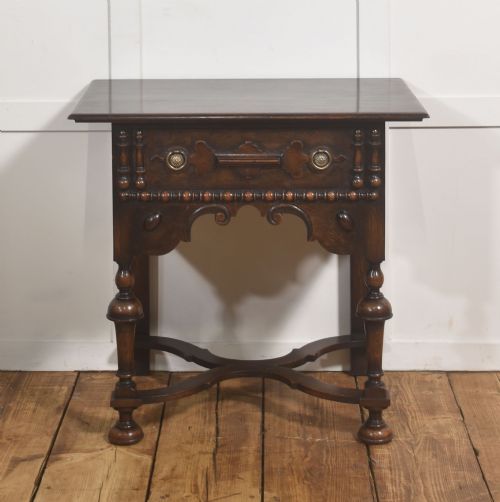
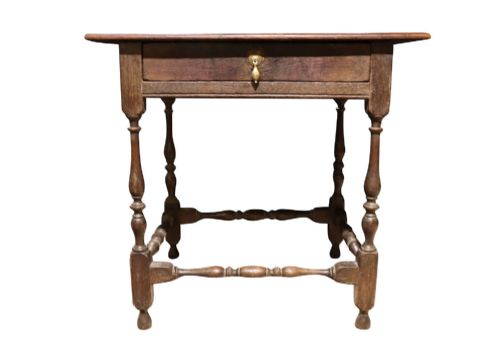
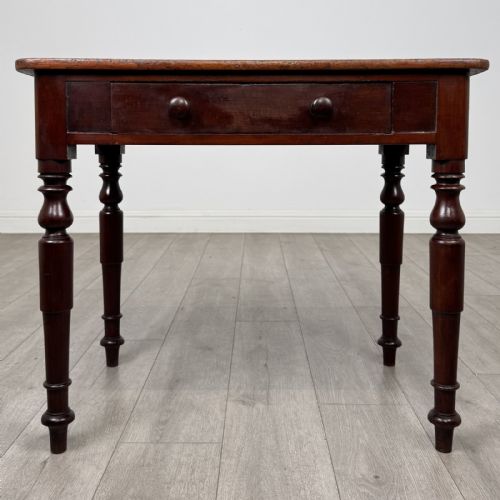
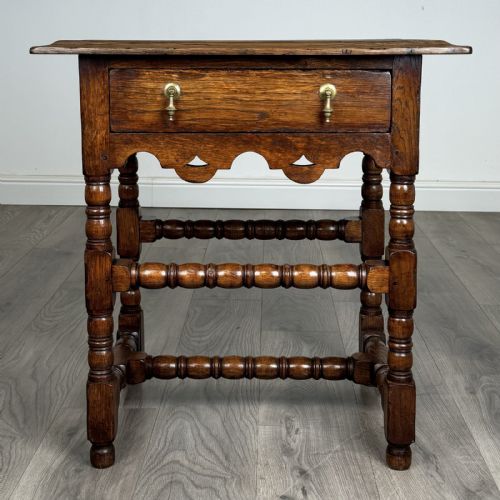
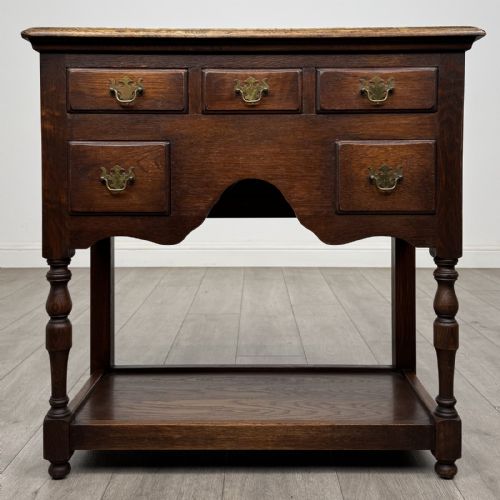
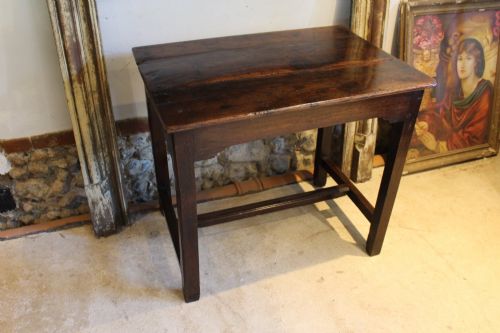
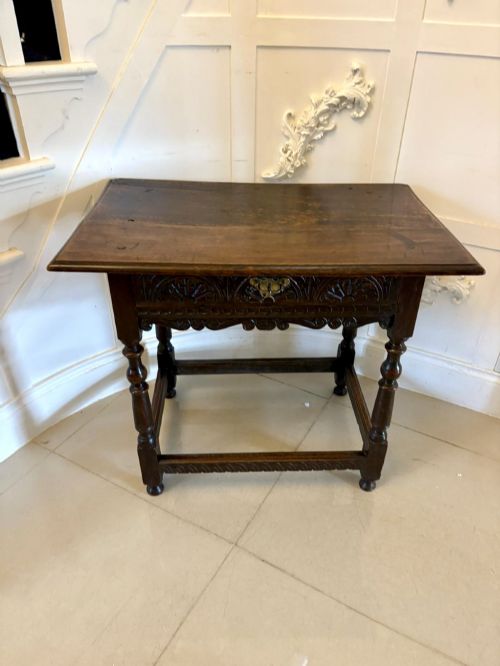

Hall Table Oak Wood
These hall table oak wood pieces offer practical surface space and traditional character, suiting narrow entranceways and period interiors.
Hall Table Oak Wood
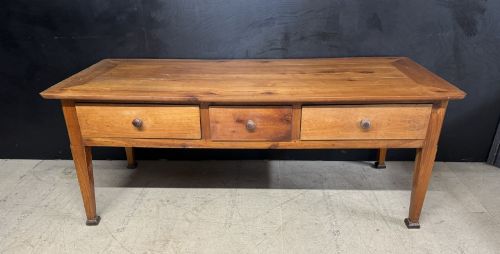
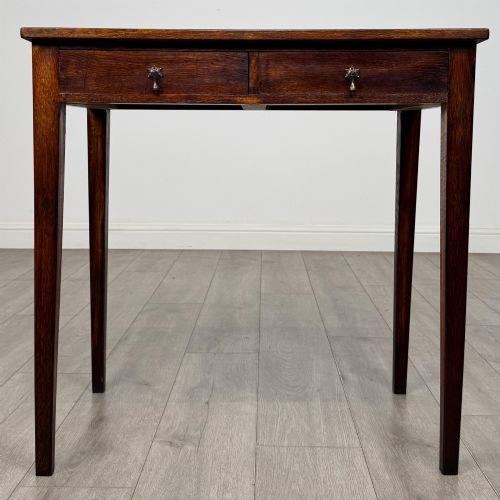
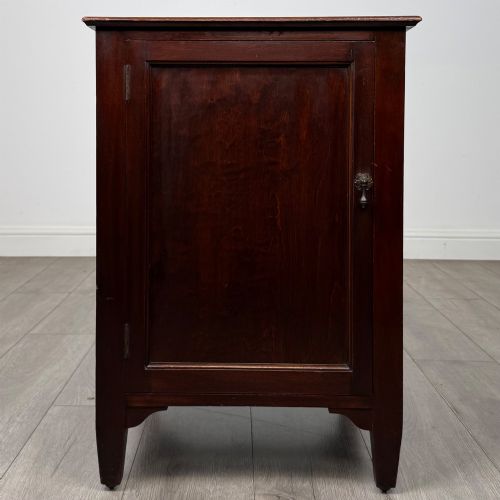
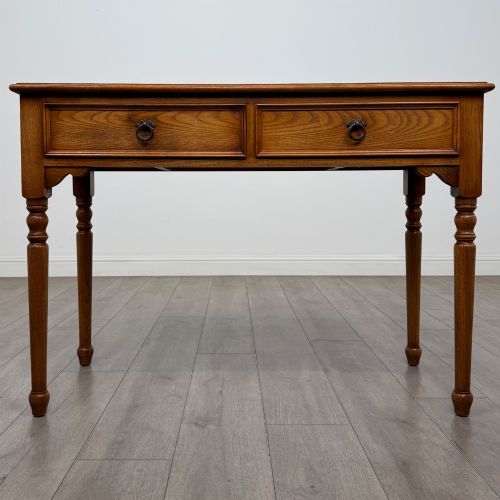
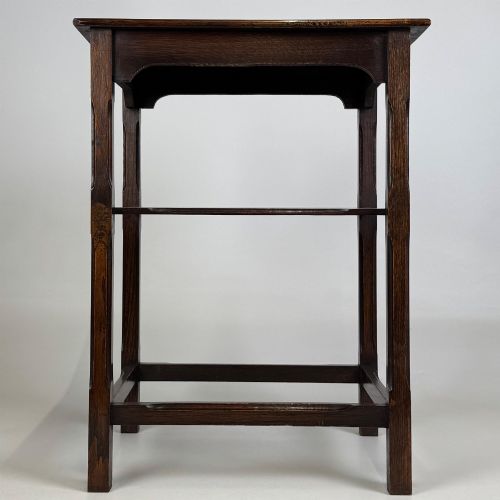
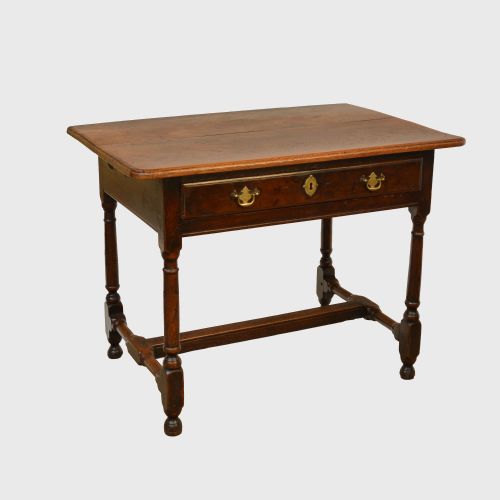
A hall table oak wood search reveals practical wooden furniture designed for entranceways, corridors and reception rooms. The pieces span centuries of British craftsmanship, adapting to changing domestic needs while retaining their fundamental utility.
Side tables and console tables dominate the selection, offering narrow profiles suited to restricted spaces. Alongside these, buyers find dresser bases, lowboys and occasional writing desks built from robust timber.
Originating from periods such as the Georgian era, Victorian period and Edwardian decades, these items reflect the prevailing design tastes of their respective times. Pieces range from unpretentious country furniture to carved revival styles.
What varies in quality
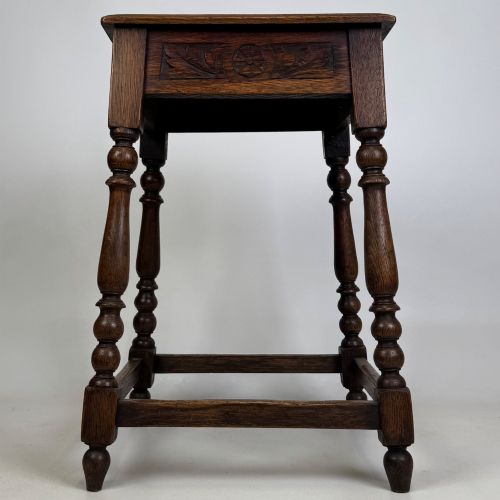
The refinement of the carving and turning separates standard utility items from more ambitious commissions. Crisp detailing on friezes and legs indicates skilled handwork by competent cabinetmakers.
Timber selection and grain figure influence the visual appeal of each surface. Uniformity of colour and careful matching of boards elevate the overall presentation.
Current listings feature solid oak alongside stained wood, mahogany and yew across multiple centuries.
Liberty of London·William Birch·Hubert Simpson
The Hall Table Oak Wood Glossary
- Lowboy
- A small oak table with drawers, typically used as a side table or dressing table in earlier periods. It sits on relatively tall legs.
- Dresser base
- A heavy wooden sideboard featuring drawers and sometimes a potboard shelf beneath. These items originated in farmhouse kitchens.
- Potboard
- An open lower shelf fitted between the legs of a dresser base. It historically held pots and pans.
- Bobbin-turned
- A style of leg or stretcher shaped with rounded wooden spools resembling bobbins. This technique is common in 17th-century furniture.
Hall Table Oak Wood: Frequently Asked Questions
Where should I place a hall table?
These narrow tables suit entrance halls, narrow corridors and landings where floor space is restricted. They provide a convenient surface for post and keys.
Matching the proportions of the table to the width of the hallway ensures comfortable movement through the space.
How do I care for antique oak?
Dusting with a dry, soft cloth maintains the finish without building up unwanted residues. Avoid placing wooden furniture in direct sunlight or near heat sources.
Applying a traditional beeswax polish occasionally helps nourish the timber and preserves the natural lustre of the grain.
What is the difference between a console and a side table?
Side tables typically stand independently on four legs, whereas console tables traditionally fastened against a wall for additional stability. Modern usage often treats the two terms interchangeably.
Both variants offer flat surfaces suited to displaying lamps, bowls or decorative objects in domestic settings.
How do I identify a Georgian oak table?
Georgian pieces often display restrained lines, quality timber selection and straightforward joinery without excessive ornamentation. Drawer construction frequently employs hand-cut dovetails.
Hardware such as brass handles and backplates, even if replaced later, gives clues to the original period of manufacture.