



Hall Stand Back
These hall stand back pieces offer the structural frameworks and panelled supports that anchor hallway furniture, providing practical hanging space and architectural presence.
Hall Stand Back
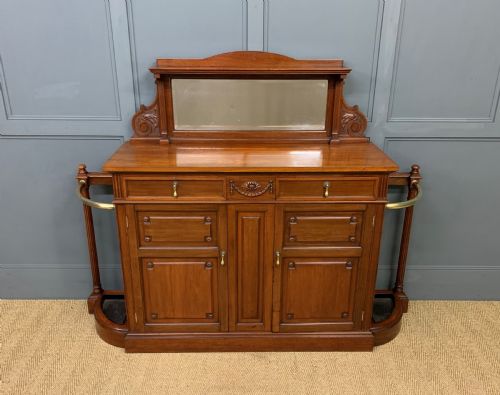
When you search for hall stand back pieces, you find structural wooden components, mirrors, and panelled frames originating primarily from Victorian and Edwardian periods. These elements form the vertical rear section of hallway furniture designed to support coat hooks, umbrella wells, and sometimes small ledges or consoles.
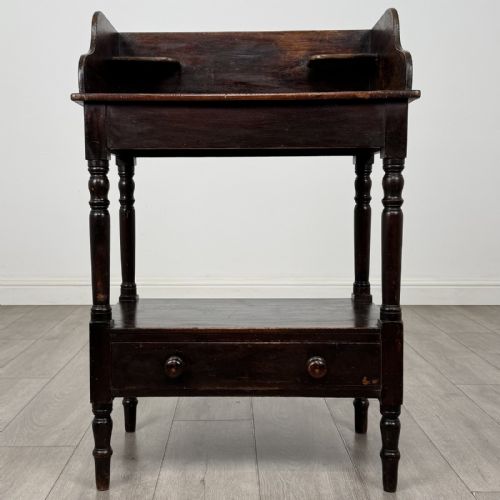
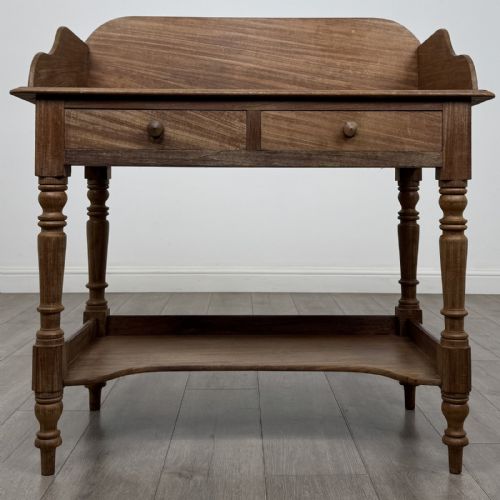
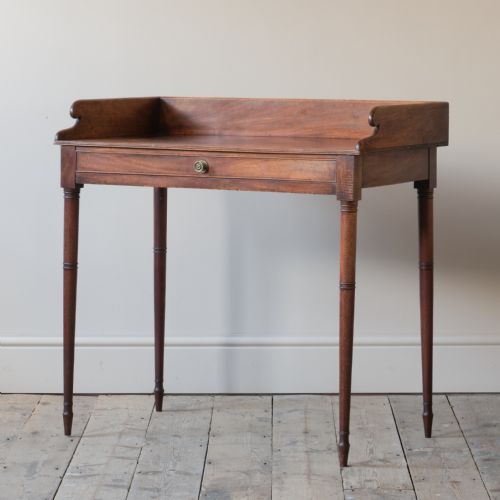
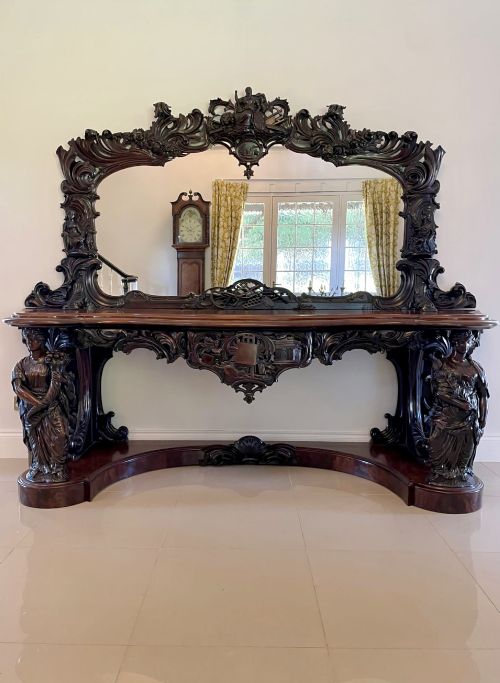
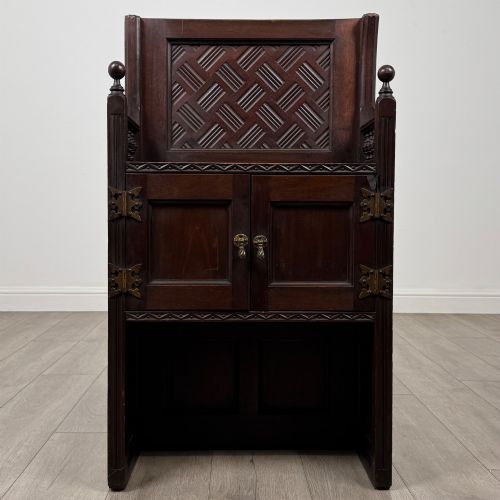
The pieces listed on this page run from the late nineteenth century through to the nineteen-twenties, appearing in forms such as mirrored console backs, washstand galleries, and hall cupboard sections. Mahogany, pine, walnut, and oak dominate these listings, reflecting the sturdy timbers utilised in period domestic interiors.
Buyers encounter styles ranging from plain Victorian country pieces to elaborate carved mahogany mirror backs and items influenced by the Aesthetic Movement. The selection demonstrates how hall furniture evolved from simple functional boards into integrated pieces combining storage, mirrors, and display.
Materials and construction methods
Makers utilised solid timbers such as mahogany, walnut, pine, and oak to construct these vertical frames, often incorporating bevelled glass mirrors and brass hooks. The woodwork relies on traditional joinery techniques to ensure the tall back sections remain rigid and capable of supporting heavy garments.
Surface treatments vary from polished wood finishes to painted faux marble tops and original grain finishes on pine. Subsidiary elements like ceramic tiles, marble inserts, and brass fixings were integrated into the wooden frameworks during assembly.
Hall Stand Back Retail Price Guide 2026
Typical asking prices for hall stand back among the pieces listed under this phrase on Sellingantiques today, from the lower quarter to the upper quarter. They describe what is for sale here now, not the wider market.
Some pine pieces feature painted faux marble tops designed to mimic luxury stone on a modest budget.
Distinctions in quality and execution
The distinction between standard domestic items and high-end pieces lies in the choice of timber and the ambition of the carver. Exhibition quality works display intricate relief carving and superior mirror glass, whereas utilitarian pieces rely on simpler panel construction and painted pine.
Design sophistication also separates the range, with workshop pieces showing deliberate stylistic references, such as the manner of Christopher Dresser, compared to generic regional furniture. The integrity of the original wood grain, the weight of the brassware, and the preservation of secondary elements like tiles determine the overall standard.
Shoolbred & Co.
The Hall Stand Back Glossary
- Gallery
- A raised wooden edge or rail positioned at the back or sides of a piece to prevent items from sliding off. These range from simple three-quarter wooden upstands to elaborate tile panels.
- Aesthetic Movement
- A late nineteenth-century design style emphasising visual beauty and artistic reform over heavy historicism. It often featured clean lines and simplified forms.
- Biedermeier
- A central European style spanning the early to mid nineteenth century characterised by utilitarian comfort and clean, minimal ornamentation. It prioritised the natural grain of veneers.
- Console Table
- A table designed to be fixed against a wall, frequently accompanied by a matching mirror or back frame. These pieces stood in entrance halls and reception rooms.
- Settle
- A wooden bench featuring a high back designed to block draughts, often incorporating storage beneath the seat. Period examples frequently utilise pine or oak.
Hall Stand Back: Frequently Asked Questions
What is a hall stand back?
A hall stand back is the vertical wooden framework of a hallway furnishing that typically holds mirrors, coat hooks, and umbrella storage. These components were built to anchor against hallway walls.
They combine structural support with decorative panels, often using timbers like mahogany, walnut, and pine.
How do I identify Victorian pieces?
Victorian pieces are identified by dense hardwoods, rich patination, and specific stylistic revivals such as Gothic or Rococo influences. The construction relies on traditional joinery methods standard to the nineteenth century.
Makers of this era frequently utilised mahogany, walnut, and heavy brass hardware on hall furniture.
What timber was used most often?
Pine, mahogany, and walnut appear frequently across these listings, alongside occasional use of oak. Pine served for painted or simpler country pieces, while mahogany and walnut suited formal reception spaces.
Cabinetmakers matched the timber choice to the intended room and the social status of the household.
How were these items used originally?
People placed them in entrance halls to manage outdoor garments, hats, and walking equipment as visitors entered the home. Mirrors allowed a final check of attire before stepping outside.
They served as the primary greeting point in period domestic architecture.