



Hall Mirror and Table
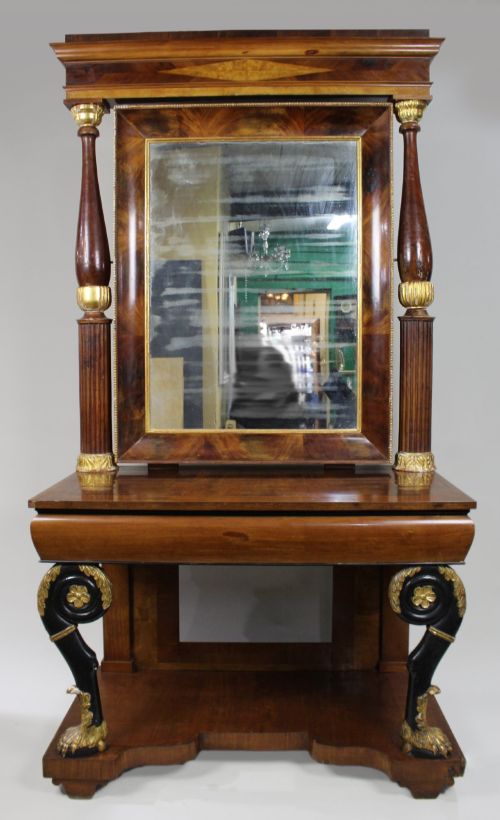
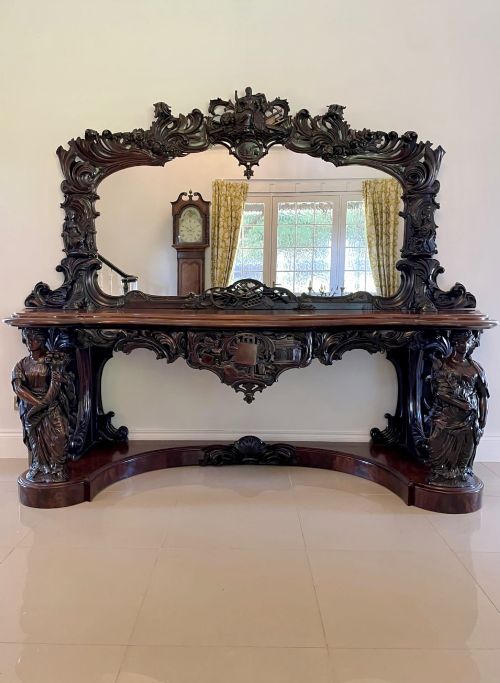
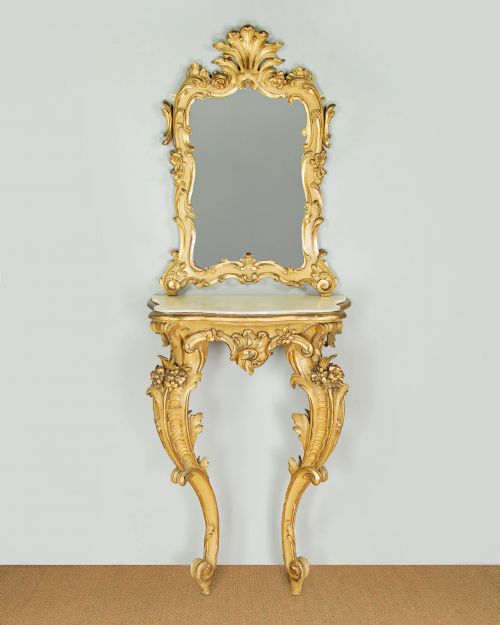
These combined hall mirror and table sets bring grand focal points to entranceways, offering both a surface for letters and a glass for checking attire before stepping outside.
Hall Mirror and Table
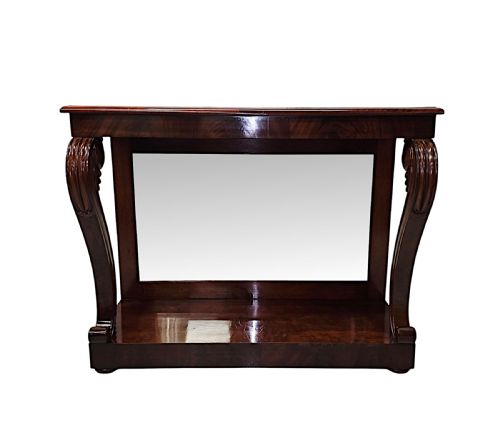
When you search for hall mirror and table combinations, you encounter pieces designed to anchor large entrance halls and reception spaces. The selection ranges from substantial Victorian carved mahogany mirror back console tables to matched console tables and pier mirrors from the nineteenth century.
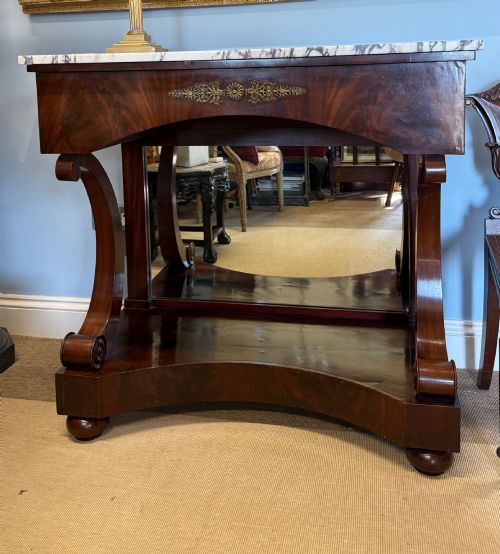
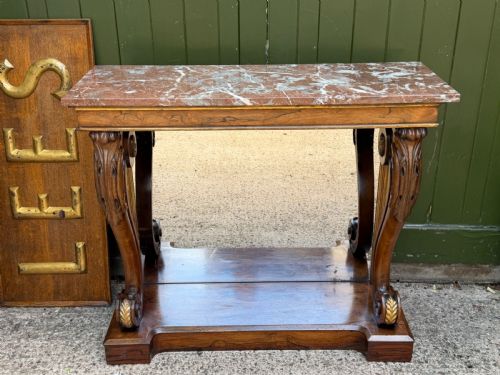
You will frequently meet console tables paired with matching wall mirrors, often featuring figured marble tops and giltwood frames. The forms span periods from the Regency era through to the early twentieth century, incorporating French styles and Biedermeier designs alongside English cabinet-making traditions.
What varies in quality
The distinction between ordinary pieces and the finest examples lies in the depth and crispness of the hand-carving upon the wood or giltwood frames. Superior specimens display well-figured timber selections, such as flame mahogany or maserbirch, matched seamlessly across the table surface and drawer fronts.
Construction methods determine longevity, seen in the thickness of the original mirror glass, the integration of the console to the wall or mirror back, and the weight of the genuine marble slab. Cohesion between the table and its matching mirror indicates whether a set was conceived together in the workshop.
Listings feature items spanning the nineteenth century, Regency period, and early twentieth century, constructed from mahogany, rosewood, oak, and marble.
Gillingtons of Dublin·Ellen E. Houghton of Minton
The Hall Mirror and Table Glossary
- Console table
- A table designed to stand against a wall, traditionally supported by two legs or brackets at the front. They frequently feature elaborate carved bases and marble tops suited to formal reception spaces.
- Pier mirror
- A tall mirror designed to hang on the pier of wall between windows, or placed directly above a console table. They often incorporate decorative crestings and gilded frames.
- Parcel-gilt
- A decorative technique where specific carved details or mouldings are highlighted with gold leaf while the surrounding wood grain remains visible. This contrasts the warm tones of mahogany or rosewood with metallic gleams.
- Gesso
- A plaster-like mixture applied to wood frames as a base for gilding. Skilled artisans carve and smooth the gesso before laying gold leaf.
- Marble top
- A polished stone slab fitted into the rebate of a table frame. These surfaces offered practical resilience against moisture from visiting hats and walking sticks.
Hall Mirror and Table: Frequently Asked Questions
How do I place a hall mirror and table?
Position the furniture against a primary wall in your entrance hall where natural light from a doorway or window strikes the glass. This placement maximises the reflective property of the mirror, brightening narrow corridors and welcoming visitors.
Ensure there is sufficient clearance around the table base for movement, keeping the surface clear for everyday items like keys and correspondence while letting the timber and stone textures stand alone.
Are mirror back consoles one piece?
Many nineteenth-century console tables integrate the mirror directly into the rear wooden structure, creating a single heavy item that requires secure attachment to the wall for stability. Other examples consist of a separate console table paired with an independent matching wall mirror.
Examining the joinery where the mirror frame meets the table back reveals whether the ensemble was constructed as an integrated unit or brought together as a matched set.
How do I clean marble table tops?
Maintain the polished stone surface by wiping it gently with a soft damp cloth, avoiding acidic cleaners or abrasive substances that etch the mineral surface. Regular dusting preserves the natural grain and sheen of the stone.
Heavier marks require specialist neutral stone soaps, ensuring the liquid does not seep into unsealed edges or underlying wooden framing.
Can I use these in modern rooms?
These pieces provide a striking contrast in contemporary interiors, grounding minimalist hallways with nineteenth-century craftsmanship and reflective depth. The combination of dark timber and marble brings tactile warmth to plain plaster walls.
Scale is the primary consideration; measure your ceiling height and hallway width carefully to ensure the proportional balance between table depth and mirror height suits your space.