

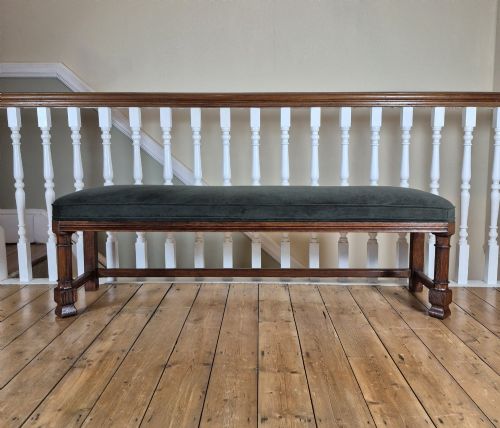
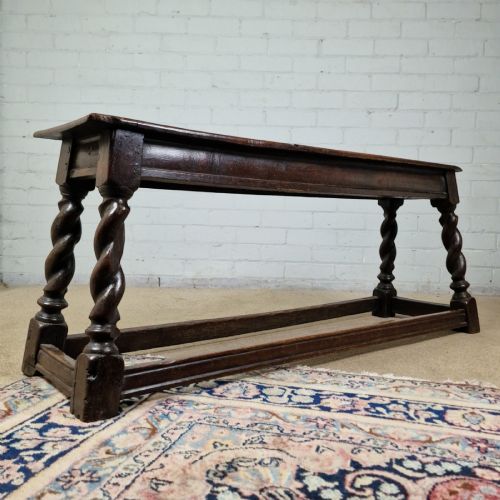
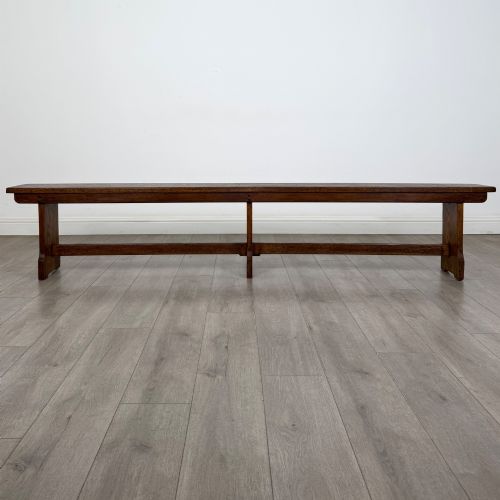
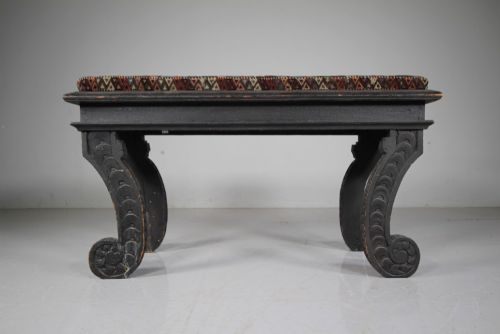
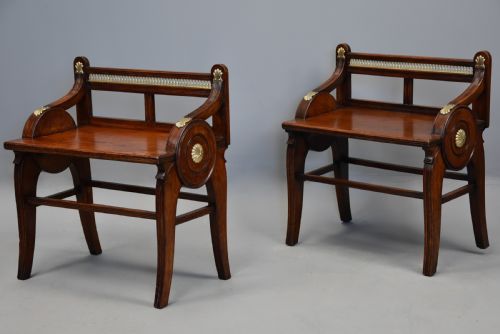
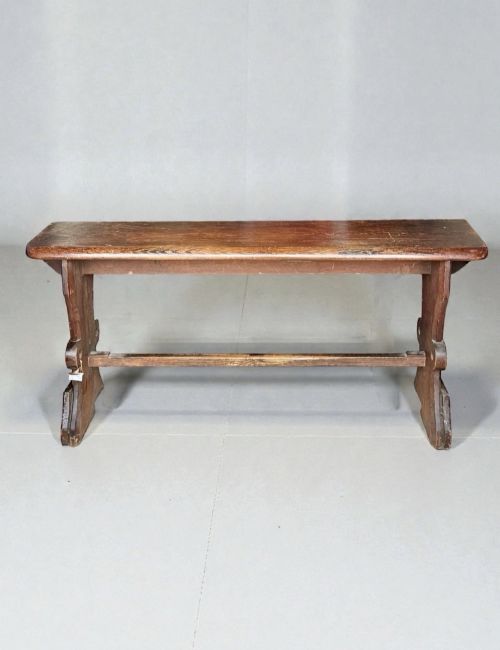


Hall Bench Stool
A hall bench stool offers a practical perch for an entrance or hallway, combining the utility of a seat with compact proportions.
Hall Bench Stool
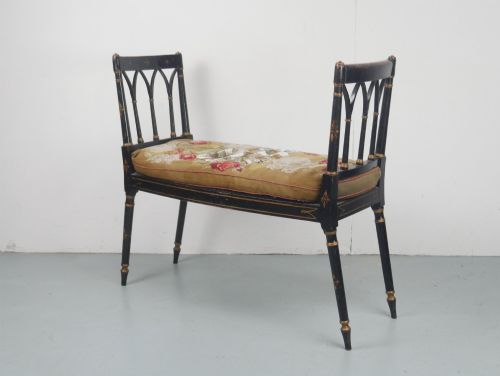
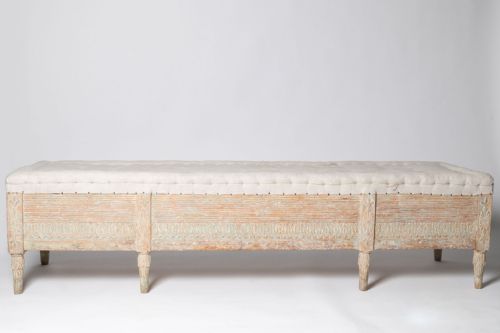
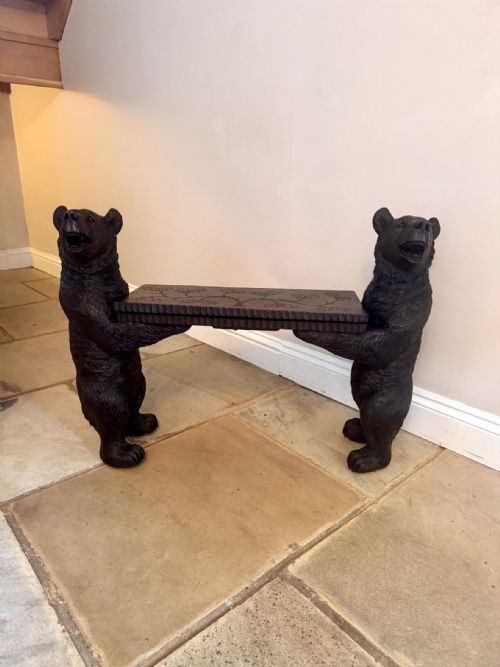
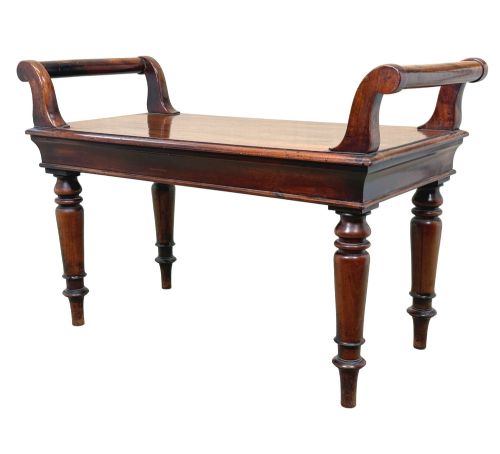
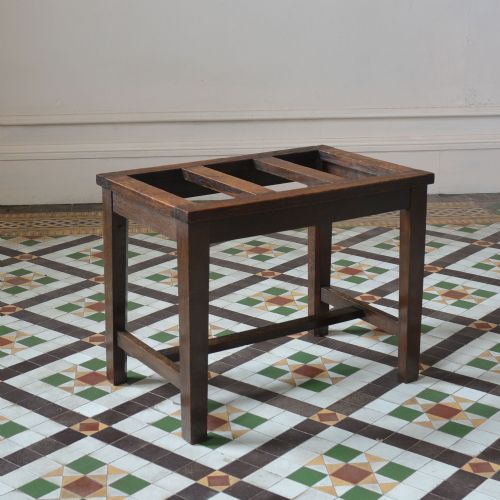
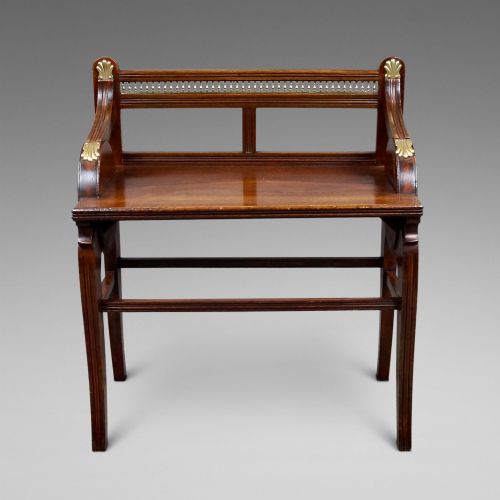
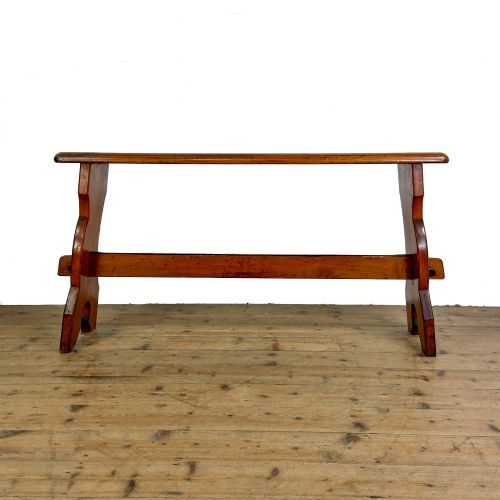
A hall bench stool serves as a practical seat in entryways, combining the form of a bench with the compact footprint of a stool. Buyers searching for a hall bench stool will encounter various seating configurations, including window seats, luggage racks, and long benches.
The selections span multiple periods, most frequently appearing in 19th Century, Victorian, and Edwardian iterations. Common variations include pieces designed in the Regency, Gothic Revival, and Aesthetic Movement styles.
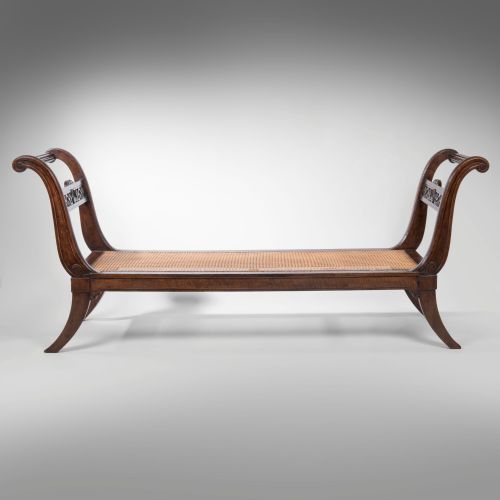
Makers utilised timber frames paired with diverse seating surfaces, ranging from solid wood to upholstered fabric, leather, cane, and painted finishes.
What varies in quality
The selection of timber dictates much of the foundational quality, with dense hardwoods like mahogany and oak offering greater longevity than softer pine alternatives. Figured woods like burr elm and walnut introduce distinct visual grain patterns that elevate a piece.
Construction techniques distinguish standard items from exceptional examples, seen in hand-carved details, sturdy joinery, and precise turning on legs. Maker attribution, such as pieces associated with James Shoolbred & Co., often indicates higher standards of workshop production.
The integration of secondary materials like brass mounts, leather upholstery, and cane work affects the overall finish and structural complexity of the seat.
Hall Bench Stool Retail Price Guide 2026
Typical asking prices for hall bench stool among the pieces listed under this phrase on Sellingantiques today, from the lower quarter to the upper quarter. They describe what is for sale here now, not the wider market.
The selection includes specialised forms such as organ benches, luggage racks, and window seats spanning Regency, Victorian, and Edwardian periods.
James Shoolbred & Co
The Hall Bench Stool Glossary
- Window Seat
- A long, narrow bench designed specifically to fit within the recess of a bay or window frame. These typically feature low backs or open sides to maintain exterior views.
- Luggage Rack
- A low stool or bench, often fitted with wooden slats or a supportive top surface, traditionally utilised in guest rooms for holding trunks or travel bags.
- Ebonised
- Wood treated with a chemical or stain to achieve a deep black finish that mimics ebony. This technique was popular in Victorian and Aesthetic Movement furniture.
- Gothic Revival
- An architectural and design style drawing inspiration from medieval ecclesiastical forms, characterised by pointed arches, heavy oak construction, and quatrefoil motifs.
- Cane
- Woven rattan or split reed material used to create breathable, patterned seats and panels. It appears frequently in period seating to lighten the visual weight of the frame.
Hall Bench Stool: Frequently Asked Questions
Where should a hall bench stool go?
A hall bench stool fits well in narrow entryways, corridors, or at the foot of a bed. Its compact proportions provide a convenient surface for sitting while removing shoes without blocking foot traffic.
In larger spaces, these pieces can sit beneath a window or against a prominent wall, functioning as both a decorative accent and a functional seat.
How do I care for upholstered fabric seats?
Upholstered surfaces require regular gentle dusting and occasional vacuuming with a soft brush attachment to remove trapped particles. Direct sunlight should be avoided to prevent fading on delicate textiles like linen or leather.
If the fabric needs deeper cleaning, consult a professional textile restorer who understands antique frame preservation.
What is the difference between a bench and a window seat?
A bench generally refers to a standalone wooden or upholstered seat designed for general placement in hallways, rooms, or public spaces. Their forms range from simple church pews to decorative carved furniture.
A window seat is typically long and narrow, specifically proportioned to sit within the shallow depth of a window alcove, often featuring decorative ends or tailored upholstery.
How do I identify Gothic Revival pieces?
Gothic Revival items feature architectural motifs borrowed from medieval churches, such as pointed arches, carved tracery, and heavy oak frames. These pieces often display robust construction with dark finishes and ecclesiastical detailing.
Craftsmen working in this manner during the 19th century drew inspiration from medieval stone and wood carving traditions.