


Gustavian Style Painting
Gustavian style painting brings light and restrained neoclassical balance into rooms through pale painted wood furniture and oil interiors.
Gustavian Style Painting
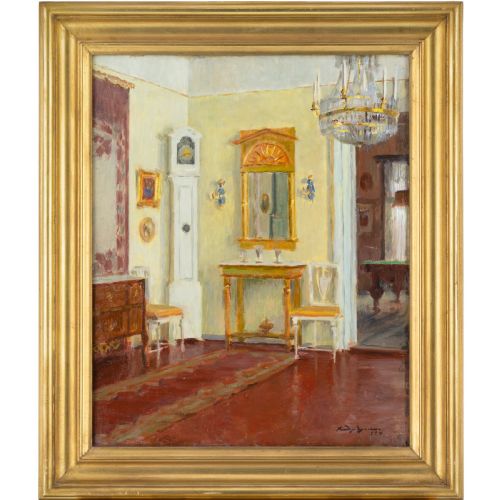
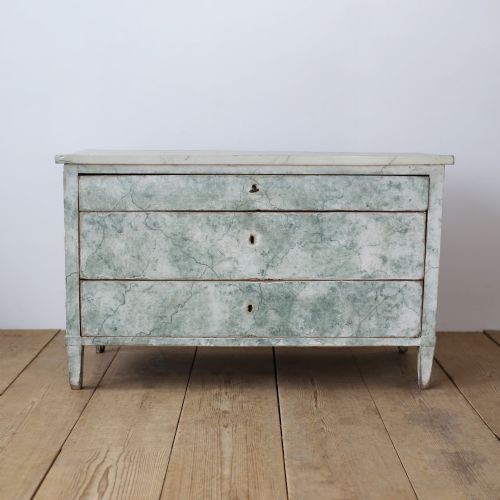
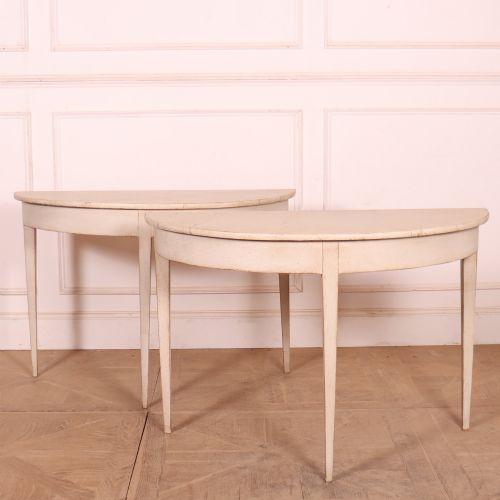
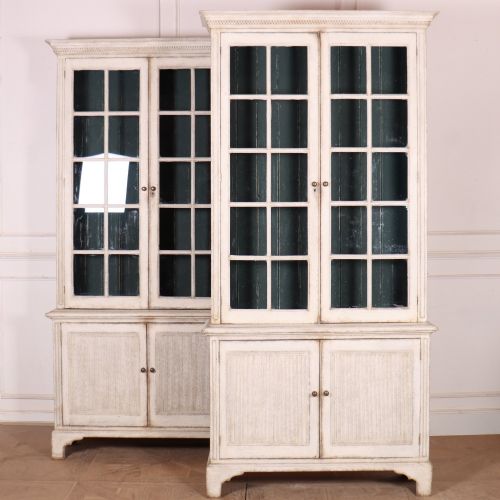
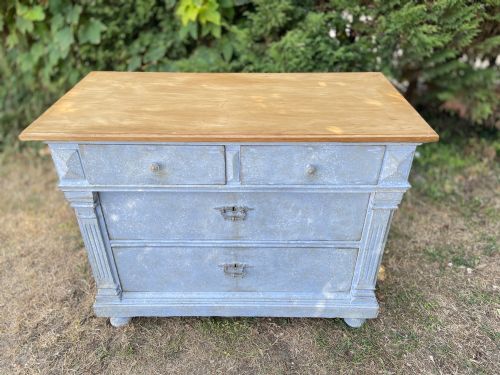
Gustavian style painting encompasses 18th century and 19th century Scandinavian furniture and oil paintings designed to brighten northern interiors. Buyers seeking this aesthetic encounter pale painted chests of drawers, commodes, console tables, and bookcases.
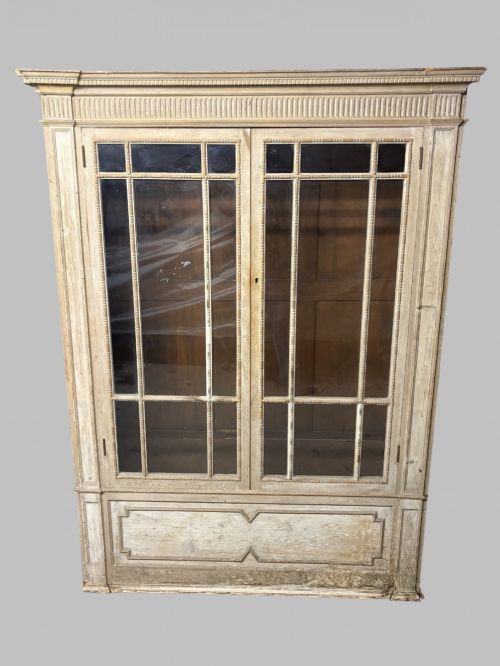
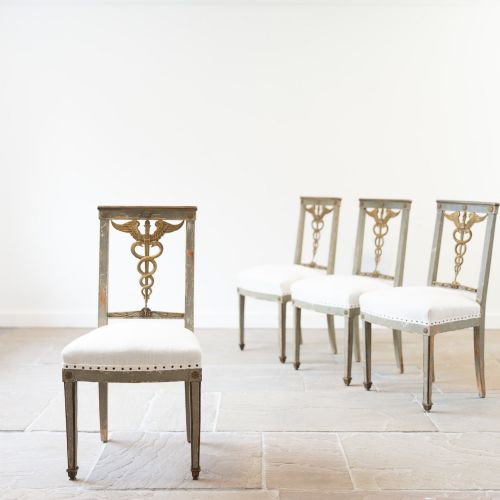
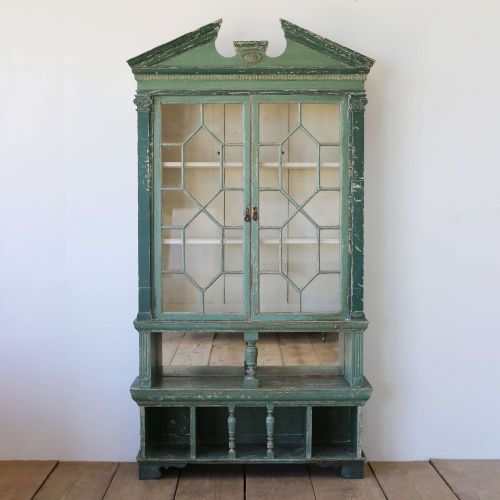
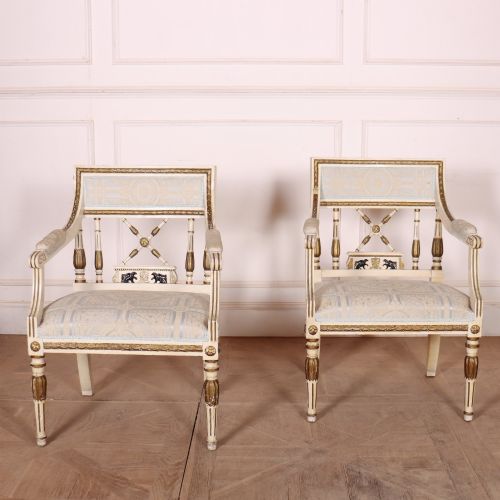
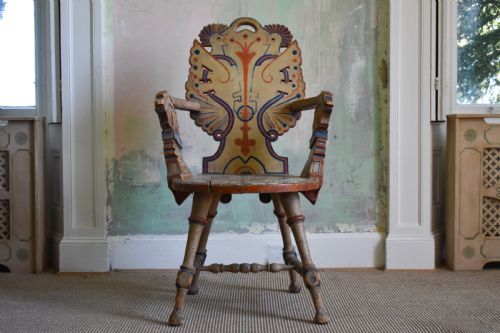
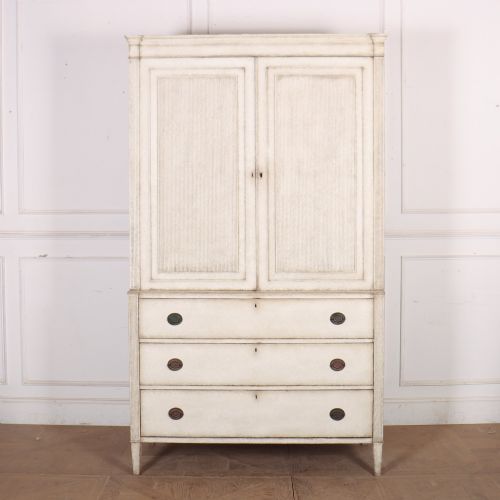
The objects frequently take the form of Swedish commodes with serpentine fronts, painted pine cupboards, and dining chairs reflecting Louis XVI neoclassical influence. Pieces range from straightforward folk art armchairs to refined glazed pine cupboards.
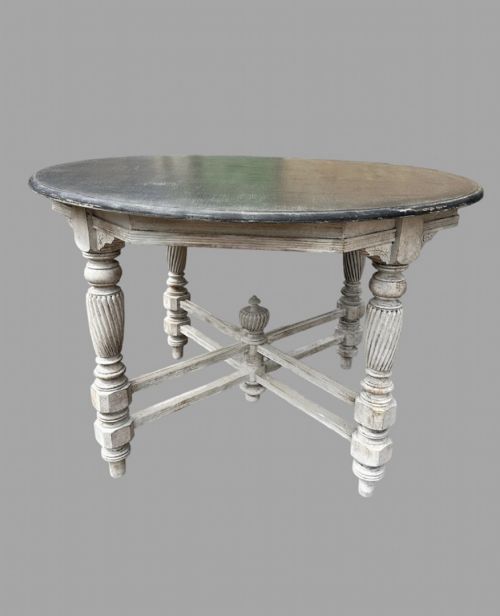
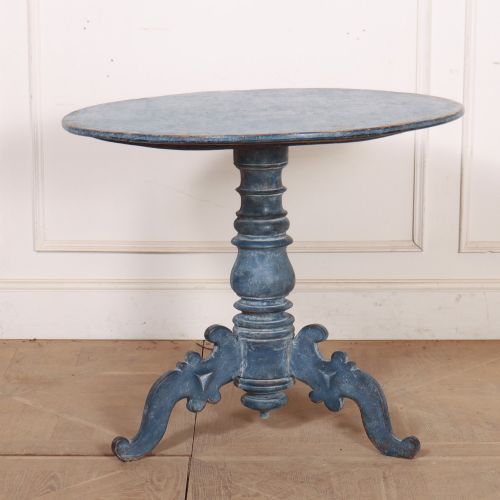
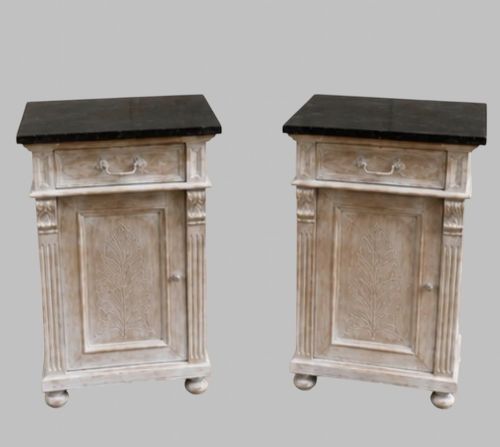
The selection on this page centres on painted wood furnishings from the 18th century, 19th century, and early 20th century. Forms include drop-leaf gateleg dining tables, bedside cabinets, and oil paintings of Scandinavian interiors.
Materials and construction
Pine and general timber form the foundational structure for these painted pieces, shaped into chests, commodes, and cupboards. Iron and brass appear as functional hardware on doors and drawers.
Surfaces receive layered paint finishes designed to reflect available light, often applied over pine and other wood substrates. Oil paint is utilised for canvas works depicting Scandinavian interior scenes.
Gustavian Style Painting Retail Price Guide 2026
Typical asking prices for gustavian style painting among the pieces listed under this phrase on Sellingantiques today, from the lower quarter to the upper quarter. They describe what is for sale here now, not the wider market.
Listings feature pine and painted wood items spanning from the eighteenth century to the Edwardian era, alongside oil paintings.
Assessing quality and finish
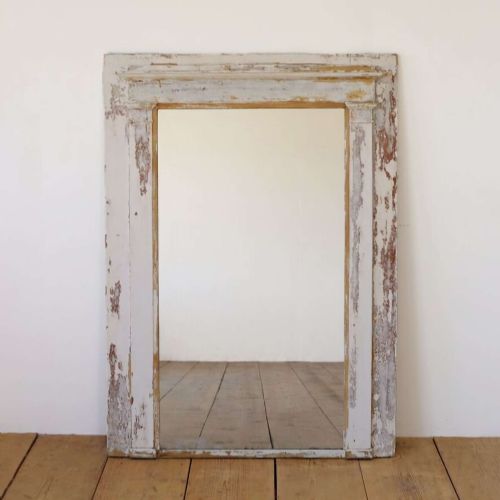
Quality rests in the integrity of the original paint surface and the subtlety of the neoclassical carved details. Superior examples retain their early or original layered paint rather than later heavy overpainting.
Proportion and execution of form distinguish finer commodes and bookcases from simpler regional pieces. Well-executed fluted drawer fronts and serpentine lines indicate skilled cabinetmaking.
Konstantin Dydyshko
The Gustavian Style Painting Glossary
- Commode
- A low chest of drawers or cabinet, often featuring serpentine fronts and decorative painted finishes. These pieces served practical storage roles in grand and modest homes alike.
- Neoclassical
- A style drawing inspiration from classical antiquity, marked by restrained symmetry, fluting, and straight lines. It forms the backbone of Gustavian design.
- Slagbord
- A traditional Scandinavian drop-leaf dining table with hinged flaps supported by swing legs. These tables offer versatile surface space.
- Pine
- A soft timber extensively used across Scandinavian furniture making for its workability and readiness to hold paint finishes. It forms the core material of regional cupboards and chests.
Gustavian Style Painting: Frequently Asked Questions
What is Gustavian furniture?
Gustavian furniture is the Swedish interpretation of French neoclassical design, commissioned by King Gustav III during the late eighteenth century. It translates heavy European court styles into lighter, brighter furniture suited for northern homes.
Items typically feature pale painted finishes, fluted columns, and restrained carvings. The aesthetic prioritises symmetry and reflective surfaces to maximise natural light during dark winters.
How do I identify original paint?
Original painted surfaces show natural wear, softening around edges, and subtle crazing or crackle built up over generations of cleaning and use. The paint layers often reveal underlying wood tones in areas of friction.
Modern repainting tends to appear uniform and flat across the entire piece. Examining the recesses of mouldings helps reveal earlier colour layers beneath the top coat.
Where were these pieces made?
The majority of these items originate from Sweden and broader Scandinavian regions, including Denmark. Provincial workshops and city cabinetmakers alike adopted the neoclassical vocabulary introduced from France.
Local timber such as pine served as the primary material for regional pieces. Makers adapted high-style continental forms into practical furniture for Nordic domestic interiors.
How do I care for painted wood?
Painted wood requires stable indoor humidity levels and protection from direct sunlight to prevent timber movement and paint flaking. Dusting with a dry, soft cloth is sufficient for routine maintenance.
Avoid chemical cleaning agents or abrasive polishes that can degrade historic paint layers. Wax is rarely needed on painted surfaces unless bare timber is exposed.