



Grey Wooden Tables
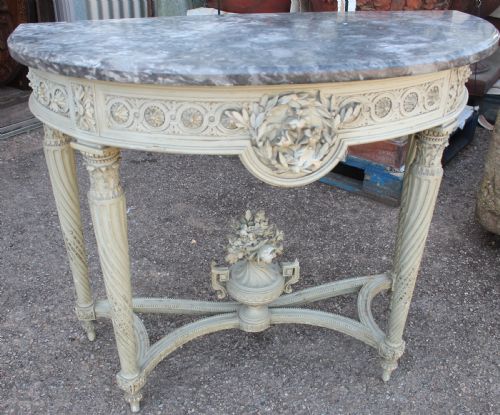
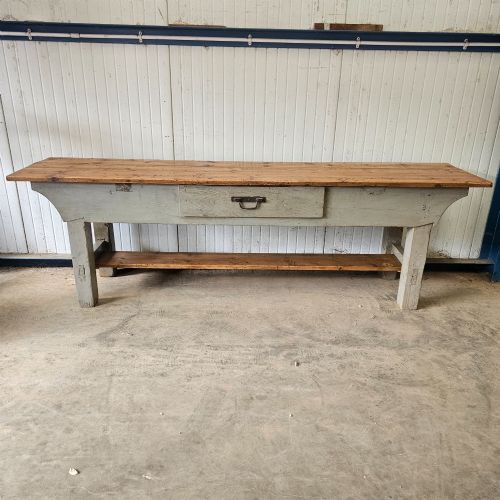
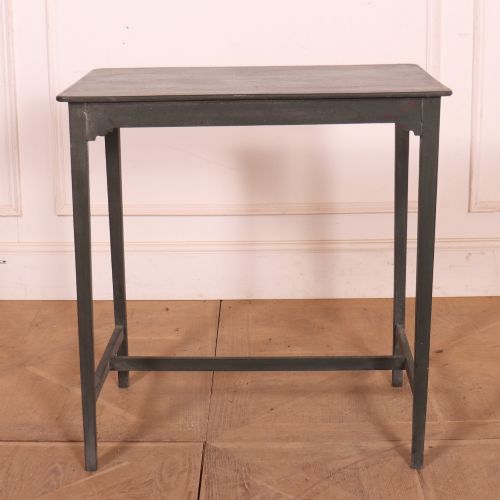
Grey wooden tables bring muted, versatile character to a room, spanning rustic pine worktables and formal marble-topped console tables.
Grey Wooden Tables
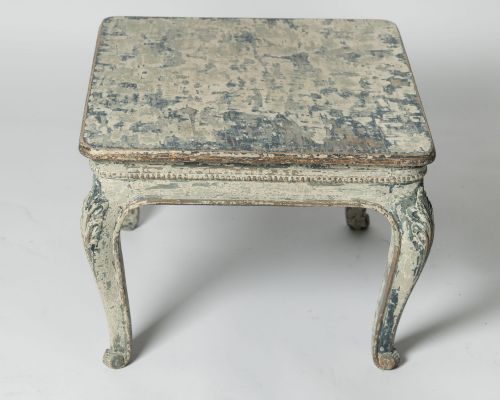
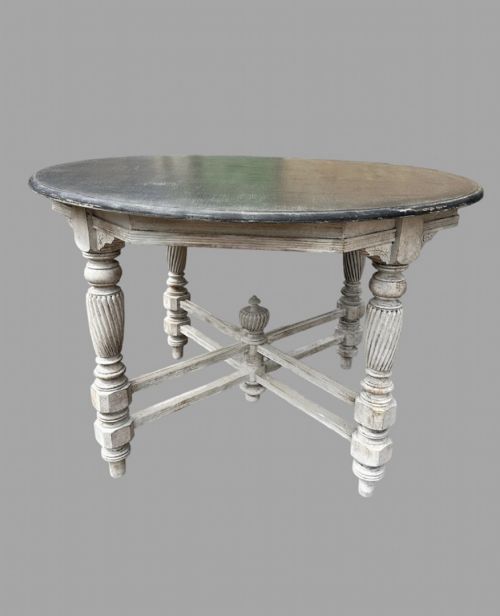
Grey wooden tables encompass a diverse array of forms, from compact bedside tables and lamp tables to expansive dining and refectory tables. You will frequently encounter painted pine surfaces alongside occasional walnut and oak pieces.
The selection spans centuries of craftsmanship, drawing on periods from the eighteenth century through to the Edwardian era. Regional variations emerge clearly, with English country pieces and French provincial styles appearing alongside Scandinavian designs.
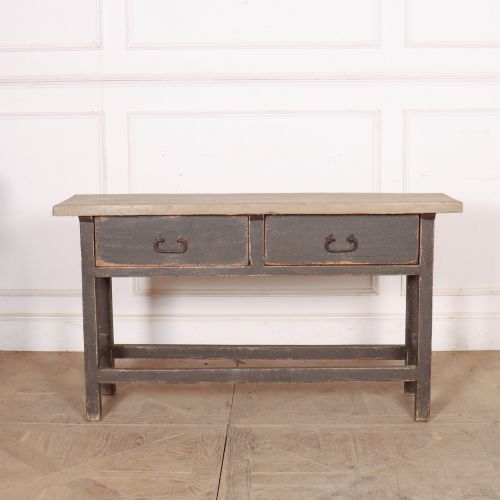
Practical utility defines many of these items, featuring dresser bases, worktables, and servers designed for daily domestic use. Side tables and console tables offer simpler decorative functions within hallways and reception rooms.
Materials and construction
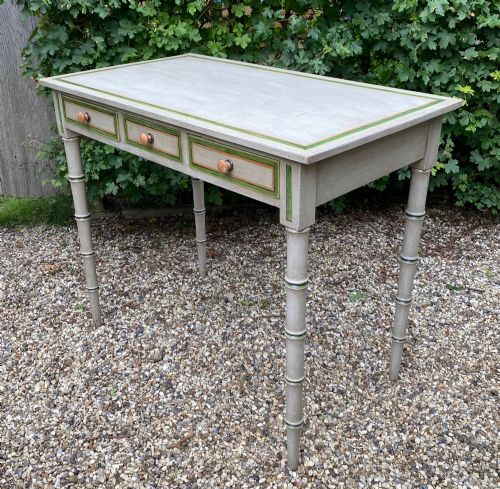
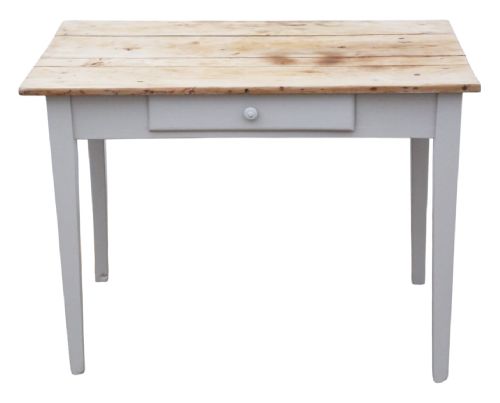
Makers relied primarily on solid timber frames, utilising pine, oak, and walnut to build robust carcases and tabletops. Scrub-top kitchen tables and worktables expose the natural grain of the wood, whilst other pieces receive layers of paint.
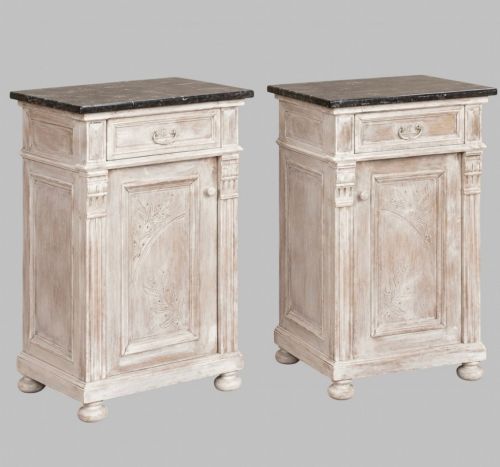
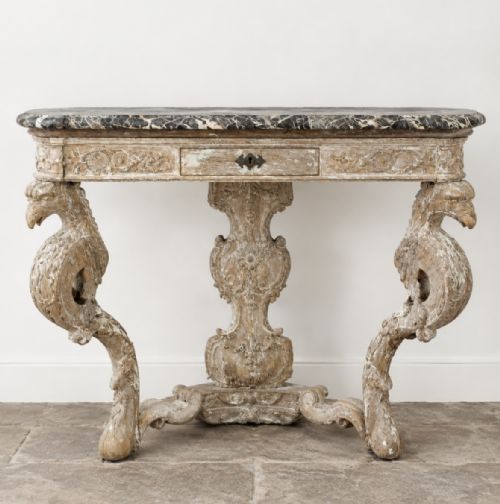
Surface ornamentation incorporates contrasting materials, notably inset marble tops of Derbyshire fossil or white varieties. Brass fittings and carved wooden details occasionally accent console tables and mirrors.
Grey Wooden Tables Retail Price Guide 2026
Typical asking prices for grey wooden tables among the pieces listed under this phrase on Sellingantiques today, from the lower quarter to the upper quarter. They describe what is for sale here now, not the wider market.
Form variations range from humble cricket tables and worktables to grand refectory dining tables and French drapers consoles.
Distinctions in quality
Quality rests upon the integrity of the timber framing and the preservation of original painted surfaces. Finer examples retain patinated layers of historic paint that show authentic age rather than modern intervention.
Structural refinement separates standard utilitarian benches from sophisticated pieces like Aesthetic Movement tables or Louis-style console tables. The inclusion of specialised elements, such as original marble inserts or integrated potboards, elevates a piece.
The Grey Wooden Tables Glossary
- Console table
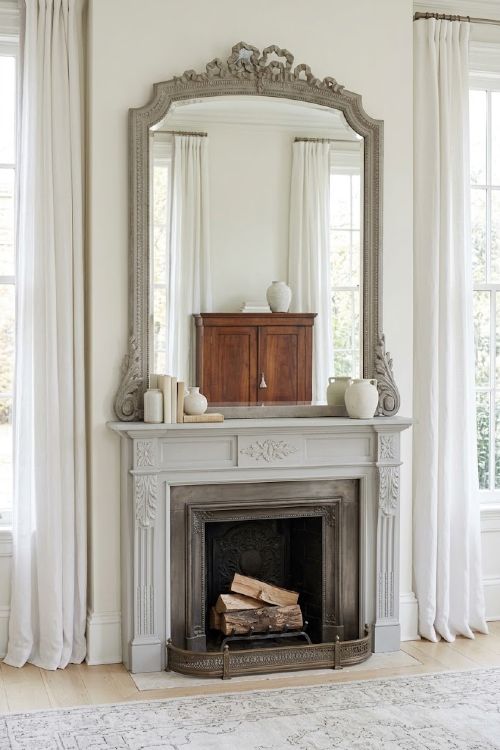
- A table designed to stand against a wall, frequently featuring decorative legs and occasionally paired with a matching mirror.
- Potboard dresser base
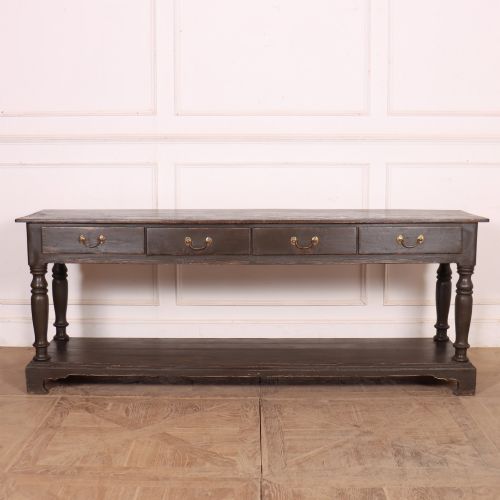
- A sturdy lower sideboard featuring an open lower shelf traditionally used for storing pottery and kitchen utensils.
- Scrub-top
- A plain timber tabletop designed to be scrubbed clean with water and sand during daily kitchen food preparation.
- Derbyshire fossil marble
- A dark British limestone containing fossilised crinoids, utilised for ornamental tabletops during the nineteenth century.
- Refectory table
- An exceptionally long dining table traditionally utilised in communal dining halls and large country kitchens.
Grey Wooden Tables: Frequently Asked Questions
How do I clean a painted wooden table?
Dust the surface regularly with a soft, dry cloth to prevent dirt accumulation.
Avoid harsh chemical cleaners that might strip historic paint finishes; use a damp cloth only when necessary.
Are these tables suitable for daily dining?
Many sturdy pine and refectory tables were built precisely for heavy kitchen and dining use.
Protect delicate marble tops or antique painted surfaces with placemats to prevent scratching.
What rooms suit a console table?
Console tables fit narrow hallways, living rooms, and dining areas as accent pieces.
Their shallow depth allows them to sit flush against walls without obstructing pathways.
How do I identify a nineteenth-century pine table?
Examine the underside and joints for hand-cut joinery marks and aged timber patination.
Construction methods typically rely on traditional pegged joints rather than modern metal screws.