






Grey Velvet Chair
A grey velvet chair brings a subtle, tactile depth to a room, offering a quiet yet commanding presence through its soft piled texture and neutral tone.
Grey Velvet Chair
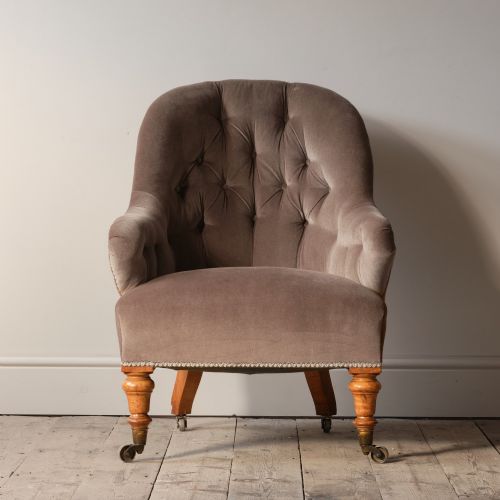
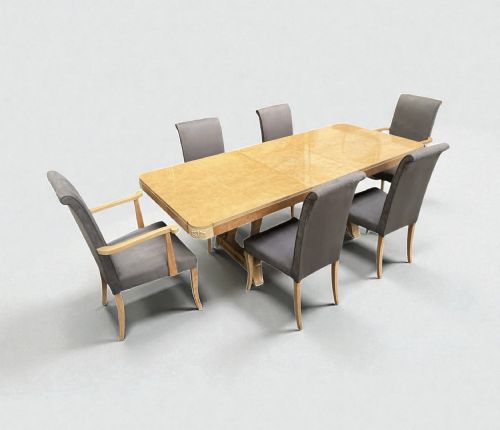
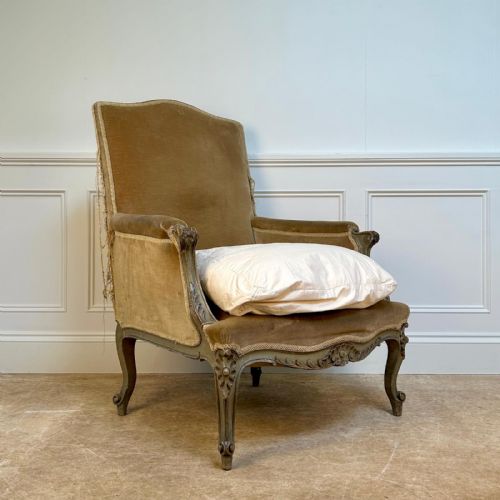
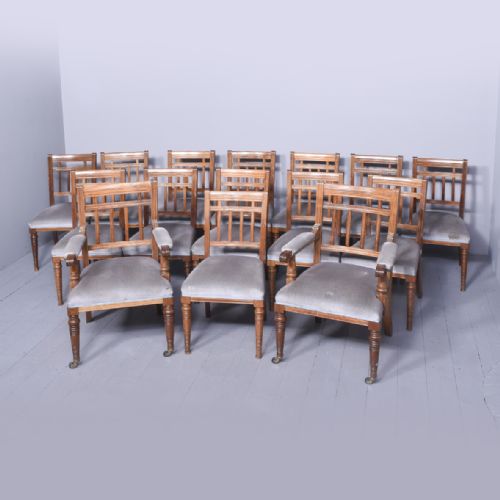
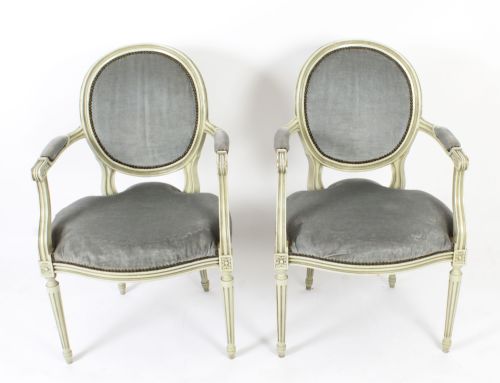
A grey velvet chair encompasses a variety of forms ranging from grand Victorian armchairs to streamlined Art Deco dining suites and classic English bobbin seating. When searching for a grey velvet chair, buyers encounter pieces spanning the Georgian, Victorian, Edwardian, and 1930s periods, often upholstered in rich textiles.
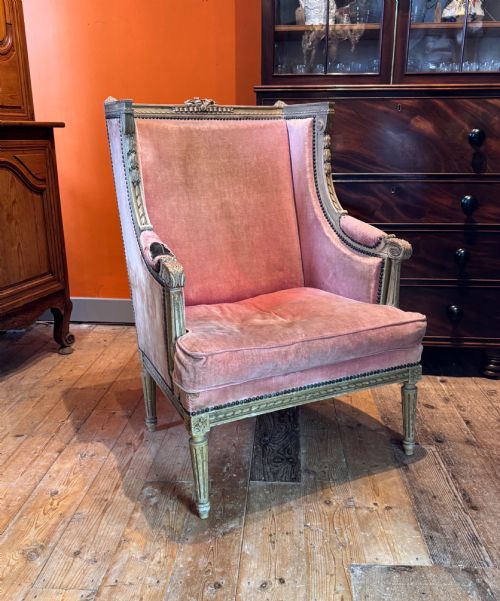
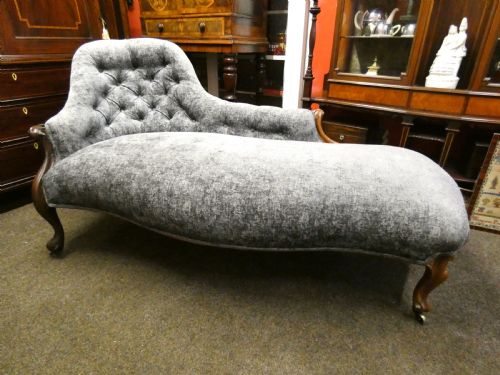
The selections on this page draw from diverse stylistic traditions including Louis XVI Revival, English Country, and Howard style designs. These pieces manifest as armchairs, daybeds, chaise longues, and dining chairs constructed from walnut, mahogany, beech, and painted wood.
Victorian and nineteenth-century examples frequently appear alongside early twentieth-century suites and side chairs. Each grey velvet chair reflects the craftsmanship of its specific era, combining structural woodwork with plush upholstery.
Materials and construction
The framework of these chairs relies upon traditional hardwoods such as mahogany, walnut, beech, and painted wood, providing a sturdy skeleton for the upholstered body. Artisans shaped these timbers into forms like the English bobbin open armchair or the carved contours of Louis XVI Revival seating.
Velvet forms the primary textile surface, complemented in certain historical contexts by decorative details like brass castors, cane seats, or buttonback tufting. Original paint finishes also survive on select French chateau pieces and painted bergère frames from the nineteenth century.
Grey Velvet Chair Retail Price Guide 2026
Typical asking prices for grey velvet chair among the pieces listed under this phrase on Sellingantiques today, from the lower quarter to the upper quarter. They describe what is for sale here now, not the wider market.
Some chairs arrived from French chateaus still wearing their original paint, proving that even chateau aristocracy appreciated a practical coat of colour.
Judging the range
Quality reveals itself in the integrity of the timber frame, the crispness of carved details, and the fidelity of revival styling to historical precedents. Pieces retaining original paint or authentic period upholstery techniques stand apart from later adaptations.
The distinction between standard production and top-tier workshop output lies in the weight of the hardwood, the balance of proportions, and the refinement of subsidiary elements like brass fittings and inlaid mahogany.
Hille·Howard and Sons
The Grey Velvet Chair Glossary
- Wingback
- A high-backed chair with side panels designed to shield the sitter from draughts. Georgian and Victorian examples remain highly sought after.
- Bobbin
- A style of turned furniture decoration resembling a string of spools or bobbins. English bobbin open armchairs showcase this distinctive lathe work.
- Buttonback
- An upholstery technique where buttons are pulled deep into the padding to create a diamond pattern. This method adds structural tension and visual depth.
- Daybed
- A long seat designed for reclining, combining elements of a chair and a bed. Nineteenth-century examples often feature elaborate wooden frames.
Grey Velvet Chair: Frequently Asked Questions
How do I clean velvet?
Velvet requires gentle brushing with a soft-bristled brush to maintain the pile and remove surface dust. Avoid harsh scrubbing or soaking the fabric.
Professional specialist cleaning is recommended for antique upholstery to preserve the integrity of the historical textile.
Are these chairs comfortable?
Period armchairs and lounge suites were designed with deep padding and ergonomic proportions for extended seating. Wingbacks and tub chairs offer substantial physical support.
Comfort levels depend on the original stuffing materials and whether the piece retains its historical padding or has been re-webbed.
How do I date a chair?
Dating relies on identifying the underlying timber, structural joinery methods, and characteristic style markers of periods like the Victorian era or Art Deco. Tool marks and construction techniques reveal the manufacturing era.
Comparing the silhouette to documented examples from makers like Howard and Sons provides further chronological clarity.
Can I use these in modern rooms?
Neutral grey velvet tones blend seamlessly into contemporary minimalist or maximalist interiors alike. The tactile quality of the fabric bridges historical forms and modern aesthetics.
Placing an antique armchair or side chair in a modern space adds textural contrast and historical character.