


Grey Paper Artwork Print
Grey paper artwork print pieces bring distinctive tonal depth and texture to interiors, prized by collectors for their subtle visual backgrounds.
Grey Paper Artwork Print
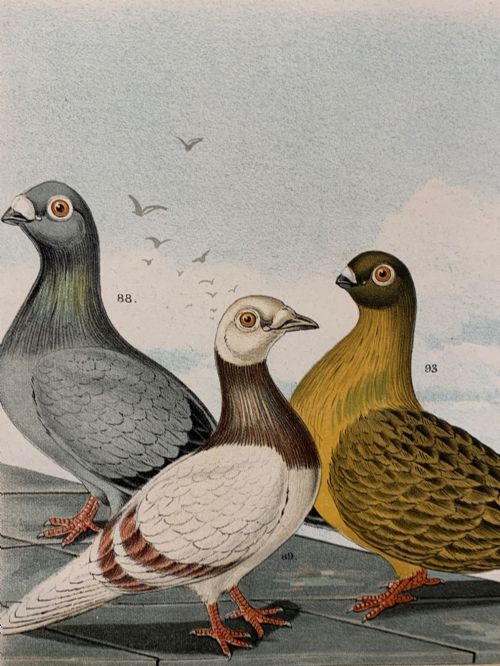
A grey paper artwork print encompasses works executed on tinted supports, spanning periods from the 18th century through to the mid-20th century. Buyers searching this category encounter diverse visual forms including architectural drawings, figurative watercolours, and botanical or zoological lithographs.
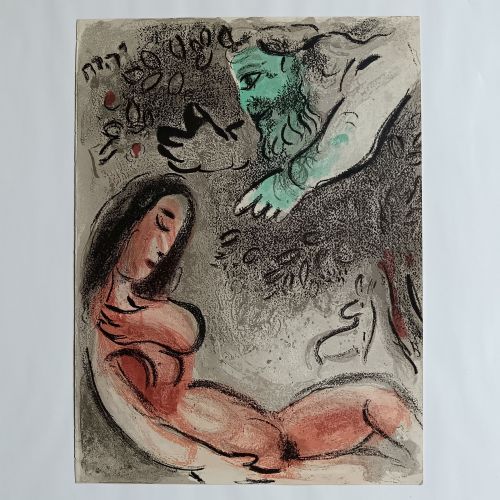
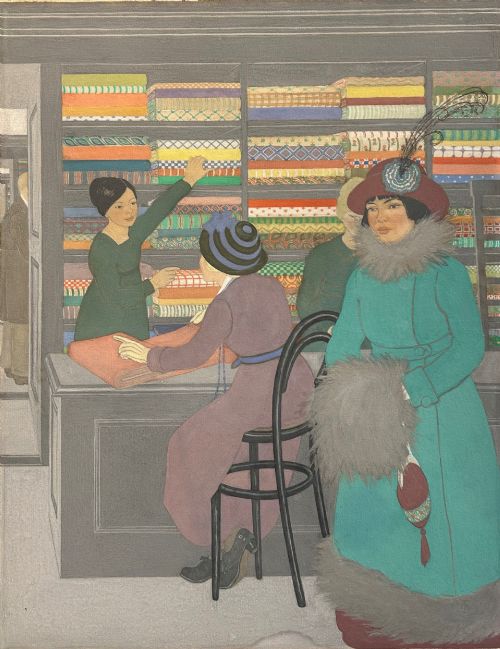
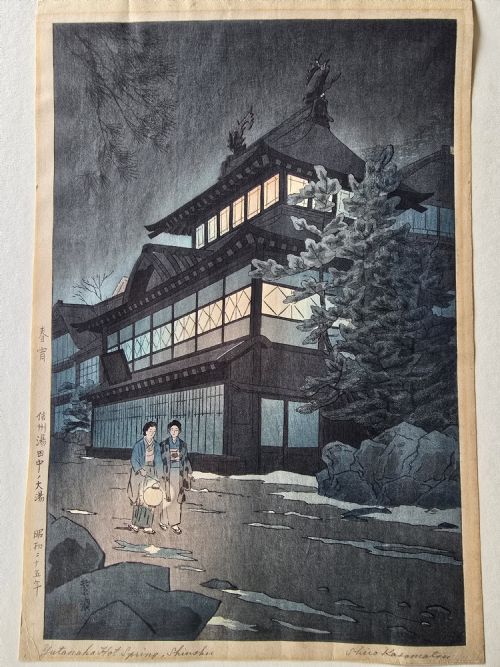
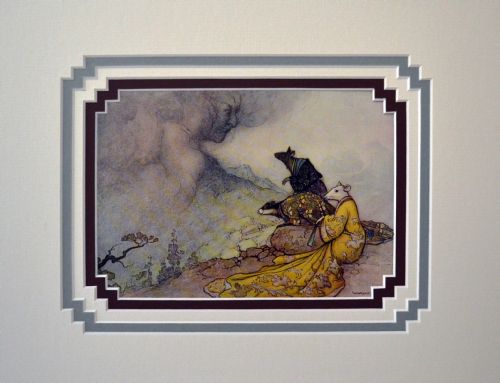
The selection ranges from Victorian natural history plates and Edwardian fairy tale illustrations to Japanese woodblock prints and mid-century French lithography. These items primarily function as wall art, often presented within wood frames behind glass.
Pieces originating from the 19th century sit alongside works from the 1920s, 1930s, and 1950s, demonstrating varied regional origins from European watercolours to Japanese shin-hanga printmaking traditions.
Materials and methods
Makers utilised paper, card, and tinted sheets as the fundamental support for pigments, ink, and lithographic ink. The inherent tone of the grey paper actively participates in the composition, serving as mid-tones or highlights rather than remaining a neutral background.
Techniques range from hand-applied watercolour and ink sketches to woodblock printing and multi-colour lithography. Finished works were frequently mounted in wood frames and protected beneath glass to preserve the delicate paper supports.
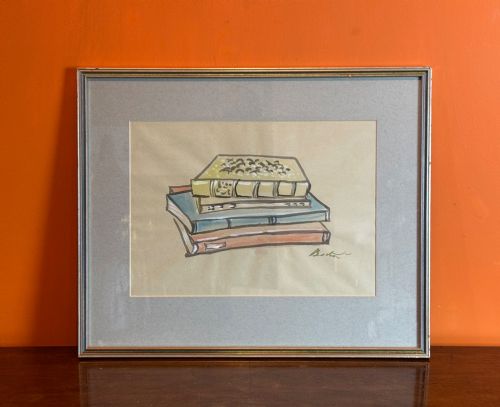
Current listings feature works created using paper, card, ink, lithographic ink, and watercolour, housed within wood frames and protected by glass.
Markers of quality
Quality rests upon the crispness of the printing or the surety of the brushwork upon the tinted paper support. Strong impressions in lithography and woodblock printing display sharp register and clear ink saturation.
The harmonious interaction between the grey paper tone and the applied media distinguishes superior examples. Preservation of the original paper colour without excessive fading or discoloration maintains the visual balance intended by the artist or printer.
The Grey Paper Artwork Print Glossary
- Lithograph
- A print produced from a flat stone or metal plate on which the image area is receptive to ink. This technique allows for subtle tonal gradations particularly effective on tinted paper.
- Woodblock print
- An image carved into a wooden block, inked, and transferred to paper by pressure. Japanese examples often showcase refined registration of multiple coloured blocks.
- Watercolour
- A paint consisting of pigment suspended in a water-based solution, applied in transparent washes. On grey paper, artists utilise bodycolour or gouache highlights to stand out against the dark ground.
- Shin-hanga
- A Japanese art movement that revitalised traditional ukiyo-e printmaking techniques during the early 20th century. These works frequently employ expressive colour palettes on varied paper supports.
Grey Paper Artwork Print: Frequently Asked Questions
How should I frame these?
Protect the delicate paper and media by employing professional framing methods with acid-free mount board. Keep the artwork away from direct sunlight to prevent fading of both the pigments and the tinted paper support.
Ensure there is a spacer between the glass and the print to prevent moisture accumulation and adherence of the paper to the glazing.
How do I identify the period?
Examine the paper stock, printing technique, and stylistic markers characteristic of the listed eras. Mid-century works often feature distinct modernist typography or abstract compositions, whereas 19th-century pieces typically display hand-colouring or early mechanical printing methods.
Compare the framing style and any visible watermarks or publisher details to establish a reliable timeframe for the creation of the piece.
Are these works hand-coloured?
Many historical prints, particularly from the 19th century, received supplementary layers of watercolour applied by hand over a printed outline. This combination enhanced the visual appeal of natural history plates and architectural illustrations.
Close inspection under magnification reveals the delicate brushstrokes distinct from flat printed ink areas.