



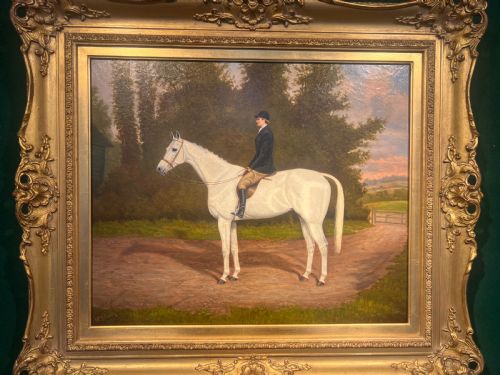

Grey Painted Horse
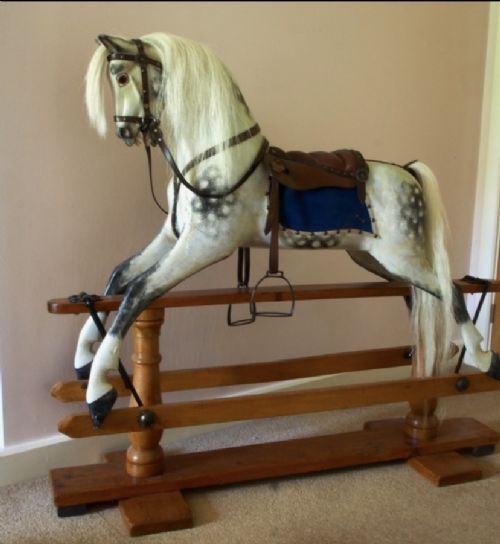
A grey painted horse brings the character of nineteenth-century nurseries and stables straight into a room through carved wood and oil paint.
Grey Painted Horse
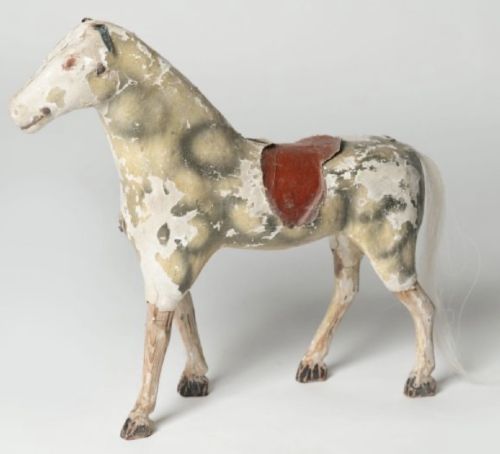
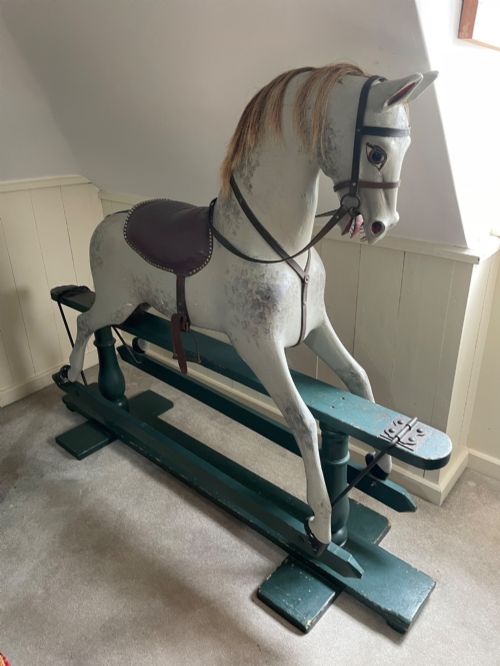
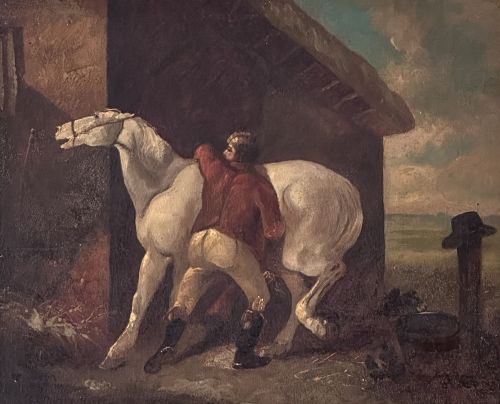
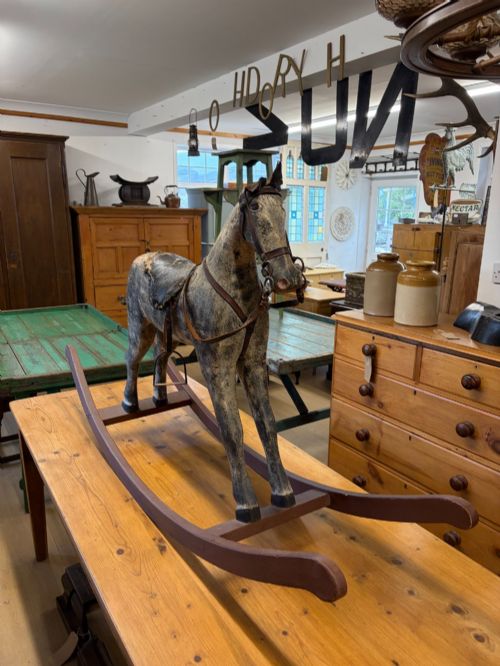
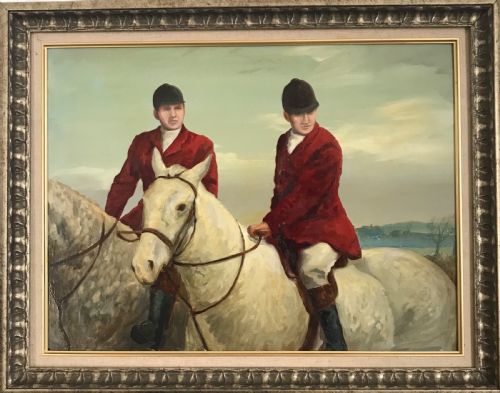
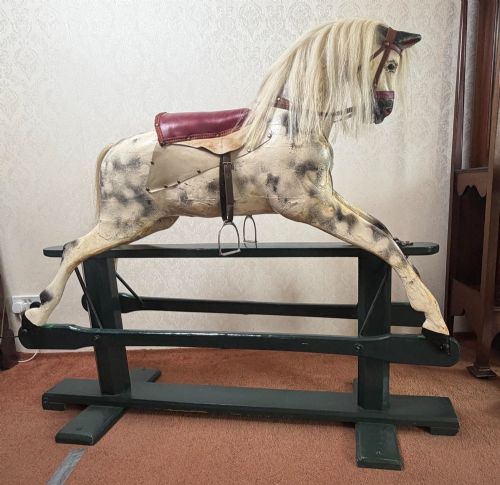
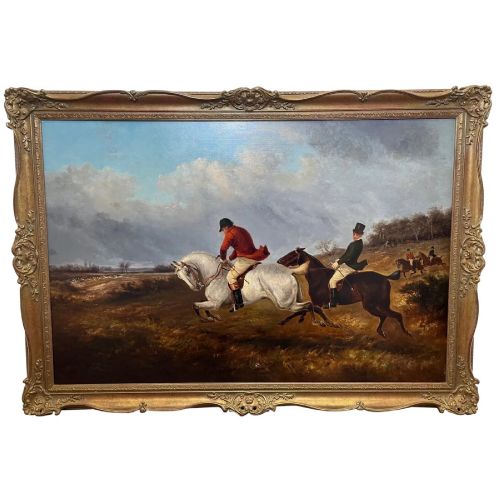
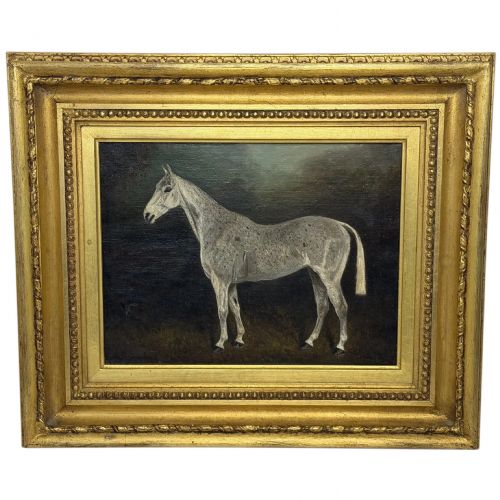
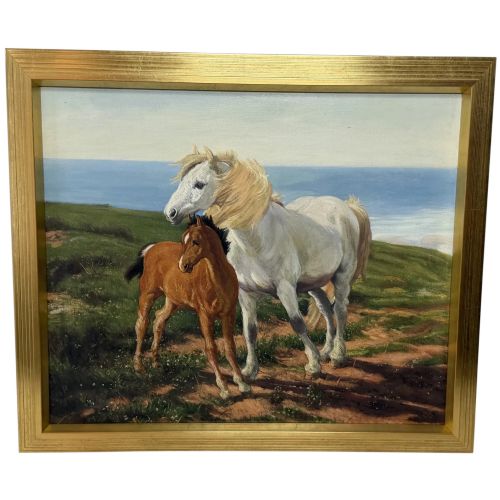
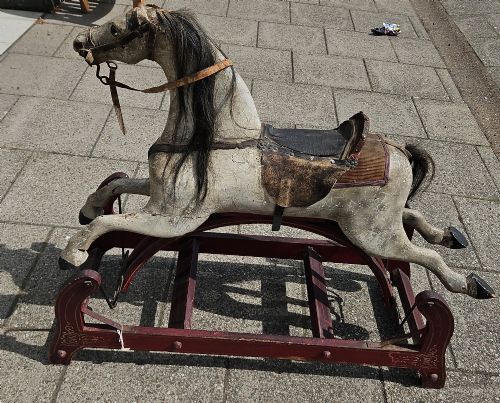
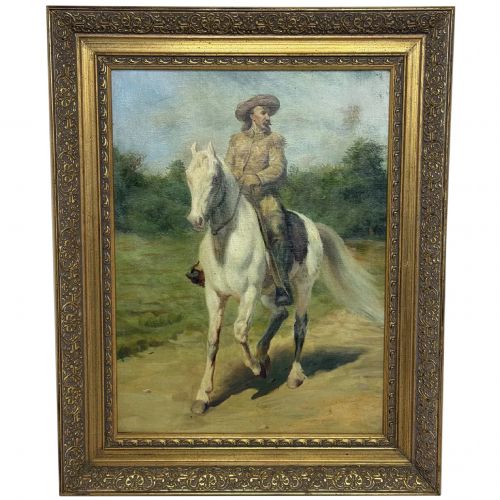
When you search for a grey painted horse, you encounter two distinct forms: carved wooden rocking horses covered in dappled paint and equestrian oil or watercolour paintings depicting grey mares and hunters.
The rocking horses range from primitive nineteenth-century examples on original curved wooden rockers to grander Edwardian workshop pieces. The paintings capture rural scenes, hunts, and formal portraits from Georgian times through to the mid-twentieth century.
Most items on this page combine traditional British sporting subjects with tangible signs of age, uniting child-sized playthings with serious equine art.
How they were made
The physical horses rely on solid wood construction, often carved with distinct musculature and fitted with leather tack, horsehair manes, and iron components. Layers of paint build up the dappled grey coats that define the survivors of this tradition.
The flat works utilise oil paint or watercolour applied to canvas or paper, sometimes framed. Artists built up their compositions using traditional British sporting palettes to render the tone and coat of a grey hunter or mare.
Grey Painted Horse Retail Price Guide 2026
Typical asking prices for grey painted horse among the pieces listed under this phrase on Sellingantiques today, from the lower quarter to the upper quarter. They describe what is for sale here now, not the wider market.
Several horses come complete with real horsehair manes and leather tack, ready to gallop straight out of the Victorian nursery.
What varies in quality
Quality rests in the anatomical conviction of the carving and the fidelity of the paint surface. A superior rocking horse displays confident proportions and an undisturbed original painted finish rather than heavy modern restoration.
In the paintings, distinction lies in the artist's ability to render the movement and weight of the animal within its landscape. Pieces signed by documented sporting artists or retaining their original frames carry greater artistic authority.
G and J Lines of London·F H Ayres·Lines Bros Sportiboy·Thomas Smythe·Basil Nightingale·Clifton Tomson
The Grey Painted Horse Glossary
- Dappled
- Marked with spots or rounded patches of a lighter or darker shade. This finish is characteristic of traditional rocking horses.
- Rockers
- The curved pieces of wood attached to the feet of a rocking horse that allow it to swing back and forth. Original rockers indicate an untouched survival.
- Equestrian
- Relating to horse riding or horse depiction. This genre covers both the painted portraits and the sporting scenes listed here.
- Grisette
- A term used in equine naming and descriptions, often denoting a grey mare. It appears in specific nineteenth and early twentieth-century titles.
- Primitive
- Describing an early, unsophisticated style of craftsmanship. Primitive rocking horses show simpler carving and direct, unpretentious painted surfaces.
Grey Painted Horse: Frequently Asked Questions
How do I date an old rocking horse?
Dating relies upon construction methods, ironwork fixings, and the style of the carved head. Earlier examples tend to feature heavier wooden rockers and simpler bodies.
Paint layers also provide clues. Original schemes show genuine craquelure and wear that modern repainting cannot replicate.
Are these rocking horses sturdy enough for children?
While historic rocking horses were built as children's toys, surviving antique examples function primarily as decorative interior objects today. Their joints and original rockers can be delicate after a century or more.
It is wise to treat them with care and restrict energetic play to preserve the antique wood and painted surfaces.
What is the difference between oil paintings and watercolours here?
Oil paintings use pigment suspended in drying oil on canvas or panel, offering rich depth and texture. Watercolours use water-soluble pigments on paper, creating a lighter, more translucent finish.
Oils were typically framed for formal display in rooms, while watercolours often required protective glass framing.
How do I care for a painted wooden horse?
Keep the horse away from direct sunlight and sudden temperature shifts to prevent the wood from splitting and the paint from flaking. Dust gently with a dry, soft cloth.
Avoid liquid cleaners or polishes, which can damage historic paint surfaces and horsehair manes.