

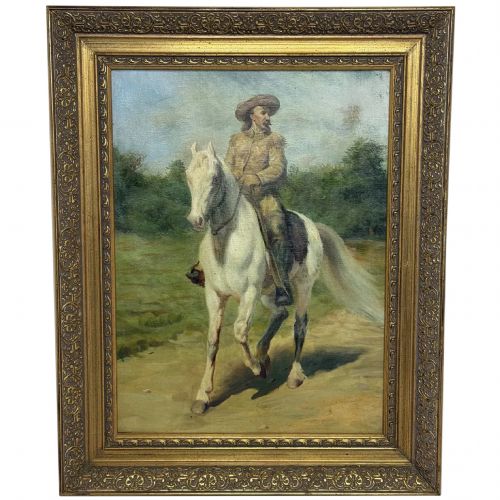


Grey Oil Portrait Canvas
Grey oil portrait canvas paintings capture centuries of human and animal character through layered pigment and woven fabric.
Grey Oil Portrait Canvas
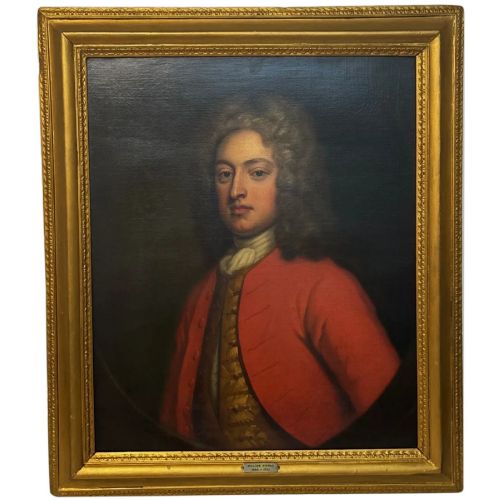
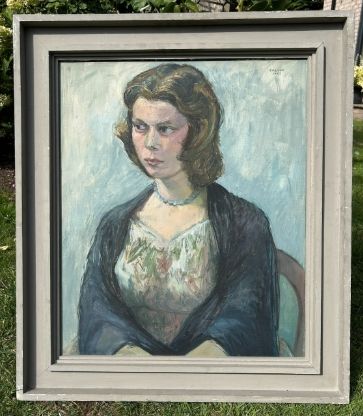
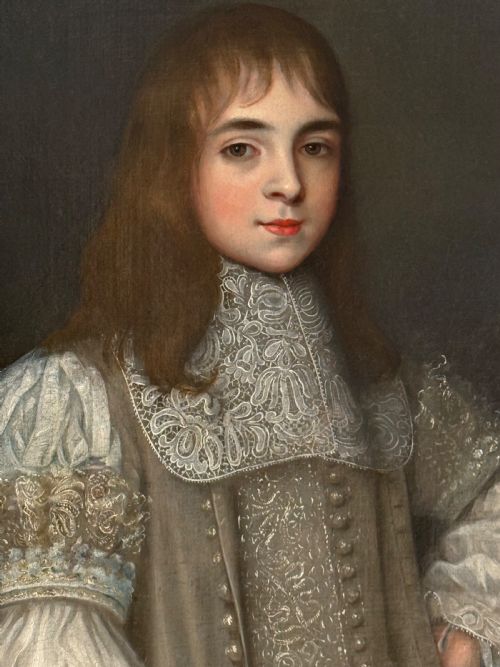
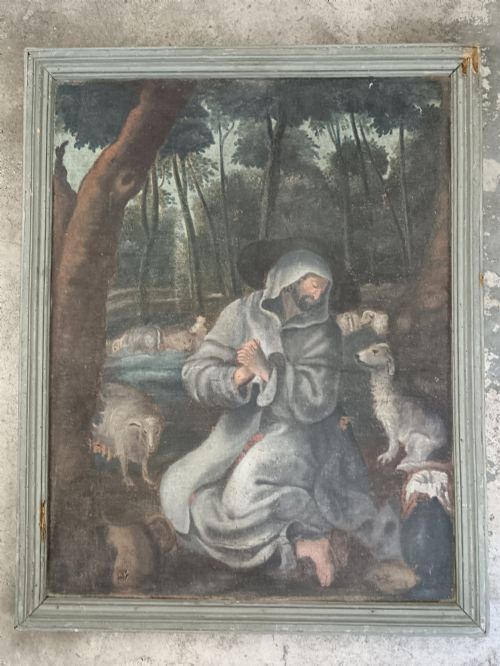
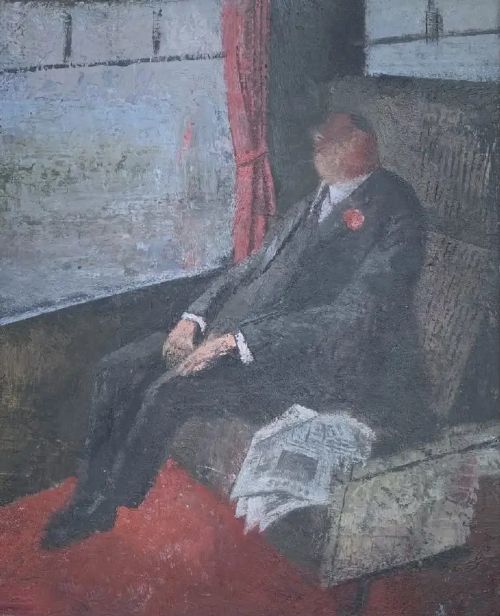
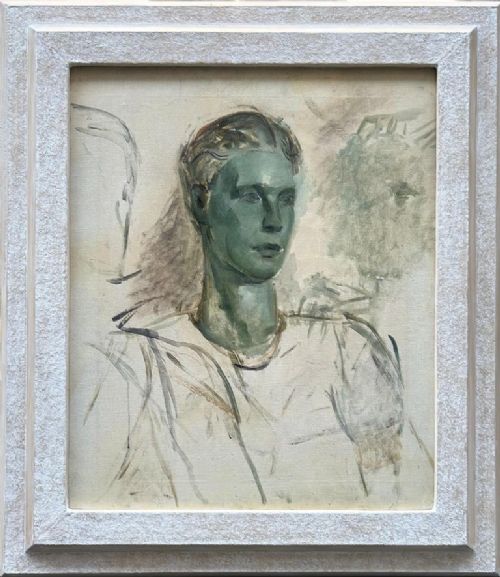
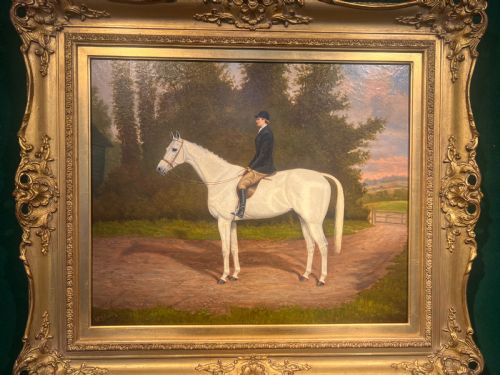
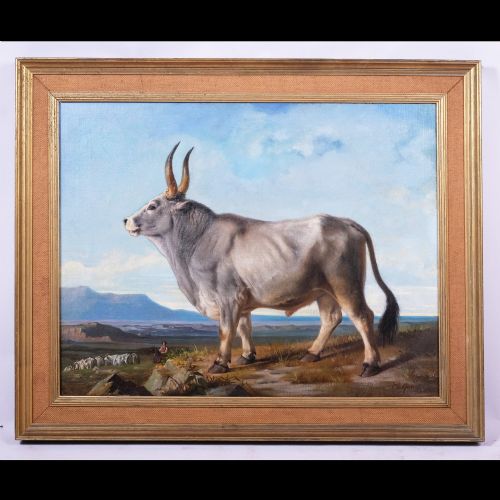
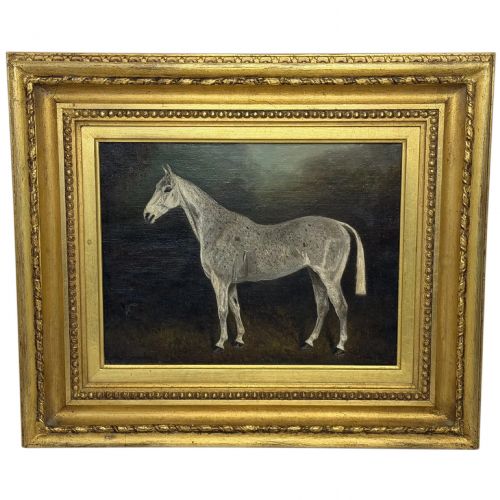
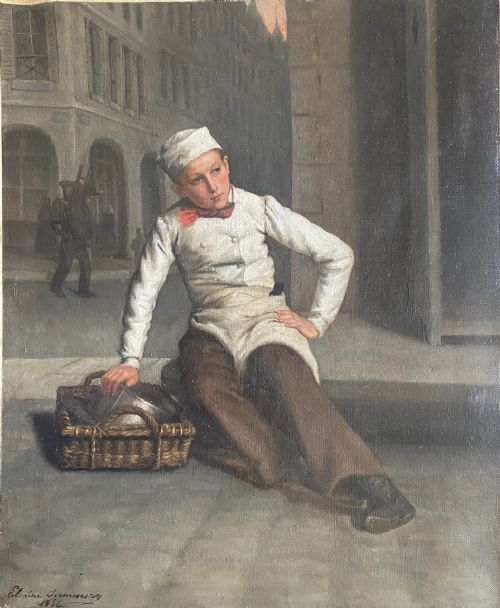
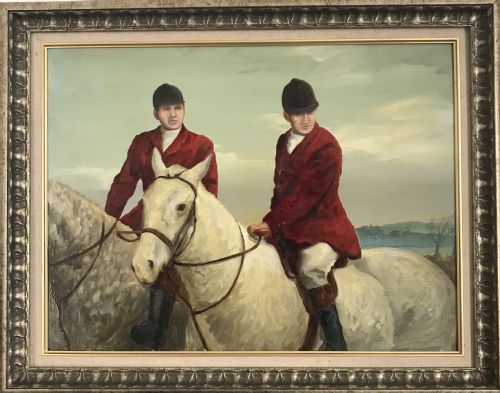
A grey oil portrait canvas search reveals works spanning from the seventeenth century through to the mid-twentieth century, encompassing both British and European traditions. These pieces predominantly feature human sitters, equestrian subjects, and sporting animals rendered in subtle monochromatic or muted tonal palettes.
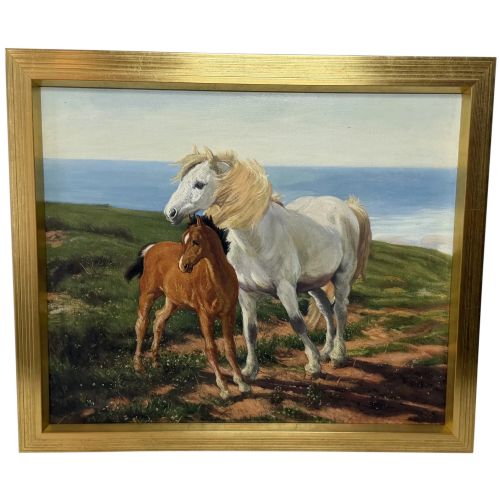
The selections available range from early eighteenth-century aristocratic depictions to twentieth-century modernist studies and traditional country school paintings. Buyers frequently encounter historical equestrian portraits, rustic animal studies, and atmospheric figurative compositions set against neutral backgrounds.
Materials and Construction
Artists built these works by applying oil paint directly onto woven canvas, often supported by wooden stretcher frames that maintained the tension of the textile. Some later or transformed pieces involve canvases laid onto wooden boards for additional structural stability.
Frames frequently incorporate carved wood and giltwood elements, which complement the heavy texture of the oil paint layers. The interaction between the absorbent canvas ground and the slow-drying oil pigments allowed painters to achieve depth and tonal gradation in grey and monochromatic passages.
Several canvases quietly record the presence of observant household cats sharing space with reclining figures and aristocratic gentlemen.
Evaluating the Work
The distinction between standard works and exceptional examples lies in the handling of brushwork and the psychological depth captured in the subject. Superior pieces demonstrate confident draughtsmanship, particularly in the rendering of facial expressions, textiles, or equine anatomy.
Quality also depends on the preservation of the original canvas texture and the integrity of the paint surface. Works that retain their initial tonal balance without heavy intervention or discoloured varnish command greater attention from discerning collectors.
JOHN MICHAEL WRIGHT·Thomas Hicks·GEORGES GOURSAT·Charles Jones·Hans Hysing
The Grey Oil Portrait Canvas Glossary
- Canvas
- A heavy woven fabric, typically flax or hemp, used as a support surface for oil paintings. It provides a flexible and durable ground for layered pigment.
- Giltwood
- Wood that has been carved and coated with a thin layer of gold leaf or gilt powder. This material is standard for traditional picture frames.
- Pentimento
- An alteration in a painting evidenced by visible traces of previous brushstrokes, showing where the artist changed their mind during composition.
- Grisaille
- A painting executed entirely in shades of grey or neutral greyish monochrome. This technique was frequently utilised for preparatory studies or decorative panels.
Grey Oil Portrait Canvas: Frequently Asked Questions
What periods do these portraits cover?
The works span multiple centuries, originating from the seventeenth, eighteenth, nineteenth, and mid-twentieth centuries. Each era brings distinct stylistic approaches to portraiture and equine art.
Earlier examples often reflect formal aristocratic traditions, while twentieth-century pieces lean towards modernist interpretations and looser brushwork.
How should I care for an oil on canvas?
Maintain stable environmental conditions away from direct sunlight, excessive heat, and high humidity to protect both the canvas and the wooden stretcher. Avoid using chemical cleaners on the painted surface.
Dust the canvas gently with a soft, dry brush and consult a professional conservator if cleaning or structural repairs become necessary.
What does grisaille mean in these paintings?
Grisaille refers to a method of painting executed entirely in monochromatic shades of grey. Artists utilised this technique to create sculptural depth or as a base layer for subsequent glazing.
Some nineteenth-century pieces employ this restricted palette deliberately to achieve a restrained, classical aesthetic.