


Grey Landscape Art
Grey landscape art brings muted skies, atmospheric waters and sombre earth tones into rooms through original paintings, watercolours and drawings.
Grey Landscape Art
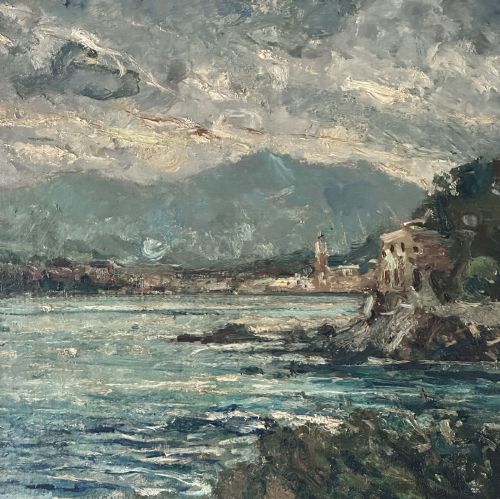
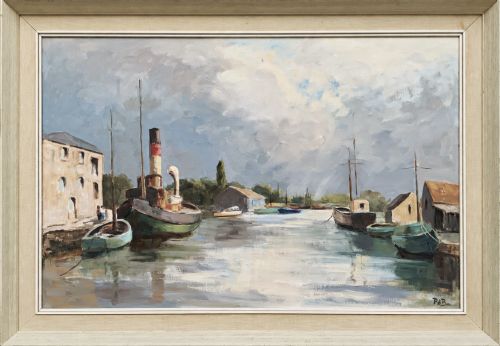
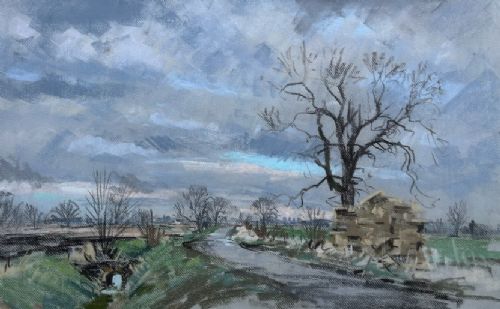
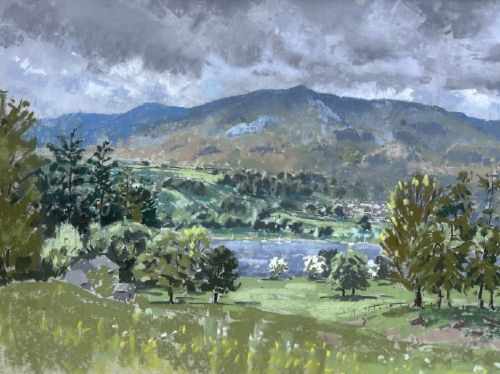
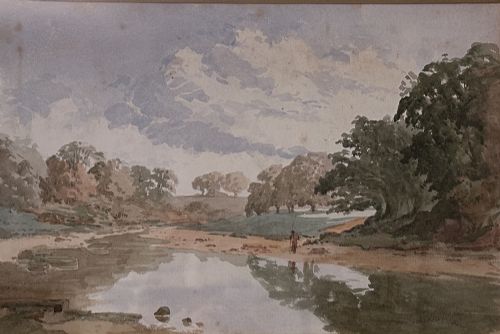
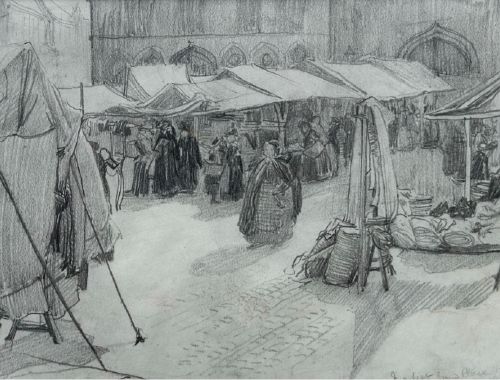
Grey landscape art encompasses original oil paintings, watercolours, pastels and drawings depicting maritime scenes, urban riverbanks, coastal views and rural vistas. The pieces span from the eighteenth century through the Victorian era into mid-century modern and British impressionist movements.
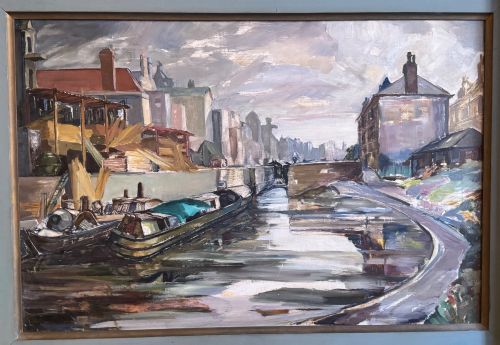
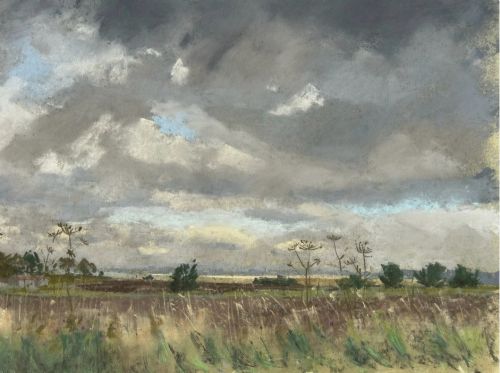
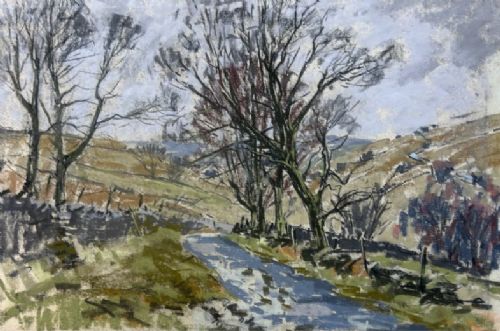
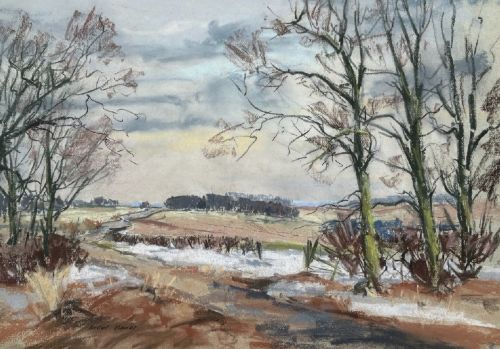
Buyers encounter works executed on canvas, paper, wood and board, often housed in period wood frames. The selection ranges from nineteenth-century coastal watercolours to mid-twentieth-century pastel drawings of Yorkshire dales and industrial canals.
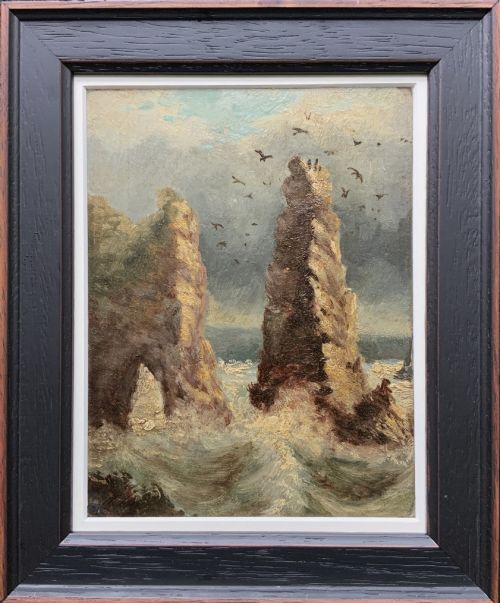
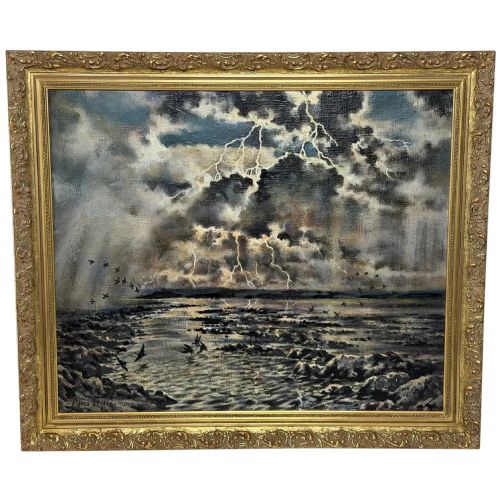
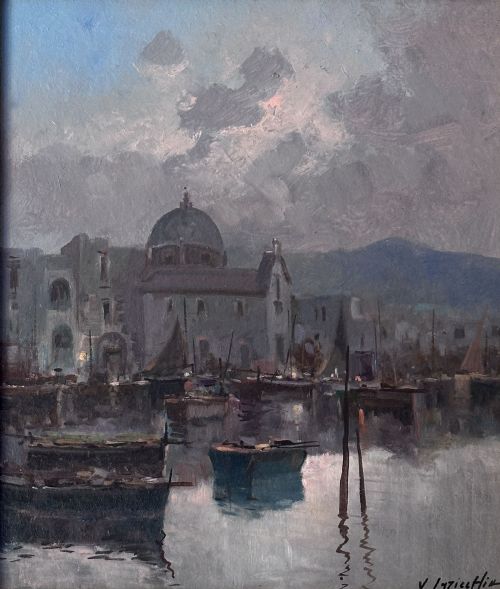
Subjects stretch across British and European locations, recording harbours, stormy seas, winter snow scenes and quiet ports. These visual records capture atmospheric weather conditions through restrained palettes dominated by slate, charcoal and silver tones.
Materials and methods
Artists deployed oil paint, watercolour, pastel, charcoal and ink upon canvas, paper, wood panels and board. Oil media allowed for textured impasto and rich surface depth, whilst watercolours and pastels captured translucent atmospheric effects on paper supports.
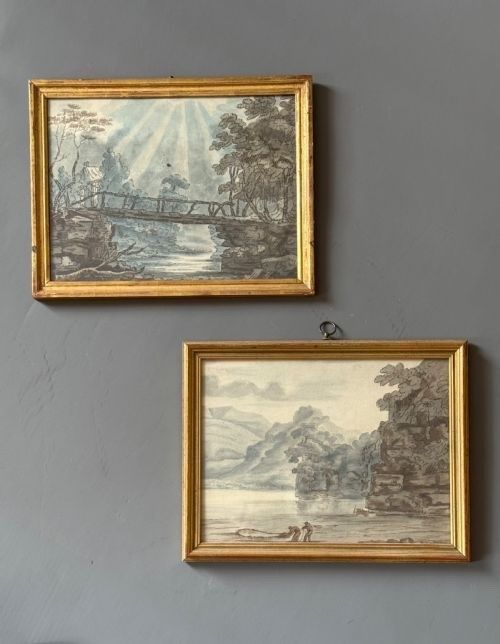
Works frequently received framing in timber mouldings that protected the delicate surfaces of paper drawings and oil canvases alike. Draughtsmen and painters utilised layering and tonal gradation to evoke overcast skies, mist and grey waters.
Grey Landscape Art Retail Price Guide 2026
Typical asking prices for grey landscape art among the pieces listed under this phrase on Sellingantiques today, from the lower quarter to the upper quarter. They describe what is for sale here now, not the wider market.
Cattle and horses occasionally share the grey horizon with nineteenth-century steamships.
Distinguishing quality
Quality rests in the artist's handling of tone and light, where restrained monochrome palettes successfully convey depth and atmosphere without relying on saturated colour. Superior compositions demonstrate confident brushwork or assured pastel strokes that articulate architectural forms, water movement and heavy skies.
The relationship between the artist's hand and the chosen medium dictates the lasting impact of the work, with documented provenance and signed studio pieces commanding greater attention. Condition of the paper or canvas, alongside the appropriateness of the surrounding wood frame, completes the measure of a strong piece.
Evelyn Harris·Angus Rands·Cuthbert Crossley·Kenneth Cozens·Thomas Miles Richardson Jnr·Henry Percy Huggill·John McDougal·Robert Leslie Howey·James E. Aitken·Thomas William Morley·Lucy Pratt·Clive Browne·Peter Brannan·Paul Bret·Hector Caffieri·James Fry·Francisco Sancha·Cyril Walduck Edwards·Alfred Wolmark·Thomas Maidment·Christine Nesbit·Brian Shields Braaq·Thomas Smythe
The Grey Landscape Art Glossary
- Impasto
- Paint applied thickly to a canvas or board, standing out in relief from the surface. This technique adds tactile dimension to turbulent seas and stormy skies.
- Watercolour
- Pigments suspended in a water-soluble binder, traditionally painted on paper. Artists utilise its translucent qualities to render misty coastal light and grey weather.
- Pastel
- A dry painting medium consisting of powdered pigment and a binder, formed into sticks. It permits rapid sketching of atmospheric effects and wintry rural scenes.
- Provenance
- The chronological history of the ownership of a work of art. Documented origin establishes authenticity and connects the piece to the creator's studio.
- Board
- A rigid flat substrate used instead of canvas for oil paintings. Mid-century artists frequently painted directly upon wooden or composite boards.
Grey Landscape Art: Frequently Asked Questions
What periods do these grey landscapes cover?
The selection includes works from the eighteenth and nineteenth centuries, the Victorian period, and stretches into mid-century modern and post-impressionist twentieth-century movements.
Buyers encounter everything from early British watercolour drawings to mid-century oil paintings on board.
How should I display watercolour landscapes?
Works on paper require protection from direct sunlight to prevent fading of delicate watercolours and pastel pigments.
Mounting them behind glass within suitable wood frames safeguards the paper from atmospheric moisture.
Are these paintings original works?
The inventory consists of original hand-painted oils, watercolours, pastels and drawings rather than mass-produced reproductions.
Many bear artist signatures, monograms or studio provenance connecting them directly to the creator.
What subjects appear in these scenes?
Common subjects include British maritime harbours, industrial canals, stormy coastal waters, Cumbrian lakes and rural winter snow scenes.
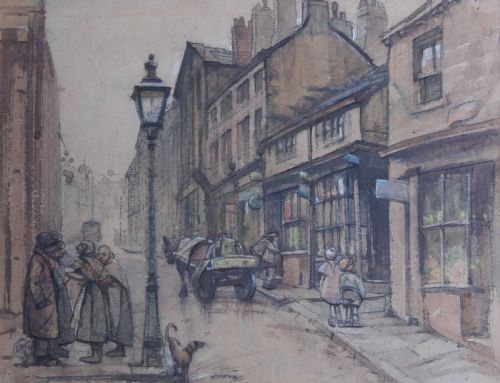
European ports and townscapes also feature alongside quiet pastoral views.