



Grey Iron Bed
A grey iron bed offers sturdy metal construction and classic Victorian charm, bringing lasting utility and industrial elegance to any bedroom.
Grey Iron Bed
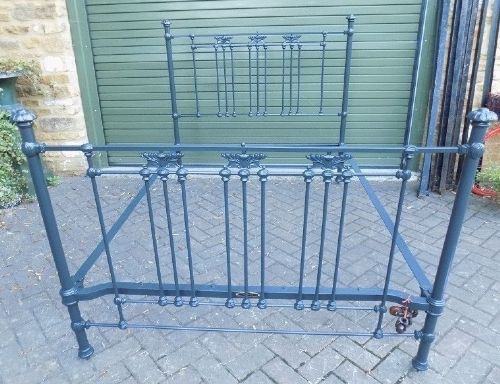
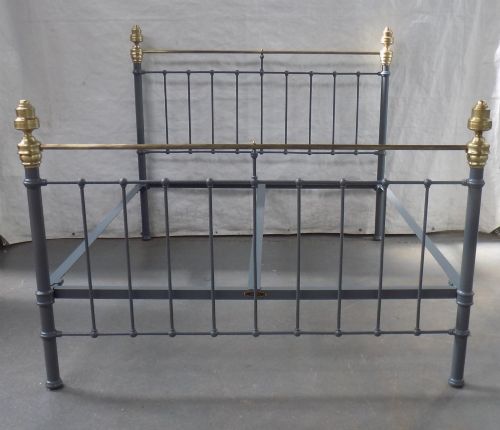
A grey iron bed encompasses nineteenth-century and Victorian bedframes, bedsteads, and platform beds constructed primarily from iron, cast iron, and painted metal. These pieces frequently incorporate contrasting brass details, nickel finishes, and neutral painted tones to create a distinctive sleeping frame.
Buyers encountering this selection will most commonly find Victorian double, king, and single size beds alongside paired configurations and Portuguese traditional variants. The forms range from traditional no-end designs to four poster frameworks featuring classic shaping and ribbon reed motifs.
How they were made
Makers constructed these beds utilising durable cast iron and wrought iron frameworks, often combined with steel structural elements for enhanced support. Detail work frequently incorporated brass components and nickel plating to accent the darker painted surfaces.
Surfaces were finished with paint or specialised neutral coatings to achieve the characteristic grey or charcoal coloration seen across the period pieces. Metal casting techniques allowed for intricate shaping and decorative detailing such as ribbon reeds.
Grey Iron Bed Retail Price Guide 2026
Typical asking prices for grey iron bed among the pieces listed under this phrase on Sellingantiques today, from the lower quarter to the upper quarter. They describe what is for sale here now, not the wider market.
The listings feature pieces spanning the Victorian era, eighteen eighty, eighteen ninety, and nineteen hundred, utilising iron, cast iron, wrought iron, and brass.
What varies in quality
The standard of a grey iron bed rests in the intricacy of its metal casting and the preservation of its original painted or plated finishes. Superior examples display crisp definition in decorative elements like ribbon reeds and robust structural joining between iron and brass components.
Construction heft and proportion distinguish the range, with larger king and double sizes demonstrating substantial metal weight. The integration of secondary materials like nickel and brass also dictates the refinement of the piece.
The Grey Iron Bed Glossary
- Bedstead
- The framework of a bed, comprising the headboard, footboard, and side rails. This term is frequently used interchangeably with bed frame in nineteenth-century contexts.
- Cast iron
- A hard, relatively brittle alloy of iron and carbon that can be readily cast in a mould. Makers utilised this material for decorative bed castings and structural components.
- Wrought iron
- Tough, malleable iron that can be forged and bent into various shapes. It provided strength for the structural framework of nineteenth-century beds.
- Platform bed
- A bed base featuring a solid or slatted platform designed to support a mattress directly. These often appear alongside charcoal and nickel finishes in the listings.
- Ribbon reed
- A decorative moulding detail resembling a tied ribbon or reeded band. Victorian makers applied this ornamentation to enhance the visual appeal of iron bed ends.
Grey Iron Bed: Frequently Asked Questions
Are grey iron beds suitable for everyday use?
These metal beds provide robust daily support, utilising durable iron and steel frameworks designed to withstand regular sleeping arrangements.
Buyers can easily accommodate modern mattresses within these historic dimensions while enjoying the lasting stability of nineteenth-century metalwork.
How do I identify a Victorian iron bed?
Victorian pieces typically feature characteristic metal casting, specific proportions, and traditional joinery methods dating from the nineteenth century through nineteen hundred. They often combine iron structures with brass finials or painted neutral surfaces.
Examining the casting quality and structural materials helps confirm the period of manufacture and distinguishes original Victorian work from later reproductions.
Can I join a pair of Victorian iron beds?
Certain listings include paired iron beds specifically engineered with the potential to be joined together into a single larger sleeping configuration. This offers flexibility for guest rooms or master bedrooms requiring custom sizing.
Checking the specific hardware and frame compatibility ensures the pair can be safely united without compromising the structural integrity of the ironwork.
What maintenance do painted metal beds require?
Maintaining these beds involves regular dusting and gentle cleaning of the painted metal and brass surfaces to preserve the finish. Avoiding harsh chemical cleaners protects the integrity of the original paint and metallic platings.
Periodical checks on structural joints and fastenings ensure the bed remains stable and secure during everyday use.