



Green Wooden Table
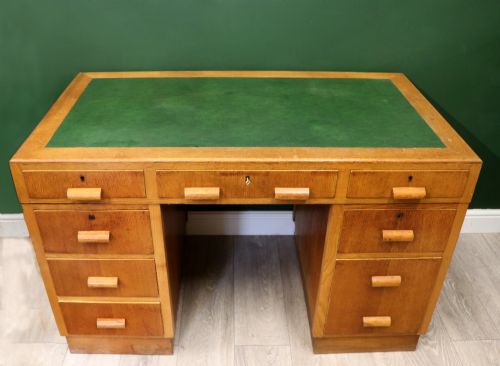
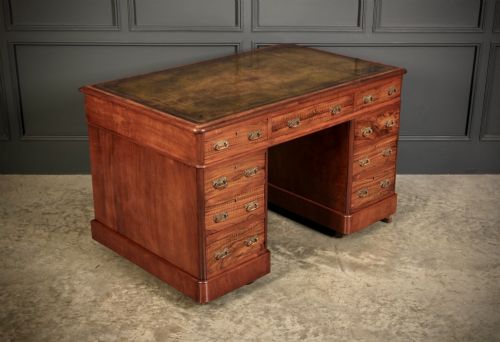
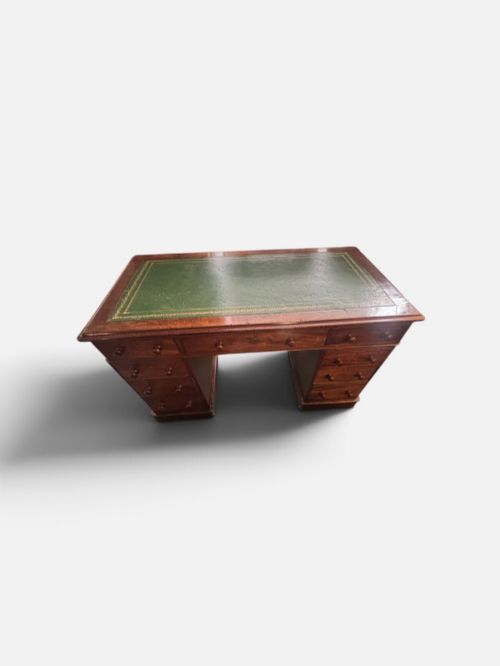
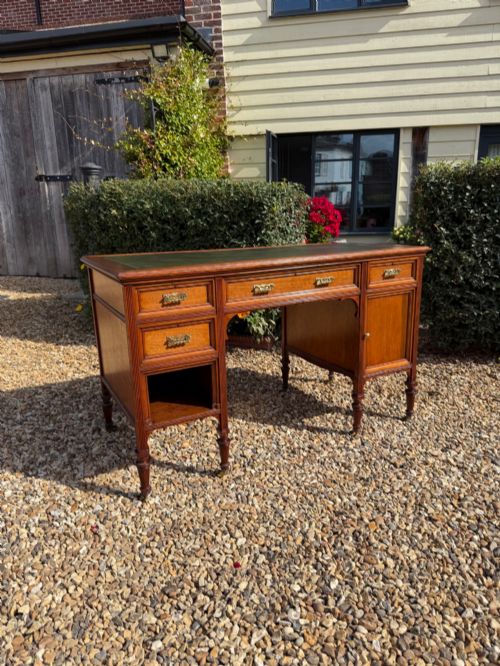
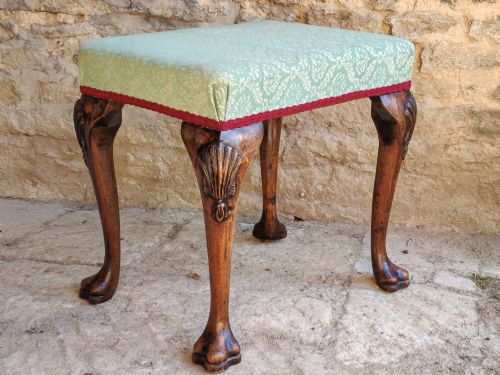
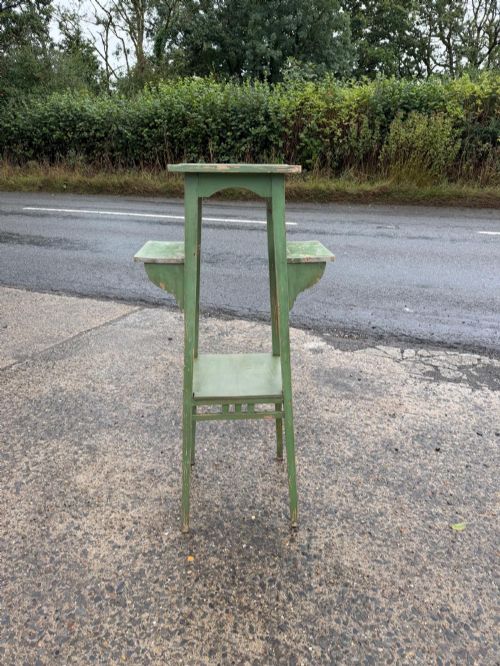
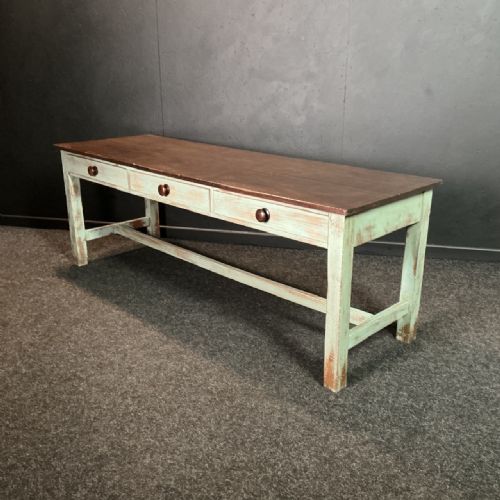
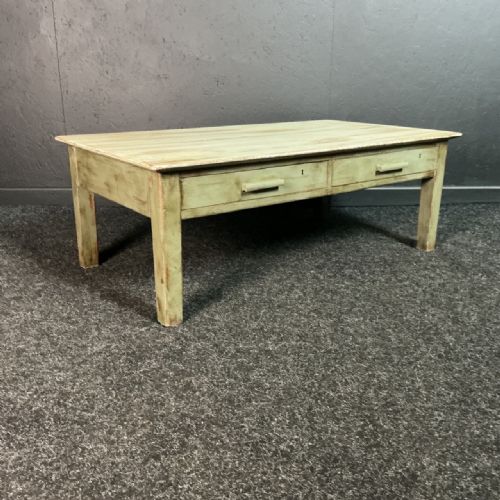
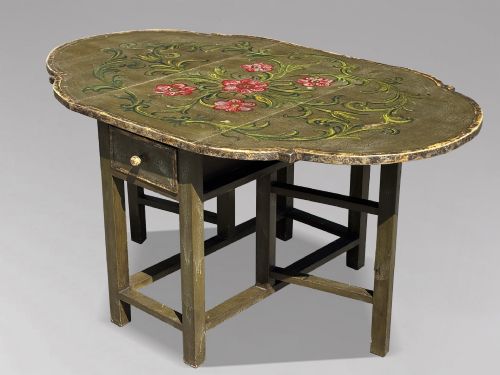
A green wooden table brings character and a splash of colour to a room through painted pine, oak, or hardwood surfaces.
Green Wooden Table
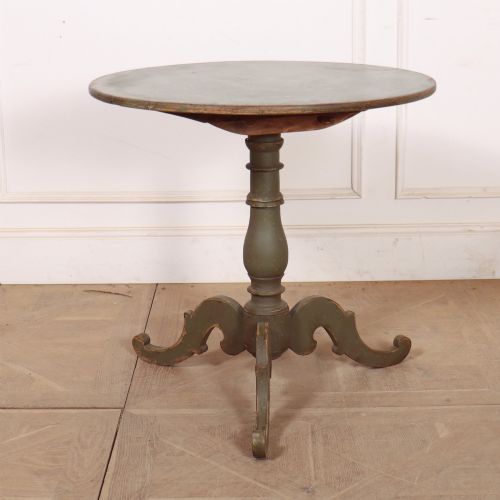
A green wooden table encompasses a variety of utilitarian and decorative forms from the eighteenth century through to the early twentieth century. Buyers seeking a green wooden table will encounter pieces finished in original paint, ranging from rustic French consoles to Edwardian and Victorian occasional tables.
Many examples utilise softwoods like pine alongside denser timbers such as oak and mahogany beneath their painted surfaces. This mix of structural wood and surface colour defines the visual appeal of these tables.
How they were made
Cabinet makers constructed the frames using traditional joinery in timbers such as pine, oak, mahogany, and walnut. These woods provided a stable substrate for the subsequent application of decorative paint finishes.
Surface treatments rely on oil-based or distemper paints applied directly to the wood, sometimes showing layers of age and wear. Artisans also utilised secondary materials like brass handles, leather inserts, and marble tops on more elaborate console and desk variants.
Green Wooden Table Retail Price Guide 2026
Typical asking prices for green wooden table among the pieces listed under this phrase on Sellingantiques today, from the lower quarter to the upper quarter. They describe what is for sale here now, not the wider market.
Listings for green wooden tables span the eighteenth, nineteenth, and early twentieth centuries, featuring pine, oak, and mahogany.
What varies in quality
The integrity of the underlying woodwork and the survival of the original painted surface dictate the standing of each piece. Tables retaining their authentic, undisturbed pigment carry greater character than those stripped or heavily repainted in later periods.
Joinery execution and the choice of primary timber separate utilitarian workshop items from finer salon furniture. Subtle details in turning, moulding, and the integration of drawers reflect the skill of the original maker.
Howard and Sons·Maple and Co·Winterhalder and Hofmeier
The Green Wooden Table Glossary
- Pedestal desk
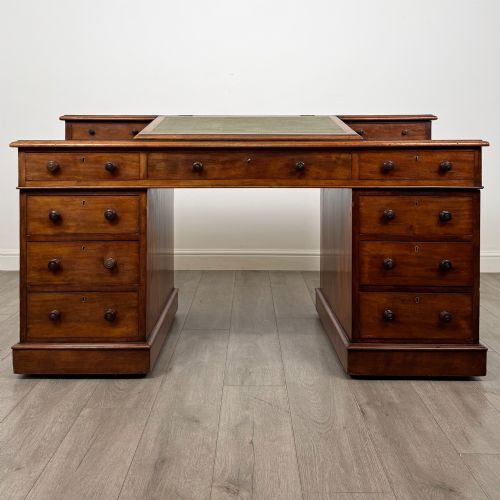
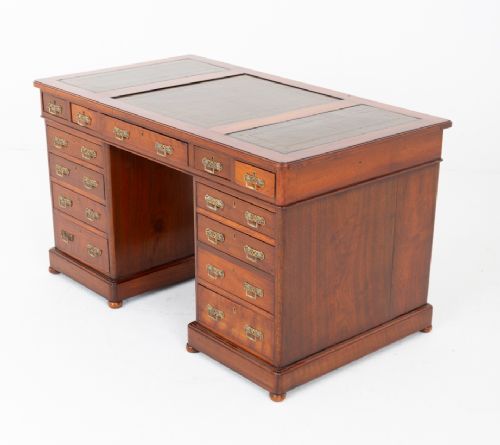
- A flat-topped writing table supported by two vertical banks of drawers. These sturdy pieces often incorporate leather writing surfaces.
- Console table
- A table designed to stand against a wall, frequently featuring decorative brackets or slender legs. Painted examples often serve as striking hallway furniture.
- Dresser base
- A low utilitarian storage unit featuring drawers and sometimes a potboard shelf beneath. These heavy oak or pine pieces originated in country kitchens and dining rooms.
- Drop-leaf table
- A table with hinged flaps on the sides that fold down to save space. They allow the footprint of the furniture to adjust according to need.
- Demi-lune
- A half-moon shape commonly seen in console tables designed to fit flush against a wall. This profile offers a compact surface for display.
Green Wooden Table: Frequently Asked Questions
Are painted finishes usually original?
Many surviving tables retain their original surface pigment, though decades of domestic use often result in natural patination and minor touch-ups.
Examining the paint layers under magnification helps determine whether the colour dates to the construction period or a later campaign.
How do I care for a painted wooden table?
Keep painted wooden furniture away from direct sunlight and strong heat sources to prevent the wood from warping and the paint from flaking.
Dust gently with a soft dry cloth and avoid harsh chemical cleaning products that might strip the historic finish.
What rooms suit a console table?
Console tables work exceptionally well in hallways, living rooms, and dining areas where surface space is needed without a large footprint.
Their shallow depth allows them to sit neatly against walls beneath mirrors or artwork.
How do I identify pine from hardwood?
Pine is a softer softwood that often shows distinct grain patterns and knots, typically finished with paint in country furniture.
Hardwoods like oak, mahogany, and walnut feel heavier, display tighter grain structures, and are frequently polished rather than painted.