





Green Wooden Box
A green wooden box offers practical storage wrapped in historic charm, spanning utilitarian pine chests and refined mahogany writing slopes.
Green Wooden Box
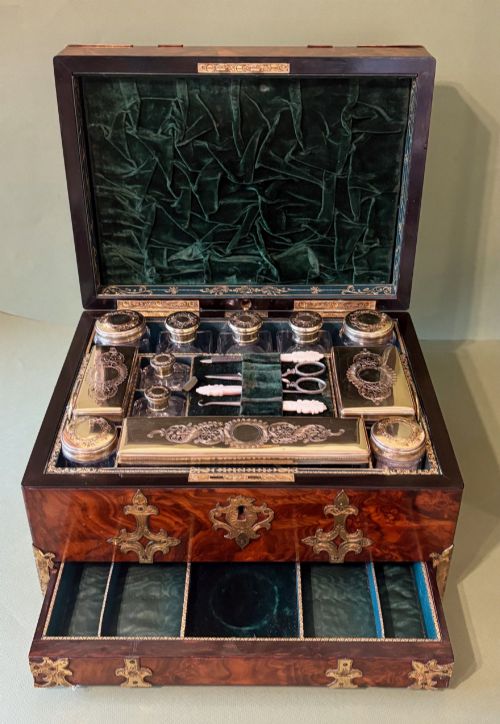
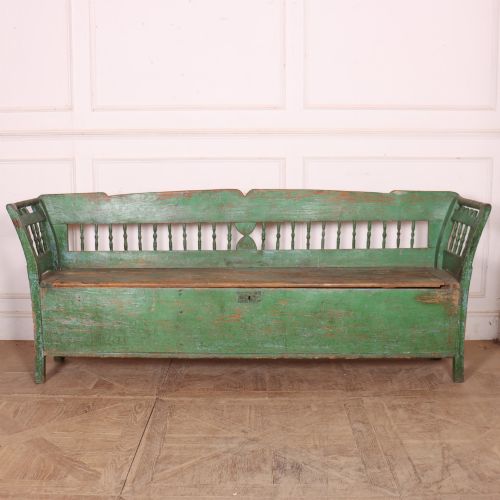
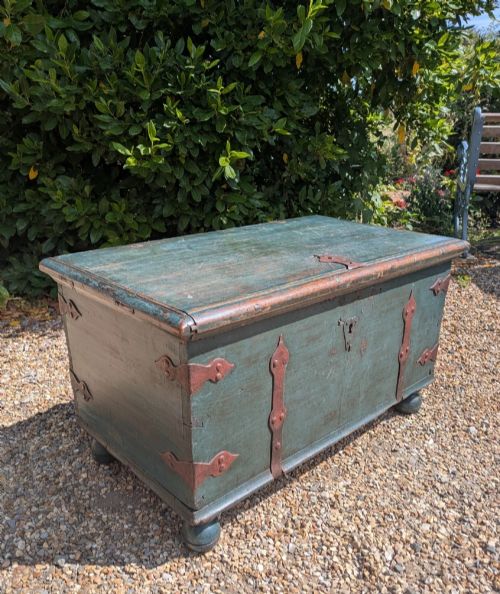
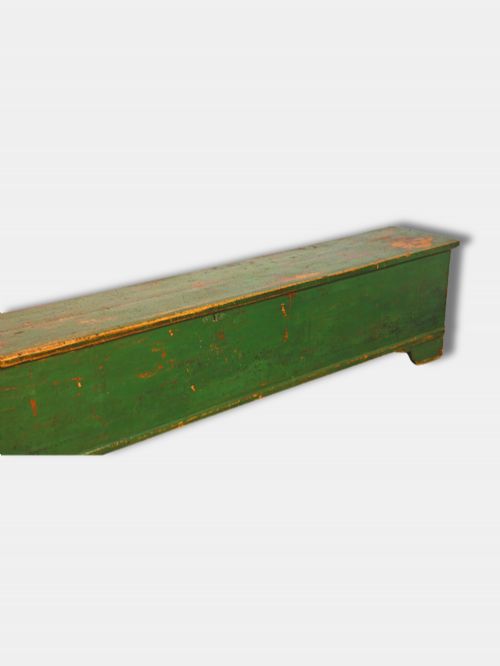
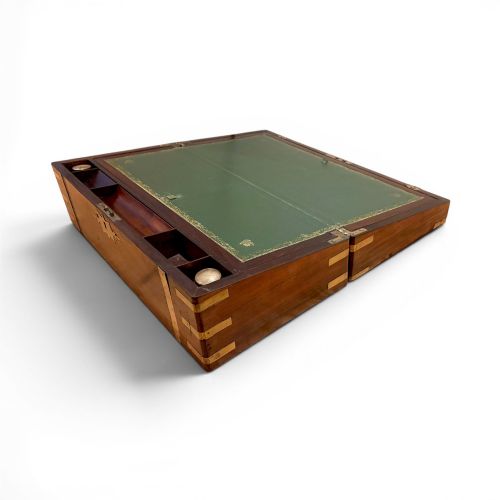
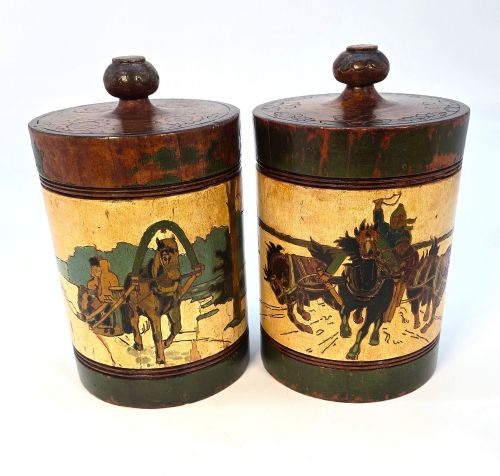
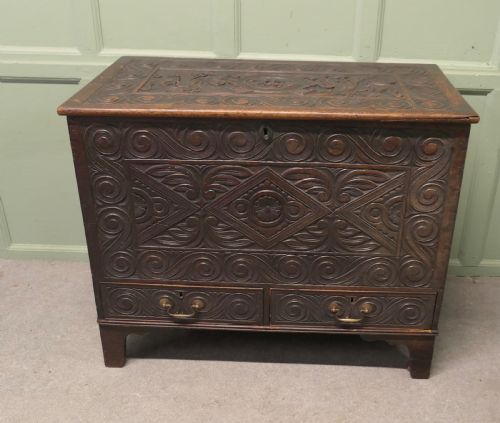
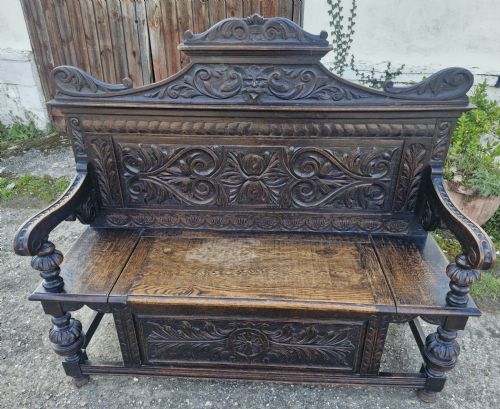
A green wooden box encompasses a diverse group of storage forms, including blanket chests, marriage coffers, writing slopes, and smaller keepsake caskets. When searching for a green wooden box, buyers frequently encounter 19th-century pine examples coated in original or later green paint, alongside polished mahogany and oak pieces from the Georgian and Victorian eras.
The regional origins of these pieces vary widely, drawing from British workshops as well as Scandinavian, Dutch, Hungarian, and Romanian traditions. Painted country pieces sit alongside brass-bound campaign items and refined rosewood or walnut workboxes.
Forms range from large domestic storage chests down to tabletop boxes and fitted cutlery trays, meaning the category serves both functional storage needs and decorative display.
Materials and construction
Makers relied on solid native timbers such as pine, oak, mahogany, and walnut, selecting woods based on the intended function of the piece. Pine served primarily for painted country chests and blanket boxes, while denser hardwoods like mahogany and walnut supported finer dovetailed joinery for writing slopes and jewellery boxes.
Surface treatments define many items in this selection, combining hand-mixed green paint, lacquer, and decorative carving with functional iron strapwork and brass bindings. Dovetail joints, hand-forged hinges, and applied mouldings reveal the hand methods of period carpenters and regional folk craftsmen.
Green Wooden Box Retail Price Guide 2026
Typical asking prices for green wooden box among the pieces listed under this phrase on Sellingantiques today, from the lower quarter to the upper quarter. They describe what is for sale here now, not the wider market.
Listings feature items built from pine, oak, mahogany, walnut, and iron, spanning the Georgian, Regency, and Victorian periods.
Judging quality and character
Quality rests upon the integrity of the original materials and the survival of authentic surface finishes, such as untouched historical green paint or patinated polished hardwoods. Pieces that retain their original working locks, keys, and interior fittings command greater attention from collectors.
Proportion and construction methods also separate standard utility items from finer examples. Hand-cut dovetailing, careful timber selection, and crisply carved details distinguish superior cabinet work from plain vernacular carpentry, though both hold distinct historical appeal.
The Green Wooden Box Glossary
- Campaign chest
- A modular storage chest constructed in sections with recessed brass handles, designed for easy transport by military officers during the 19th century.
- Dovetail
- A traditional wood joint interlocking wedge-shaped fingers, prized for its exceptional strength in box and chest construction.
- Writing slope
- A portable desk featuring a slanted, hinged lid that opens to reveal compartments for stationery, inkwells, and a writing surface.
- Mule chest
- A traditional storage chest featuring one or more drawers beneath the main compartment, bridging the design between a simple coffer and a chest of drawers.
- Treen
- Small handmade wooden domestic objects, such as containers and boxes, collected for their folk art appeal and tactile qualities.
Green Wooden Box: Frequently Asked Questions
How do I clean a painted wooden box?
Dust the surface gently with a dry, soft cloth to prevent scratching the historic finish. Avoid modern chemical cleaners or excessive moisture, which can damage aged oil paint and exposed wood.
Apply a microcrystalline wax sparingly if the unpainted wood appears dry, but leave painted surfaces untouched to preserve their original patina.
What were antique boxes originally used for?
Larger painted chests stored household blankets, garments, and dowry items in domestic settings. Smaller boxes held valuable personal possessions, letters, sewing equipment, or writing materials.
Specialised pieces like campaign chests and writing slopes travelled with military personnel or travellers to maintain administrative order on the move.
How can I date an antique wooden box?
Examine the construction methods, such as hand-cut dovetails, forged iron hardware, and type of secondary wood used inside. Machine-sawn timber and Phillips screws generally point to a later 19th-century or 20th-century date.
Stylistic cues like brass binding, inlay work, and regional paint finishes help narrow the period down alongside any maker marks or stamps.
Are these boxes suitable for daily storage?
Sturdy pine and oak chests provide robust everyday storage for blankets, shoes, and household items. Interior dividers in smaller writing boxes and workboxes suit modern organisation of jewellery or desk accessories.
Care should be taken with delicate painted surfaces or fragile antique hinges to ensure long-term preservation during regular use.