



Green Washstand
A green washstand brings practical history into the home, offering painted pine frames, marble tops, and ceramic sets for daily utility.
Green Washstand
A green washstand encompasses a range of bedroom and bathroom furniture designed for personal hygiene before modern plumbing took over the home. Buyers searching for a green washstand will encounter items spanning the Regency, Victorian, and Edwardian periods up to the nineteen-twenties.
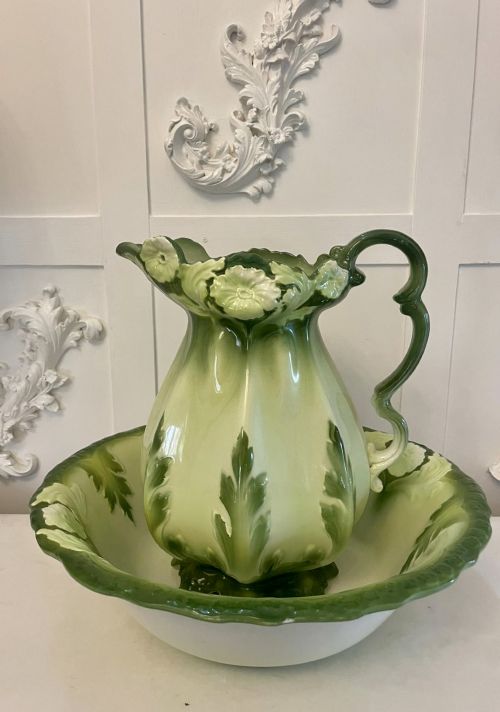
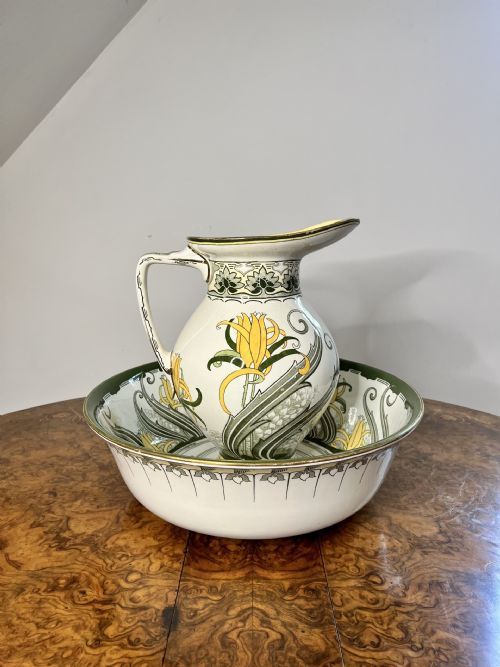
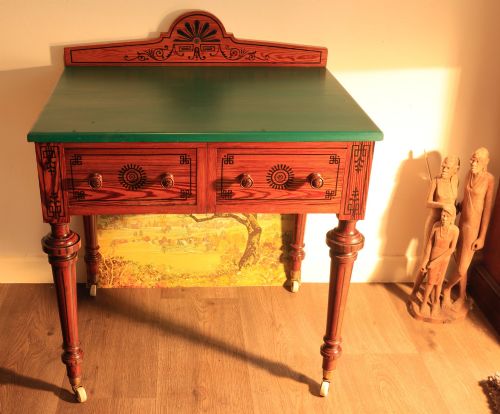
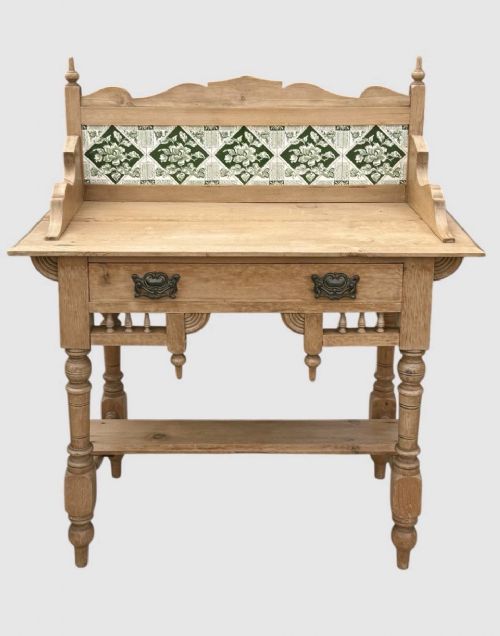
The selections on this page include marble-topped timber cabinets, pine basin stands with tile gallery backs, and ceramic jug and bowl sets. These pieces range from rustic pine units to mahogany frames and glazed earthenware accessories.
Art Nouveau, Arts and Crafts, and Aesthetic Movement styles appear frequently alongside simpler utilitarian forms. Buyers are most likely to meet painted pine washstands or ceramic toilet sets featuring green decoration.
How they were made
Makers constructed these washstands using timbers such as mahogany and pine, often finished with applied green paint or left in their natural state. Marble slabs were fitted to the tops of cabinets to resist water damage during washing.
Ceramic sets utilised earthenware bodies finished with glazes, frequently incorporating transfer-printed or hand-painted green motifs. Brass fittings and glazed ceramic tiles provided durable backsplashes and hardware for daily bathroom use.
Green Washstand Retail Price Guide 2026
Typical asking prices for green washstand among the pieces listed under this phrase on Sellingantiques today, from the lower quarter to the upper quarter. They describe what is for sale here now, not the wider market.
A solitary ceramic chamber pot sits ready for service alongside grand mahogany basin cabinets.
What varies in quality
The grade of materials distinguishes finer examples from utilitarian pieces, such as heavy polished marble tops paired with mahogany frames versus simpler softwood construction. The integration of decorative tiles, brass hardware, and intricate woodwork elevates certain pieces above standard chamber furniture.
Ceramic quality depends on the crispness of the glaze and the clarity of the green decoration on jugs and basins. Finer earthenware sets display uniform firing and detailed botanical or geometric patterns.
Doulon Burslem
The Green Washstand Glossary
- Washstand
- A piece of furniture designed to hold a basin, jug, and water for washing. These units often include storage cupboards or towel rails.
- Jug and bowl set
- A matching ceramic set consisting of a large pitcher and a deep basin used for personal hygiene in bedrooms. They form part of the washstand ensemble.
- Gallery back
- A raised wooden or tiled barrier at the back of a washstand to protect the wall from splashes. Tiles were frequently glazed in green for easy cleaning.
- Earthenware
- A porous type of ceramic fired at lower temperatures, commonly used for chamber pots and wash jugs. It requires a protective glaze to hold water.
- Jardiniere
- A decorative pot or stand for holding plants, sometimes adapted from or related in form to washstand frames of the Regency period.
Green Washstand: Frequently Asked Questions
What is a green washstand?
A green washstand is a piece of antique furniture or ceramic set featuring green paint, tiles, or glaze, designed for bedroom washing before plumbed bathrooms existed.
They range from pine and mahogany basin stands to glazed earthenware jug and bowl sets from the nineteenth and early twentieth centuries.
How were washstands used?
These units held a water jug and basin for morning washing and shaving in bedrooms where running water was absent.
Cabinets and shelves provided storage for soap, chamber pots, and towels while protecting the floor and walls from water splashes.
How do I date a washstand?
Dating relies on timber choices, construction techniques, and decorative styles such as Regency, Victorian, or Arts and Crafts.
Heavier mahogany frames and specific ceramic backstamps or tile patterns help narrow down the period of manufacture.
Can I use an antique washstand today?
Many buyers adapt these stands as side tables, bathroom vanities, or plant display units in modern homes.
Ceramic sets and chamber pots serve well as decorative flower holders or storage containers.