




Green Walnut Side Chairs
These green walnut side chairs bring rich timber tones and enduring form to a room, offering both practical seating and distinct period character.
Green Walnut Side Chairs
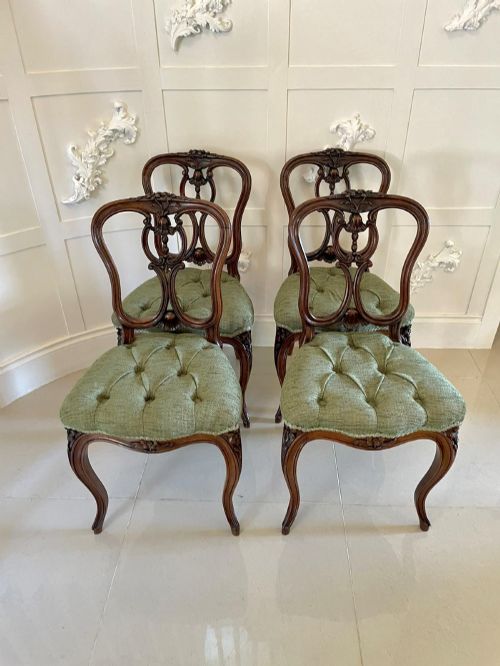
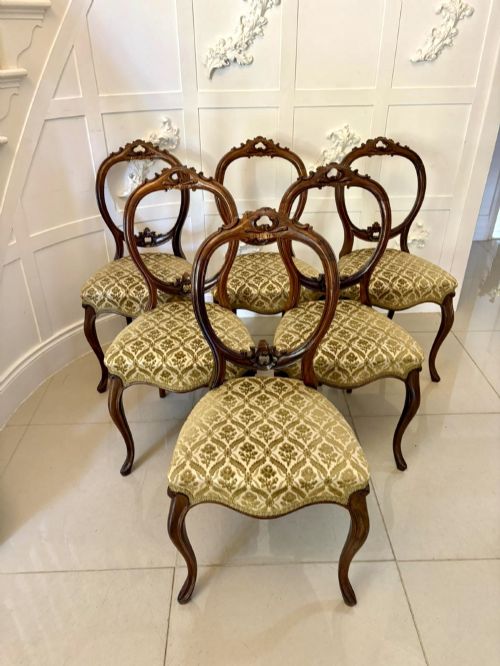
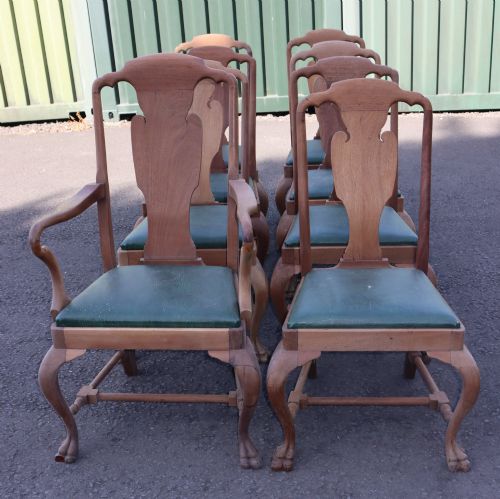
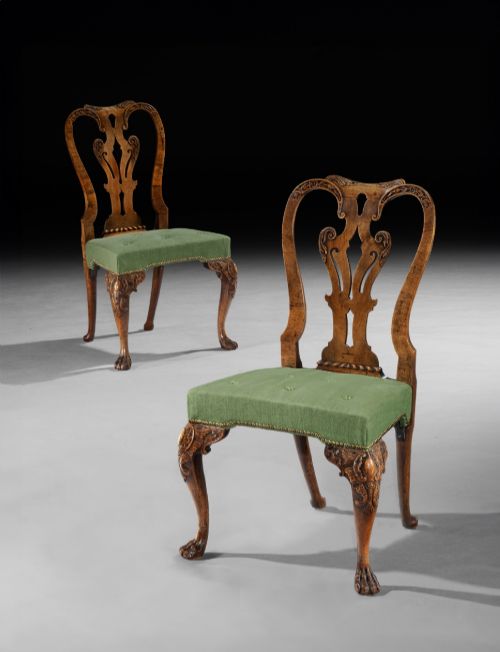
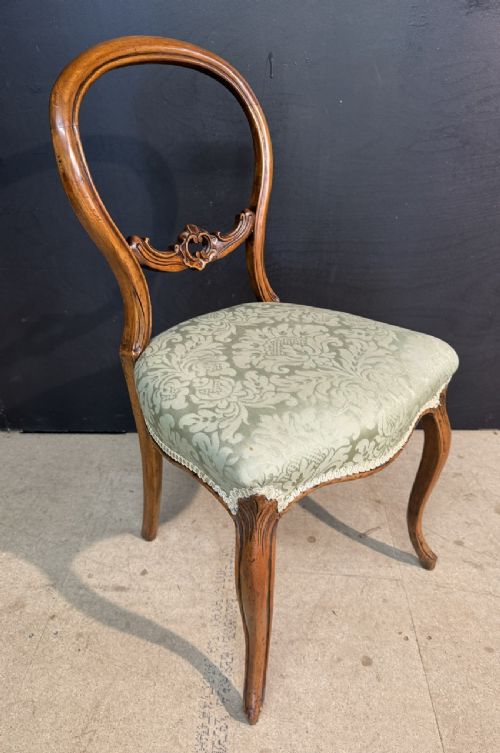
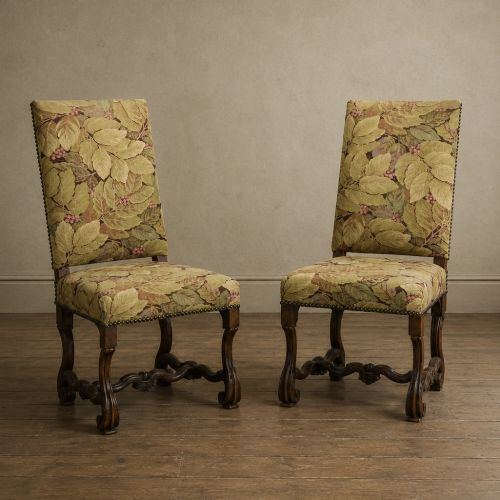
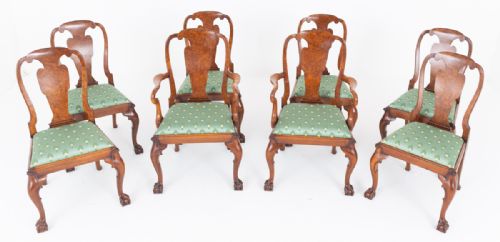
When you search for green walnut side chairs, you are looking at seating fashioned from rich walnut timber, often upholstered in green fabrics such as velvet, damask, or leather. These pieces span several centuries, drawing on Victorian, Georgian, and revival designs.
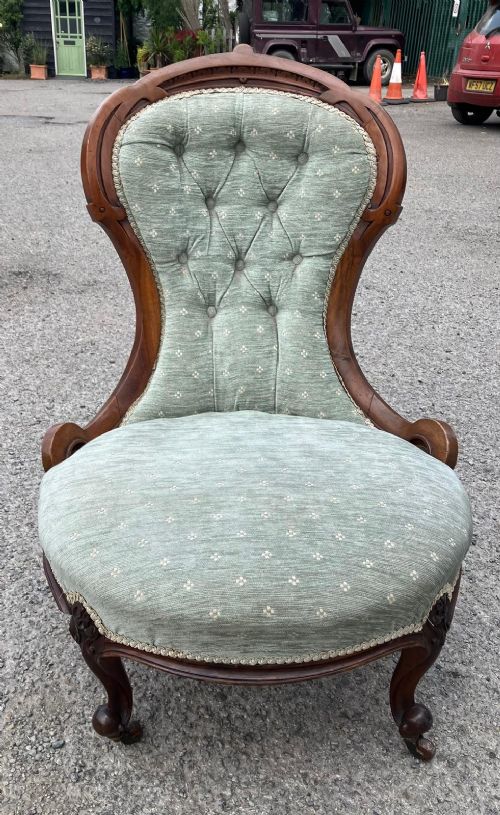
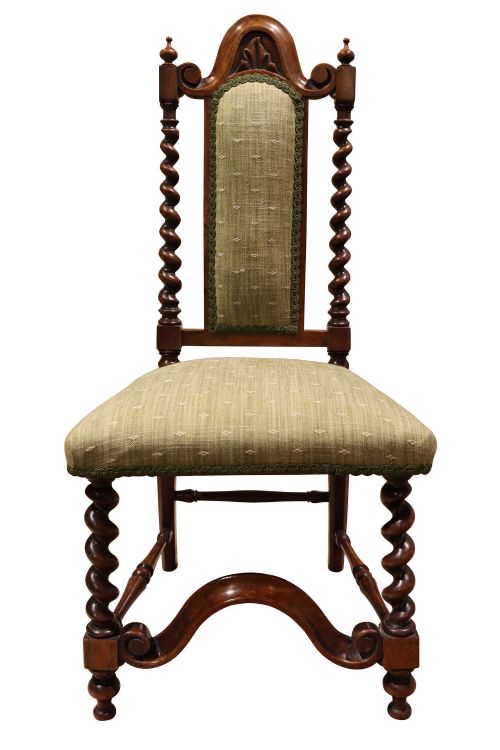
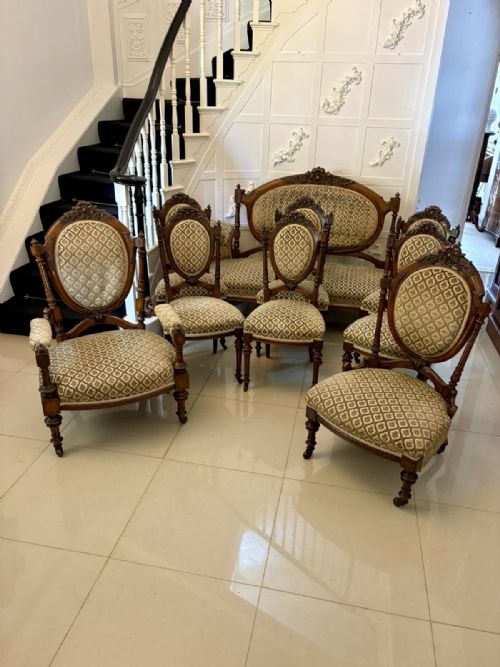
The selection ranges from robust 18th-century country seating to ornate Victorian revival dining chairs and nursing chairs. Many feature carved details, cabriole legs, or barley twist supports, reflecting the decorative tastes of their respective periods.
How they were made
Cabinet makers utilised solid walnut and burr walnut, valued for its deep grain and warm lustre. Timber was shaped using traditional joinery methods, often enhanced with hand-carved ornamentation along the crest rails and cabriole legs.
Upholstery techniques varied by period, employing materials like textile, velvet, damask, and leather secured with brass detailing or traditional webbing. Frames were constructed to withstand daily use while supporting elaborate stylistic revivals.
Listings span the 18th, 19th, and 20th centuries, featuring materials such as walnut, brass, leather, velvet, and damask.
What varies in quality
Quality rests in the crispness of the timber carving and the selection of the walnut grain, where burr veneers indicate a more ambitious commission. The integrity of the frame construction and the proportion of the cabriole legs or turned supports dictate the piece's visual balance.
Matching sets demonstrate greater craftsmanship and uniformity than individual seating. The choice and execution of the upholstery fabric, whether damask, velvet, or leather, further distinguish standard examples from exhibition pieces.
The Green Walnut Side Chairs Glossary
- Cabriole leg
- A furniture leg that bends outward and then tapers downward, typical of Queen Anne and George II designs. This form mimics the curve of an animal's leg.
- Burr walnut
- Timber taken from a tree growth, yielding a swirling and highly decorative grain pattern. Cabinet makers used this veneer on prominent surfaces.
- Barley twist
- A turning technique resembling a twisted rope, popular in 19th-century furniture supports. This detail adds vertical rhythm to chair legs.
- Side chair
- A chair without arms, designed for dining or occasional use around a room. These forms make up the majority of traditional seating arrangements.
Green Walnut Side Chairs: Frequently Asked Questions
How do I clean walnut wood?
Dust the timber regularly with a soft, dry cloth to prevent dirt buildup.
Apply a quality beeswax periodically to nourish the walnut and maintain its natural lustre.
Can I use these chairs daily?
Most period chairs are structurally robust enough for regular sitting when checked for stability.
Consider the weight capacity and the delicacy of older carved joints before placing them in heavy-traffic areas.
What is a nursing chair?
A nursing chair is a low-seated Victorian chair designed for comfort while feeding or tending to infants.
Their shorter legs and supportive upholstered backs also made them popular as bedroom or drawing room seats.
How do I date a walnut chair?
Examine the construction methods, tool marks, and fastening types visible underneath or inside the frame.
Compare the stylistic motifs, such as Gothic revival or Queen Anne cabriole legs, against known period characteristics.