


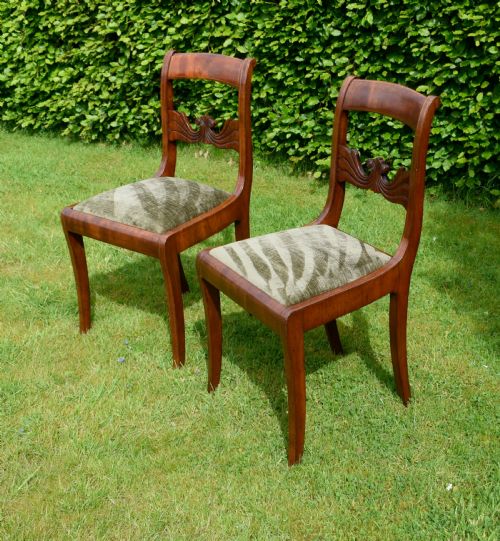
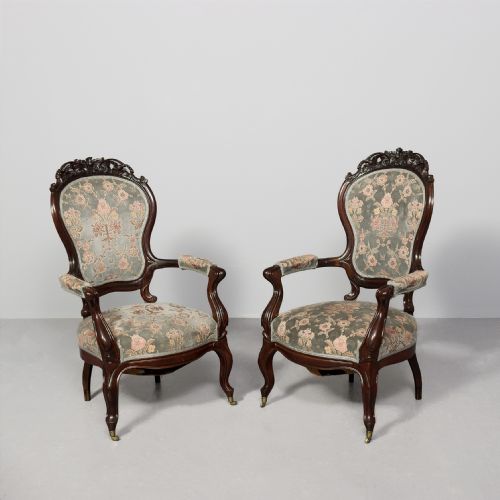


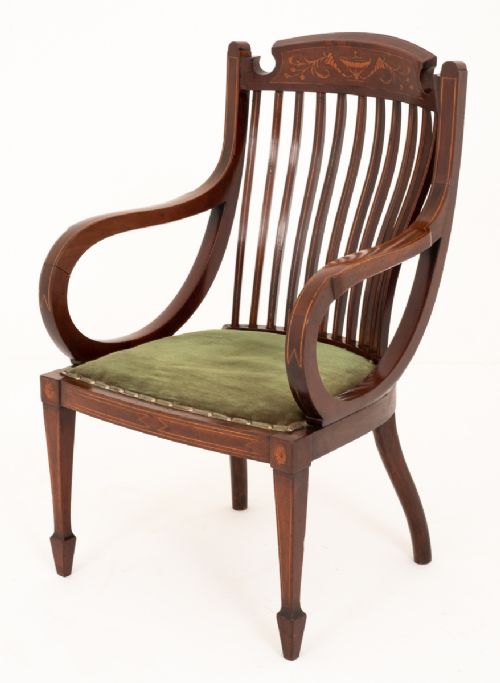


Green Velvet Bedroom Chair
Green velvet bedroom chairs bring rich texture and period character into a room, offering low seats designed for comfort and ease.
Green Velvet Bedroom Chair
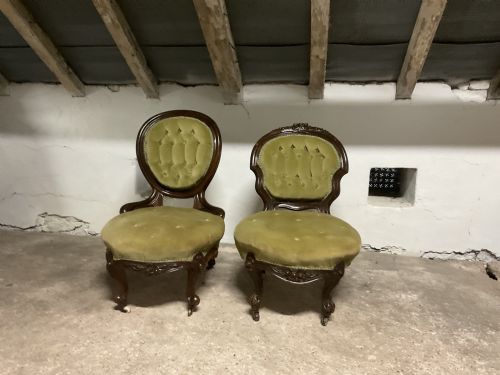
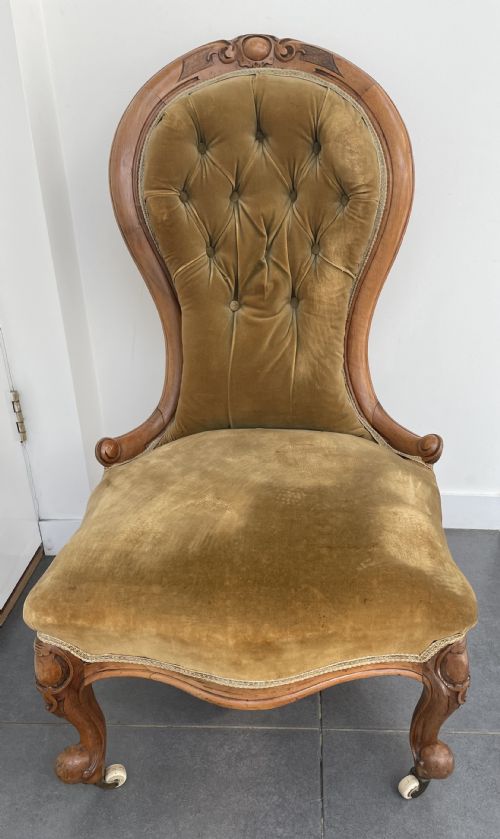
A green velvet bedroom chair encompasses low-slung occasional, nursing, and slipper chairs originating primarily from the Victorian and Edwardian eras, alongside earlier Regency examples. These pieces serve as intimate seating designed for dressing rooms and bedrooms, often featuring compact proportions and supportive backrests.
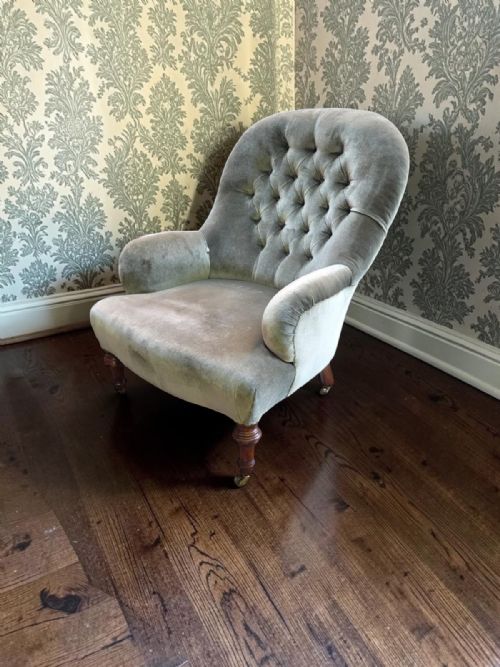
The green velvet upholstery on these chairs ranges from deep sage to rich dark tones, appearing across various forms including button-back armchairs, tub chairs, and open armchairs. Buyers most frequently encounter mid to late Victorian walnut and rosewood frames upholstered or reupholstered in velvet.
Makers designed these items for specific domestic tasks, such as nursing infants or putting on shoes, which accounts for their low centre of gravity and absence of high arms. Their enduring appeal lies in how comfortably they integrate into modern interiors while retaining their nineteenth-century silhouette.
Materials and construction
Frames rely on dense timbers such as mahogany, walnut, rosewood, and satinwood, frequently shaped with hand-carved details or subtle inlay. Joinery techniques from the period ensure sturdy construction, utilising tenons and dowels to support the weight placed on lower frames.
Upholstery relies on traditional stuffing methods paired with velvet fabric, sometimes secured with brass tacks or finished with decorative gimp. Structural mobility often involves brass castors fitted to the wooden legs, aiding movement across carpets and floorboards.
Green Velvet Bedroom Chair Retail Price Guide 2026
Typical asking prices for green velvet bedroom chair among the pieces listed under this phrase on Sellingantiques today, from the lower quarter to the upper quarter. They describe what is for sale here now, not the wider market.
Listings feature woods including mahogany, rosewood, walnut, and satinwood, paired with velvet and fabric upholstery across Victorian, Edwardian, and Regency periods.
Assessing quality and craftsmanship
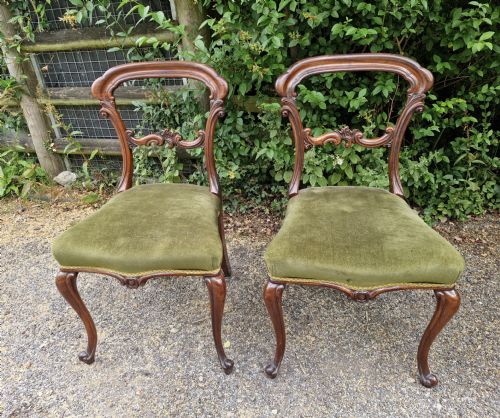
Quality reveals itself in the crispness of the timber carving and the selection of fine wood veneers, where figured mahogany or burr walnut elevates a simple frame. Superior examples display balanced proportions, elegant cabriole or barley twist legs, and harmonious integration between the wooden structure and the upholstered body.
The integrity of the internal stuffing and the neatness of the velvet application dictate the longevity and finish of the seat. Pieces retaining their original configuration alongside well-preserved woodwork command greater interest than heavily altered examples.
The Green Velvet Bedroom Chair Glossary
- Nursing chair
- A low-seated Victorian chair designed without arms to allow women to tend to infants in comfort. These items often feature buttoned backs and slender wooden frames.
- Slipper chair
- An upholstered chair standing low to the ground with no arms, originally intended for dressing rooms. The compact height makes them practical for modern bedroom spaces.
- Cabriole leg
- A furniture leg that curves outward and then tapers inward, finishing in a pad or scroll foot. This shape draws inspiration from animal limbs and appears frequently on mid-nineteenth-century seating.
- Button back
- An upholstery style where depressions are formed in the padding by stitching through to the frame, secured with fabric-covered buttons. This technique provides firm support and distinctive visual depth.
- Barley twist
- A carved wooden furniture leg or stretcher resembling a spiral rope. Craftsmen produced this decorative turning using lathe techniques common during the nineteenth century.
Green Velvet Bedroom Chair: Frequently Asked Questions
What is a green velvet bedroom chair used for?
These low seats function primarily as occasional seating in bedrooms, dressing areas, or sitting rooms. Their compact size makes them suitable for corners where larger armchairs would overwhelm the floor plan.
Historically, specific variants accommodated dressing tasks or nursing children. Today, they serve both practical seating needs and decorative roles within domestic interiors.
How do I date a Victorian bedroom chair?
Dating relies on examining the timber, leg style, and upholstery methods. Early examples from the mid-nineteenth century frequently use rosewood or mahogany with elaborate hand-carved details.
Later pieces often feature walnut frames with turned supports or inlaid satinwood typical of the end of the century. Castors and frame construction also offer clues to the exact manufacturing decade.
Are these chairs comfortable for daily use?
Their low seats and padded backs provide supportive lounging positions suited for reading or resting. The ergonomic design prioritises relaxed postures rather than upright dining support.
Comfort ultimately depends on the condition of the internal webbing and padding. Many period pieces retain supportive springs or firm horsehair stuffing that remains practical for everyday sitting.
How do I clean velvet upholstery?
Velvet requires gentle maintenance to preserve the pile and rich colour. Regular light brushing with a soft-bristled brush removes dust and prevents the fibres from matting down.
Professional cleaning is recommended for deeper marks or stains to avoid damaging the fabric. Avoiding direct sunlight prevents the green dye from fading over time.