



Green Stone Ring
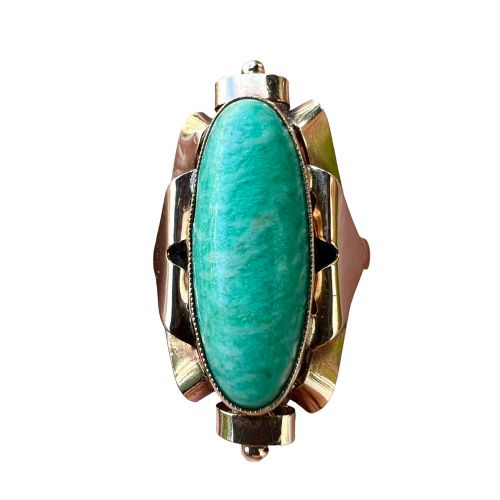
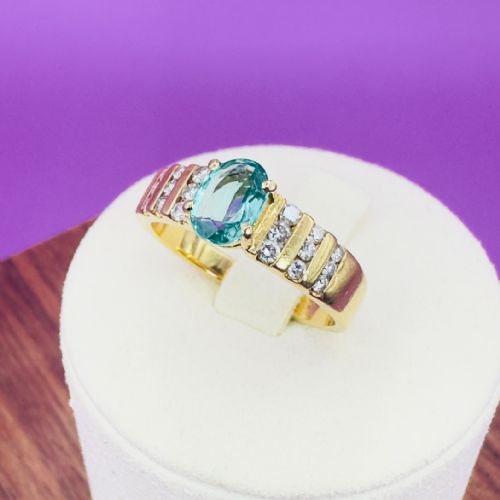
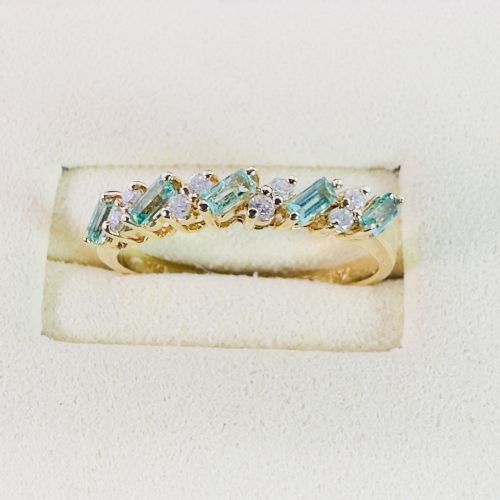
A green stone ring brings together the deep allure of emerald, jade, bloodstone, and chalcedony within enduring precious mountings.
Green Stone Ring
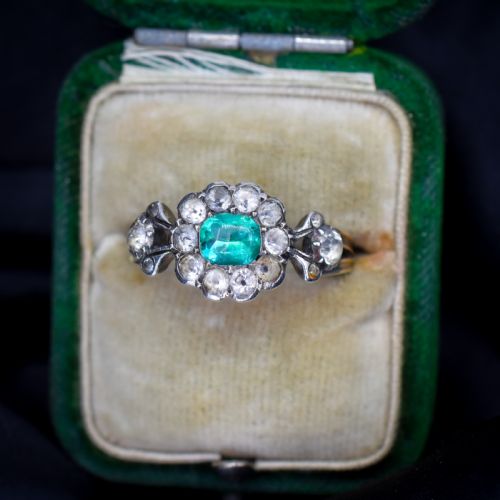
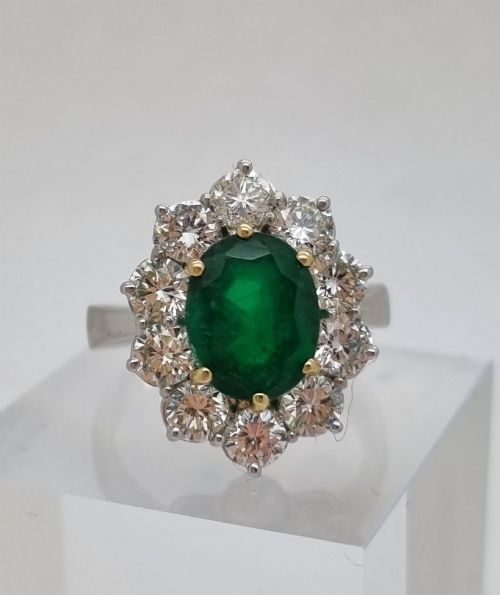
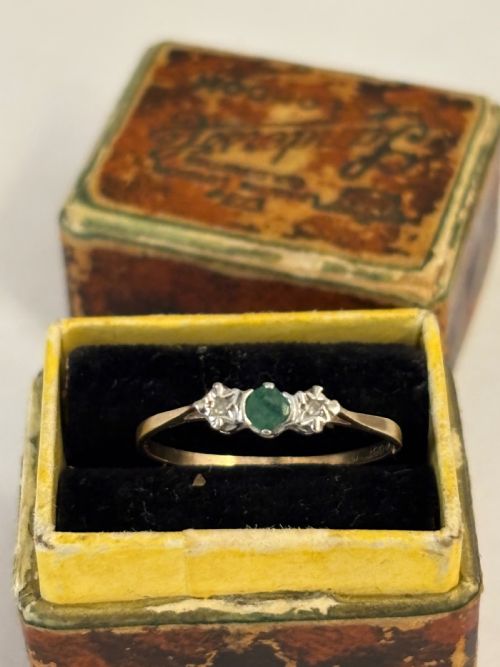
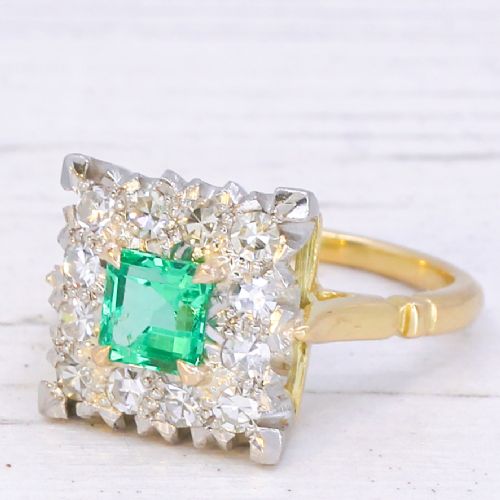
When you search for a green stone ring, you encounter a diverse array of geological specimens set into precious metals across multiple historic periods. The selection spans delicate Edwardian cluster designs, geometric Art Deco platinum settings, and robust mid-century cocktail rings.
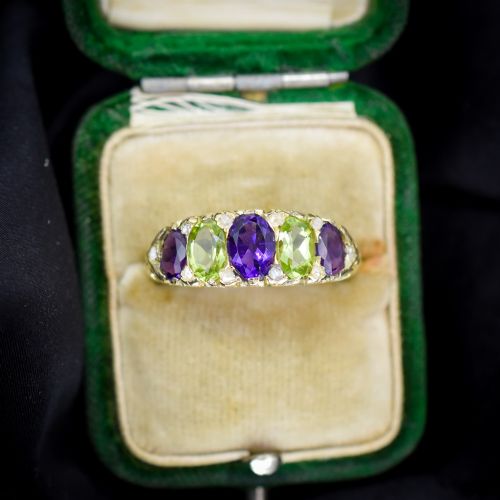
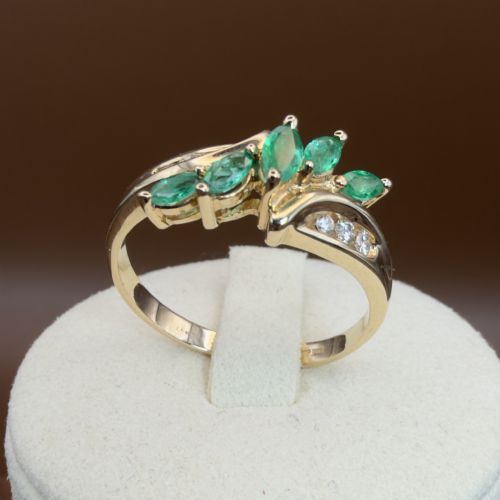
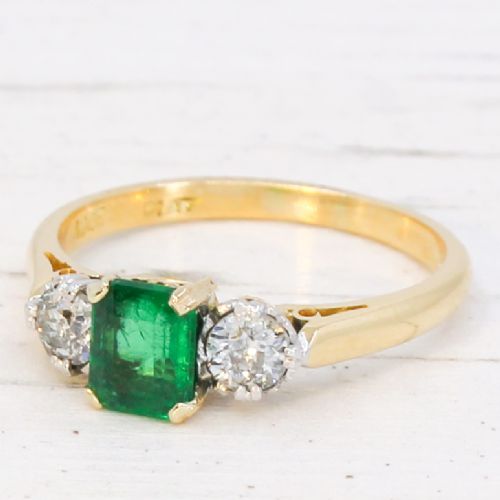
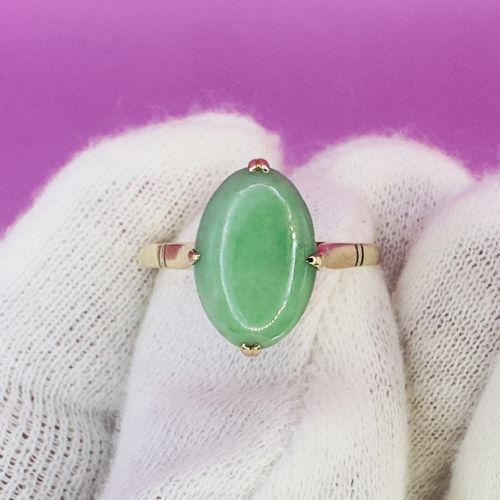
Emeralds dominate the offerings, appearing alongside jade, aventurine, tourmaline, bloodstone, demantoid garnet, and green paste. These stones find themselves housed in yellow gold, white gold, platinum, and silver mountings, often accented by supporting diamonds.
The configurations vary widely from traditional three-stone and five-stone arrangements to elaborate halo clusters, panel rings, and toi et moi styles. Pieces range from the nineteenth century through the 1960s, reflecting changing aesthetic preferences in fine jewellery design.
Materials and Manufacture
Goldsmiths utilise various purities of yellow and white gold alongside platinum and silver to construct the structural foundations of these rings. Precious stones are then secured via prong settings, bezel mounts, or intricate channel work depending on the era.
Lapidary techniques shape the central green minerals into oval cuts, cabochons, marquis cuts, or flat panels. Supporting diamonds are frequently cut in old European, single, or modern brilliant styles to complement the central green gemstone.
Listings feature yellow gold, white gold, platinum, and silver alongside emerald, jade, diamond, and garnet materials.
Assessing Quality
The calibre of a ring depends significantly on the natural origin and clarity characteristics of the central green mineral. Emeralds with minimal oil treatments and intense saturation command greater consideration than heavily included stones.
Structural integrity and the precision of the metalwork also determine excellence. Hand-carved details in jade or well-matched diamond surrounds indicate superior craftsmanship by the jeweller.
The Green Stone Ring Glossary
- Cluster ring
- A setting style where a central stone is surrounded by a halo of smaller gems, typically diamonds, to increase visual impact.
- Cabochon
- A gemstone shaped and polished with a smooth, rounded convex surface rather than faceted planes.
- Toi et moi
- A ring design featuring two main stones positioned side by side, symbolising two souls intertwined.
- Paste
- Hand-cut glass utilised in historic jewellery to imitate precious gemstones.
Green Stone Ring: Frequently Asked Questions
What periods do these rings come from?
The pieces span from the nineteenth century through the Edwardian era, Art Deco period, and into the mid-twentieth century.
Each period brings distinct mountings and gemstone cuts characteristic of its respective decade.
Which green stones are most common?
Emerald is the most frequently encountered green stone, appearing in various carat weights and treatments across multiple decades.
Other materials such as jade, tourmaline, bloodstone, chalcedony, and demantoid garnet also appear regularly.
Are diamonds typically included?
Many of the rings incorporate diamonds alongside the primary green stone, particularly in cluster, trilogy, and halo configurations.
These supporting diamonds range from old mine cuts in earlier pieces to modern cuts in later twentieth-century examples.