



Green Still Life
Green still life paintings capture domestic scenes of fruit, flowers and vessels across diverse historical periods.
Green Still Life
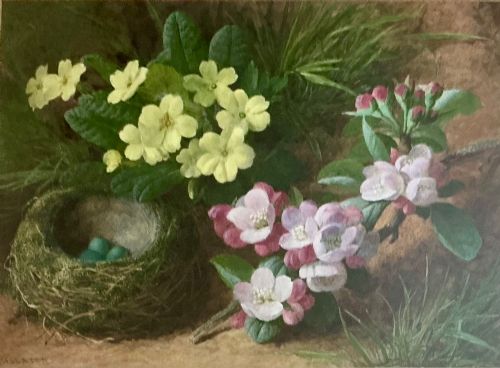
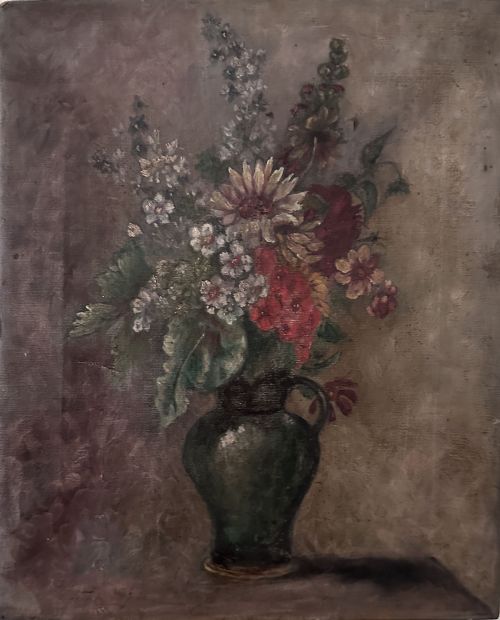
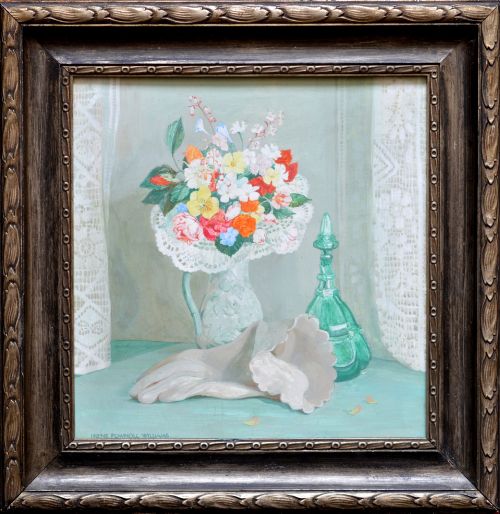
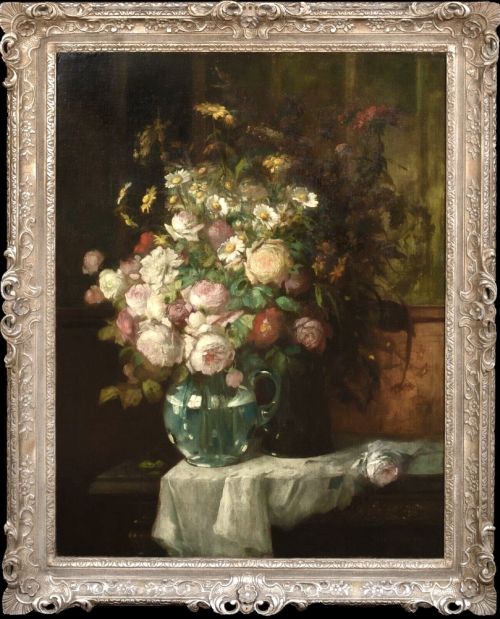
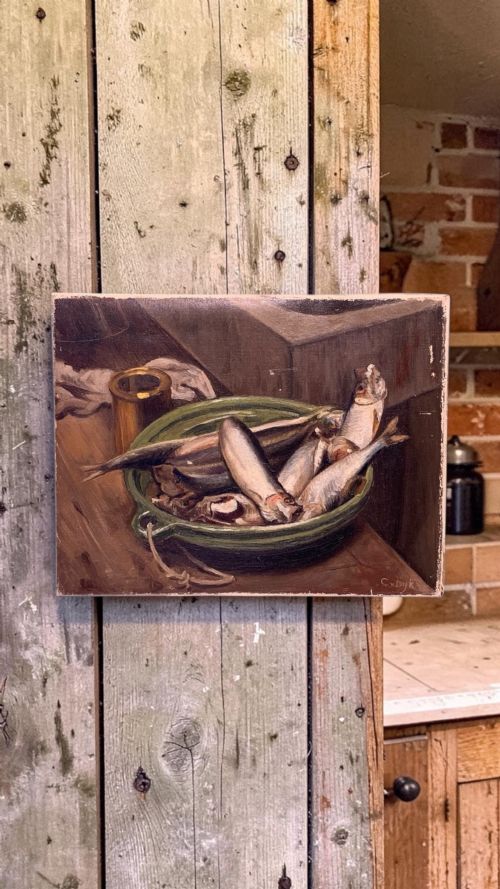
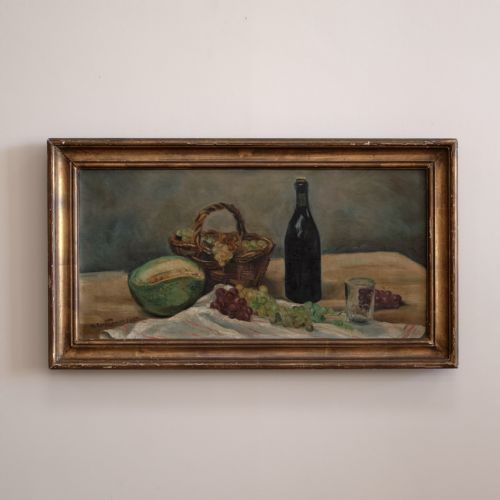
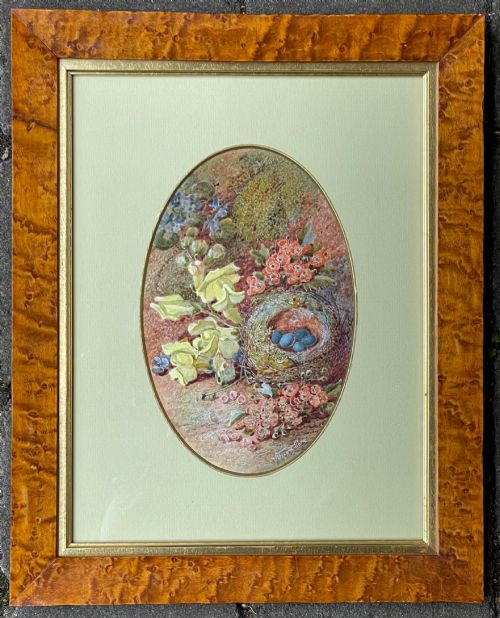
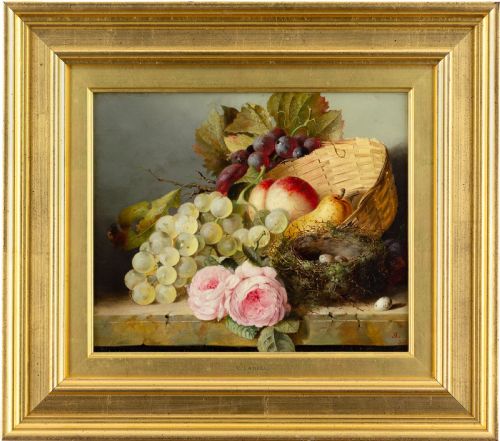
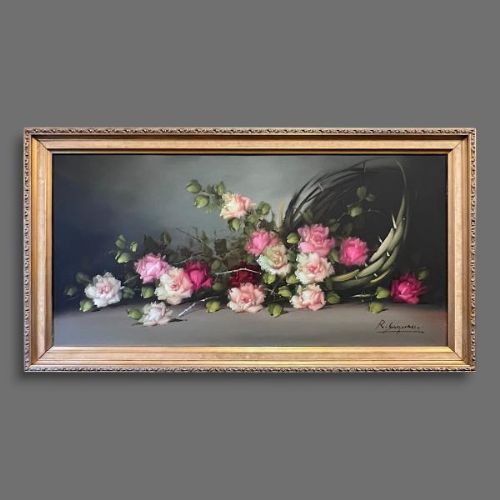
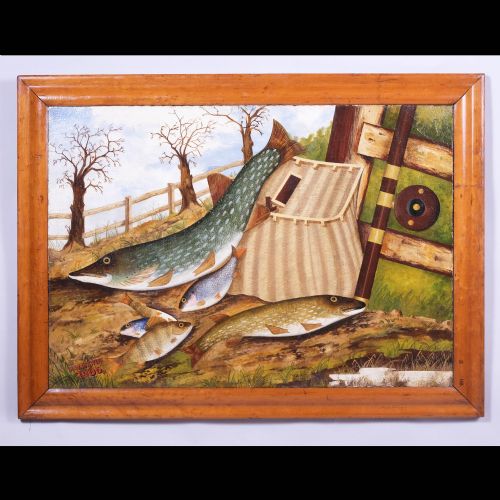
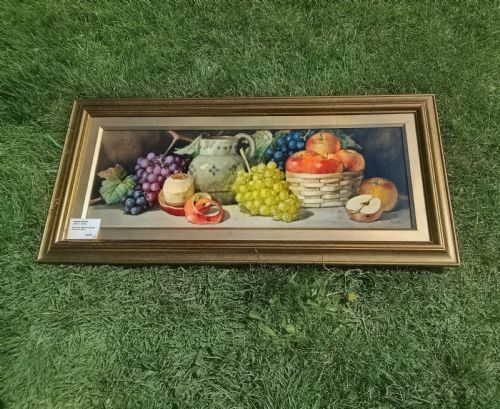
A green still life comprises oil and watercolour paintings depicting inanimate subject matter such as floral arrangements, fruit and fish. These works emerge from periods spanning the nineteenth century through the mid-twentieth century.
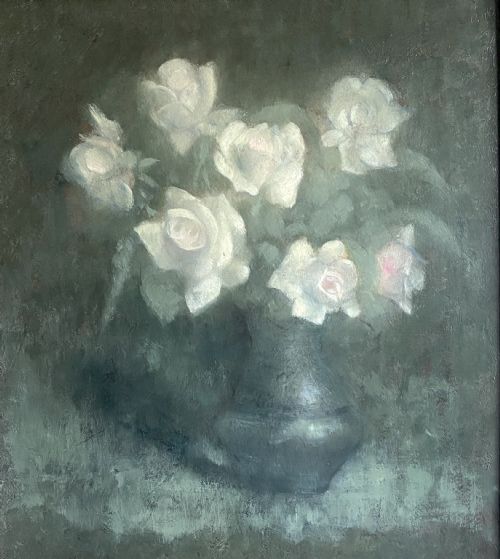
The version most commonly met on this page is the oil painting on canvas or wood panel, often presenting floral arrangements in vases or baskets. Examples range from Victorian naturalism to mid-century modern and impressionist compositions.
Materials and construction
Artists painted primarily with oil or watercolour upon stretched canvas, wood panels, paper or oil boards. Canvases and panels frequently sit within solid wood period frames.
Techniques vary from detailed Victorian realism to impressionist brushwork, tempera on panel, and lightly cubist oil applications.
Green Still Life Retail Price Guide 2026
Typical asking prices for green still life among the pieces listed under this phrase on Sellingantiques today, from the lower quarter to the upper quarter. They describe what is for sale here now, not the wider market.
Listings feature works spanning the nineteenth century, Victorian era, Edwardian period, and mid-century modern twentieth century.
Distinctions in quality
Quality rests upon the execution of form, depth of colour, and the handling of light within the composition. Masterful brushwork distinguishes accomplished hand-painted canvases from simpler decorative studies.
The integrity of the original wood frame and the preservation of the painted surface contribute significantly to the standing of a piece.
Irene Christobelle Pownoll Williams·Vincent Clare·Konstantin Stoitzner·Edward Ladell·Gaspar Peeter Verbruggen·Arthur Dudley·Owen Bowen·Denis Mitchell·Barbara Hepworth·James Tower·Henrietta Creswell·Henri Joseph Pauwels·Paul Lelong·William Duffield·William Hough·Harry Davis·John Gilbey Bowles·Thomas Hooper·Henry Schouten·Richard Budd·Georgio de Chirico·Emily Selinger
The Green Still Life Glossary
- Oil paint
- Pigment mixed with a drying oil, commonly linseed, utilised on canvas or wood panels. This medium allows for rich blending and deep colour saturation.
- Watercolour
- Pigment suspended in water-based solution applied to paper. It produces translucent washes and delicate paper works.
- Tempera
- A permanent, fast-drying painting medium consisting of coloured pigment mixed with a water-binder agent, frequently applied to wood panel.
- Impressionism
- A style involving thin, yet visible brush strokes and an emphasis on accurate depiction of light. This approach appears across nineteenth and twentieth century listings.
Green Still Life: Frequently Asked Questions
What subjects appear in green still life?
These works depict floral arrangements in vases or wicker baskets, bowls of fruit, fish, game and domestic objects.
Compositions range from traditional nineteenth century naturalism to mid-century European studies and twentieth century interpretations.
How do I identify the period?
Dating relies upon canvas preparation, framing styles, artist signatures and stylistic traits such as Victorian naturalism or mid-century modern composition.
Materials like oil on wood panel or watercolour on paper also offer chronological indicators.
Where were these paintings produced?
Origin locations span British, French, Dutch, Austrian and European schools of painting.
Regional academies and movements, including the St Ives School, influenced the creation of these works.
How should I display a painting?
Pieces housed in solid wood period frames require placement away from direct sunlight and excessive moisture fluctuations.
Canvas works benefit from stable indoor wall environments that preserve both the support and the pigment.