
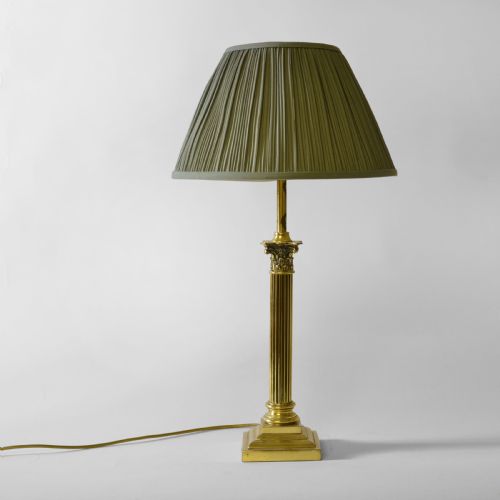


Green Shade Brass Lamps
Green shade brass lamps bring together adjustable metal work and painted or glass shades for focused illumination.
Green Shade Brass Lamps
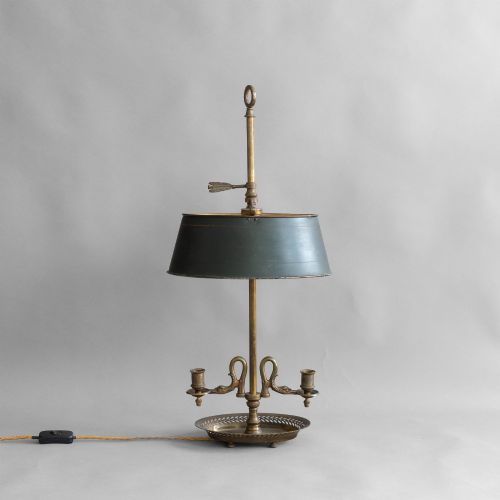
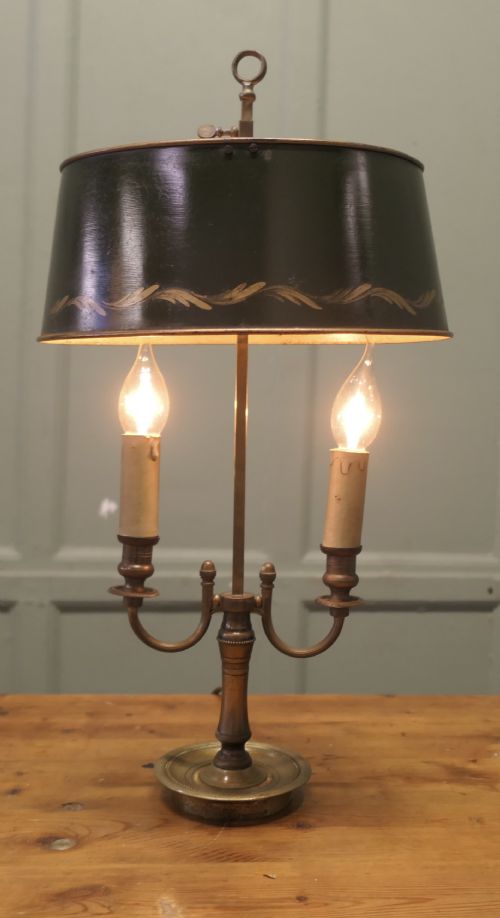
Victorian and Edwardian examples dominate the selection, featuring classic columns, oil lamp conversions, and adjustable mechanisms. French country and bouillotte styles appear frequently alongside English column designs and desk lamps.
Materials and Construction
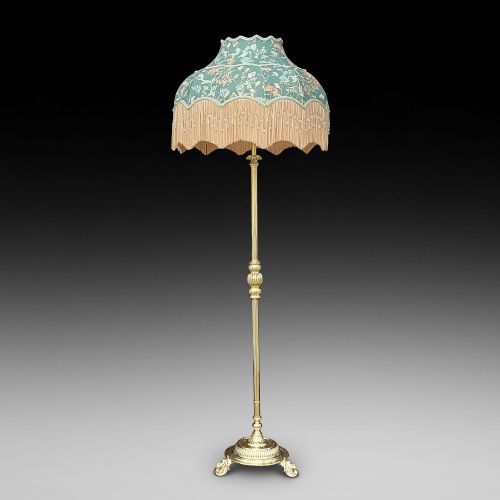
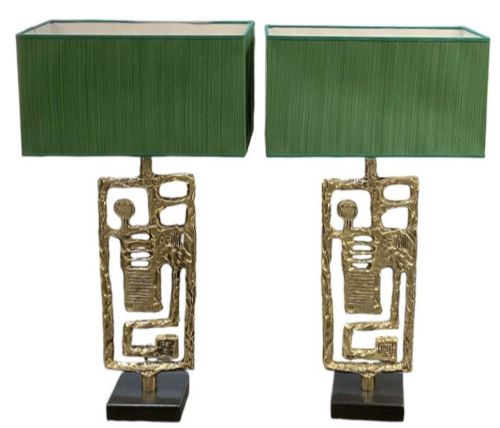
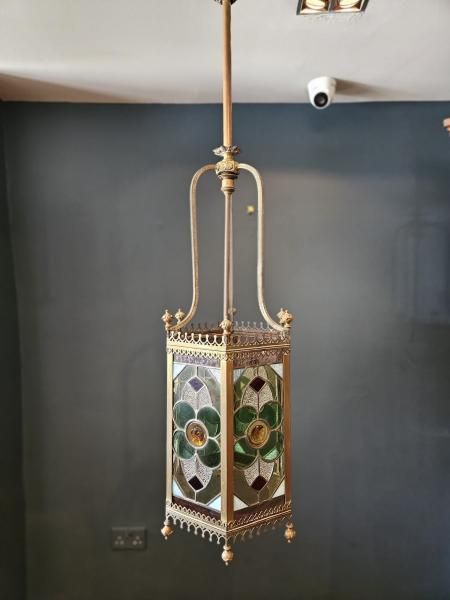
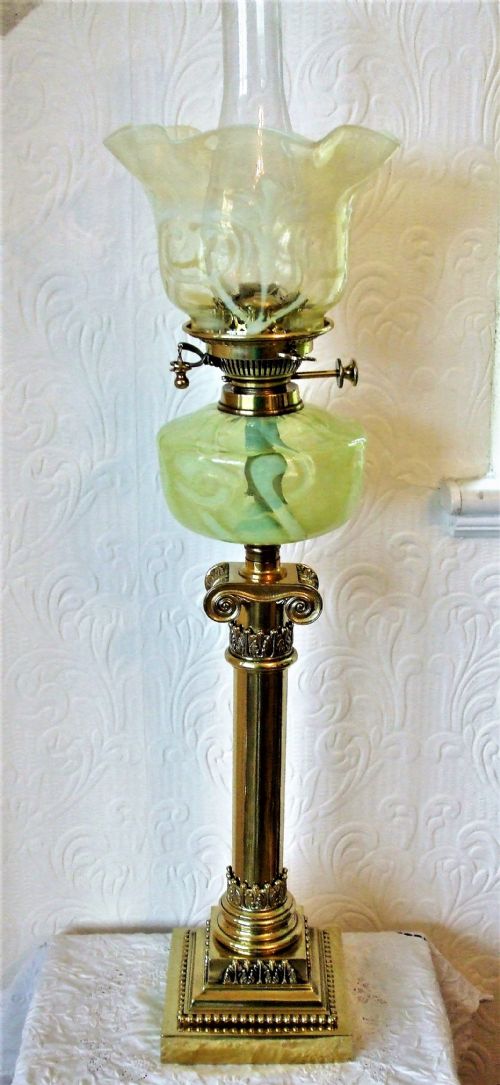
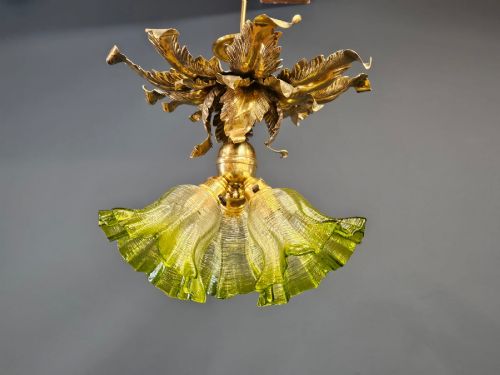
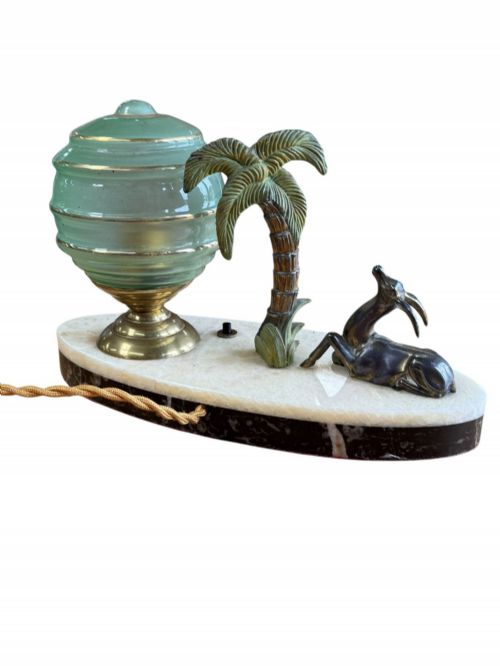
Makers utilised solid brass and gilt metal for structural columns, bases, and arms, often incorporating cast details such as Corinthian capitals or animal motifs. Patinated surfaces show the natural ageing of the metal over decades of use.
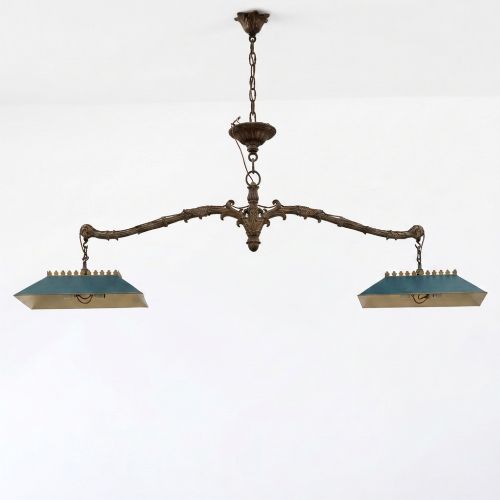
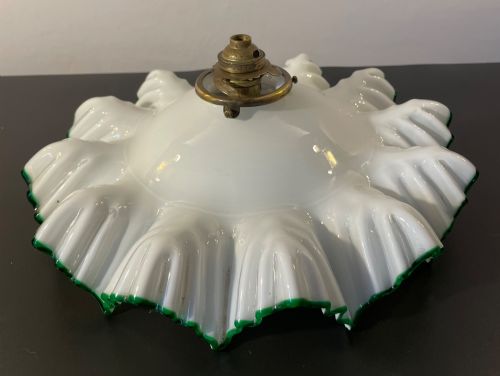
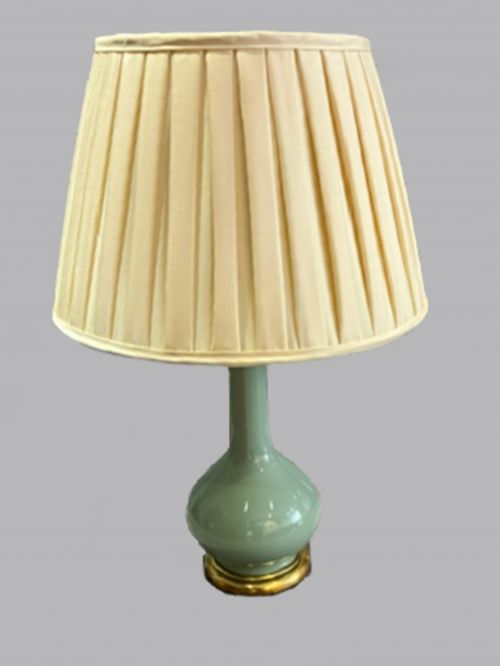
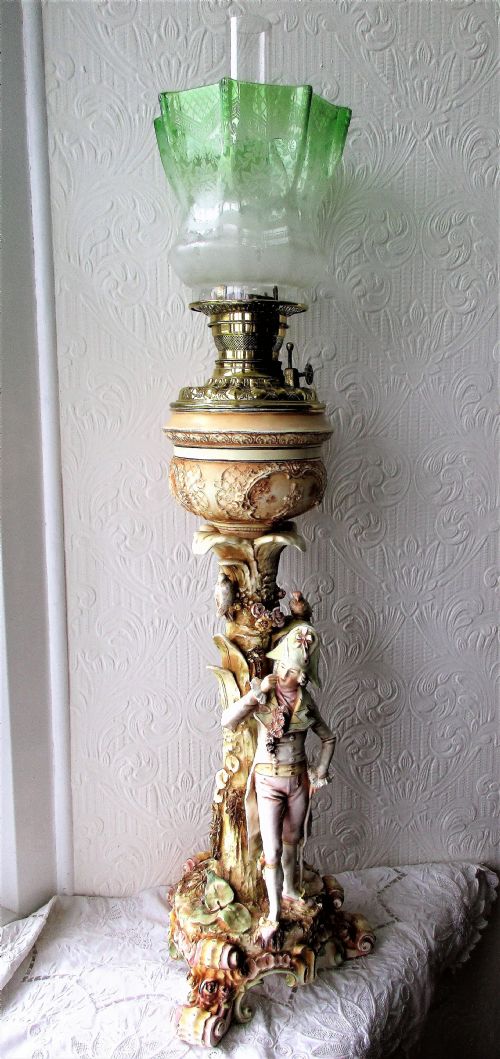
Shades utilise painted toleware in green tones, moulded glass, or delicate fabrics to diffuse the light downwards. Ceramic, porcelain, and marble elements frequently form the bodies of table lamps alongside the primary brass framework.
Several Victorian reading lamps include tiny candle shades designed specifically for early microscopy work.
Assessing Quality and Execution
The weight and gauge of the brass distinguish heavy cast pieces from lighter stamped alternatives. Superior examples retain original components, such as weighted bases, period burners, and matching painted tole or glass shades.
Fine craftsmanship shows in the crispness of cast details like Corinthian columns, rams' heads, and leaf designs. Original patination and signed maker components further separate standard production items from high-grade workshop pieces.
Angelo Brotto for Esperia·M Pillischer of London·Messenger
The Green Shade Brass Lamps Glossary
- Bouillotte lamp
- A traditional desk or table lamp featuring a central standard, multiple candle arms or bulb holders, and an adjustable painted metal shade. The design derives from an eighteenth-century card game.
- Toleware
- Tinplate or sheet metal that has been painted and lacquered, typically in dark green with gilded accents. It provides durable and attractive shades for desk and bouillotte lighting.
- Duplex burner
- A double-wick mechanism used on nineteenth-century oil lamps to increase illumination. It represents a significant technological advancement in domestic lighting.
- Corinthian column
- An architectural column style featuring ornate acanthus leaves on the capital. Victorian lamp makers frequently adopted this classical form for brass table lamps and oil standards.
- Peg lamp
- A small oil lamp font fitted with a peg at the base to sit inside a separate candlestick or stand. These versatile pieces combine ceramic or glass fonts with metal supports.
Green Shade Brass Lamps: Frequently Asked Questions
How do I date a brass lamp?
Dating relies on examining the construction methods, switch types, burner mechanisms, and stylistic clues inherent to the piece. Victorian and Edwardian examples often display cast columns or conversion fittings from oil to electricity.
Matching the materials, such as early toleware shades or marble bases, helps narrow the decade of production. Examining the wiring and internal components also provides useful context for age.
Can old oil lamps be used safely?
Many nineteenth-century oil lamps undergo professional conversion to electricity while retaining their original burners, reservoirs, and decorative brass columns. This allows historical lighting to function safely in modern domestic settings.
Qualified electricians should inspect older internal wiring and fittings to ensure compliance with contemporary safety standards before regular use.
What is a bouillotte lamp used for?
Bouillotte lamps originally provided focused task lighting for card players gathered around a table. The adjustable shade allowed users to direct the light downward onto the playing surface.
Today, these lamps serve primarily as desk lighting or decorative accent pieces in studies and living spaces.
How should I clean polished brass?
Maintenance depends on whether the brass retains an aged patina or has a bright lacquered finish. Gentle dusting with a soft cloth prevents dust accumulation without disturbing historical patination.
Harsh chemical cleaners strip the natural aged surface and should be avoided in favour of mild soapy water for glass or tole shade components.