






Green Patina Sculpture
A green patina sculpture brings deep verdigris and oxidized metal tones into a room, offering tactile historical character that draws the eye.
Green Patina Sculpture
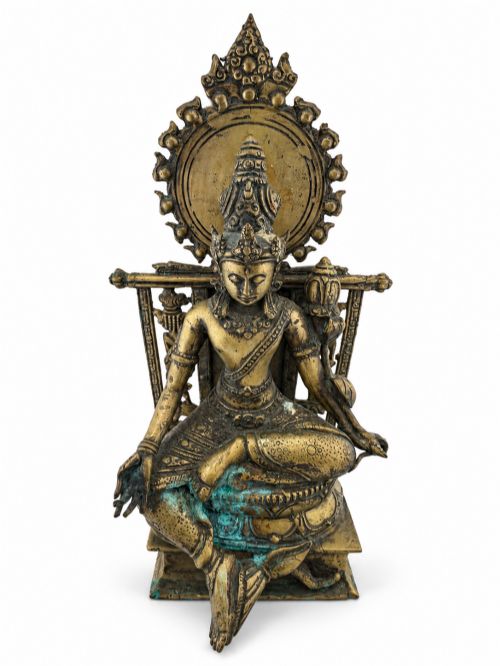
A green patina sculpture encompasses figures, deities, and animals finished with distinct oxidised surface treatments. When you search for a green patina sculpture, you find works ranging from religious deities to Art Deco animals and Grand Tour figures. The selection includes cast metals finished deliberately to simulate age or weathered by time.
The pieces on this page span diverse cultural traditions, including Tibetan shrines, Japanese garden okimono, and West African Yoruba art. European animalier bronzes and Art Deco spelter figures also feature prominently alongside Asian Buddhist statuary. Each piece carries the distinct stylistic hallmarks of its period of origin, from the Victorian era to the mid twentieth century.
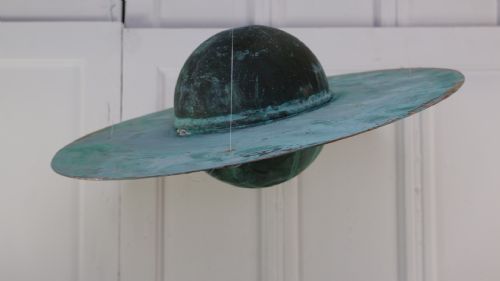
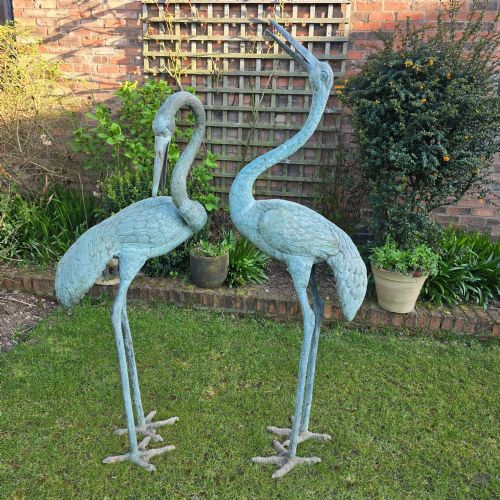
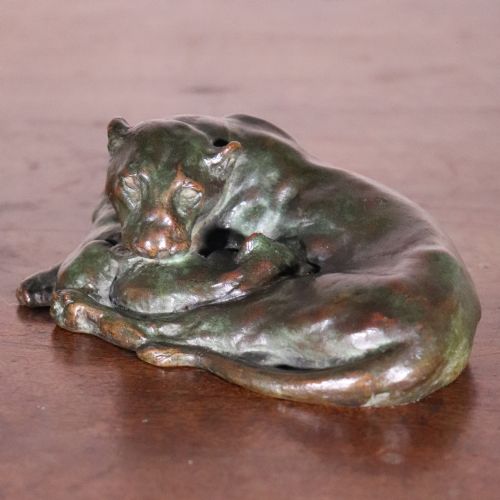
Forms vary from monumental temple bronzes and garden statues to small desk ornaments and paperweights. A buyer encounters standing deities, seated buddhas, crouching animals, and hanging sculptures. The unifying element is the distinctive green surface finish applied to or developed upon the base metal.
Defining quality in patinated sculpture
The reputation of the foundry and the clarity of the signature also separate standard commercial pieces from exceptional works of art. Master founders achieved subtle tonal gradations across the surface of the metal, creating a convincing sense of age and depth. The integrity of the underlying alloy and the stability of the verdigris layer determine the long term character of the piece.
Materials represented in these collections include traditional bronze, copper alloy, brass, spelter, marble, and wood.
Anna Vaughn Hyatt Huntington·Ugo Cipriani·A L Barye·Barbedienne·C Masson·Plagnet
The Green Patina Sculpture Glossary
- Patina
- The chemical change on the surface of bronze, copper, or brass caused by age, exposure, or deliberate treatment. This surface oxidation produces the characteristic green or dark tones valued by collectors.
- Spelter
- A zinc-based alloy commonly used as a less expensive alternative to bronze during the nineteenth and twentieth centuries. It accepts patination and metallic paint finishes well.
- Animalier
- A nineteenth century artistic movement focused on the realistic depiction of animals, particularly predators and hounds. French sculptors frequently employed this style.
- Okimono
- A Japanese term for a decorative object or carving designed for display in a domestic interior. These figures often depict animals, deities, or historical figures in cast bronze.
- Lost wax casting
- A traditional method of metal casting where a molten metal is poured into a mould that has been created by means of a wax model. This technique permits high fidelity to the original sculptor's work.
Green Patina Sculpture: Frequently Asked Questions
How do I clean a green patina sculpture?
Dust the surface gently with a soft, dry brush to remove particulate matter without disturbing the oxidized layer. Avoid chemical cleaners, water, or abrasive cloths that can strip away historical patination.
Apply a microcrystalline wax very sparingly if the metal requires protection from atmospheric moisture. Professional conservation is recommended for valuable pieces showing active corrosion.
Is the green colour natural or artificial?
The green surface results from either centuries of natural oxidation in the earth or deliberate chemical treatments applied by the foundry. Both processes produce stable copper carbonates that protect the underlying metal from further deterioration.
Distinguishing between natural age and artificial patination requires examining how the colour settles into the recesses and crevices of the cast.
How can I tell bronze from spelter?
Bronze is heavier, colder to the touch, and rings with a clear tone when gently struck. Spelter is a zinc alloy that feels lighter and softer, often showing grey metal underneath surface wear.
Art Deco figures frequently utilised spelter, while earlier grand tour and religious figures tended to use copper alloys and bronze.
Where should I display my sculpture?
Place the piece on a stable surface away from direct sunlight, high humidity, and extreme temperature fluctuations. Stable indoor environments prevent moisture from destabilising the metal and its surface finish.
Ensure the display location supports the weight of the piece, particularly for large garden statues or monumental temple bronzes.