

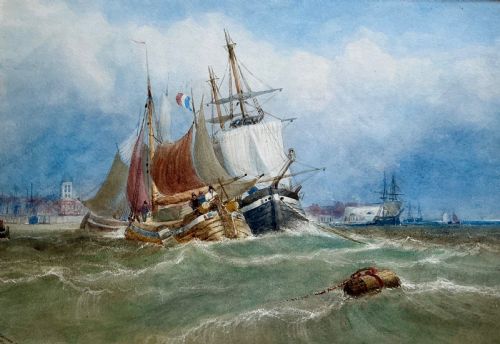


Green Paper Landscape Art
Green paper landscape art captures rural scenes and coastal views through delicate watercolours and mixed media works created across the nineteenth and twentieth centuries.
Green Paper Landscape Art
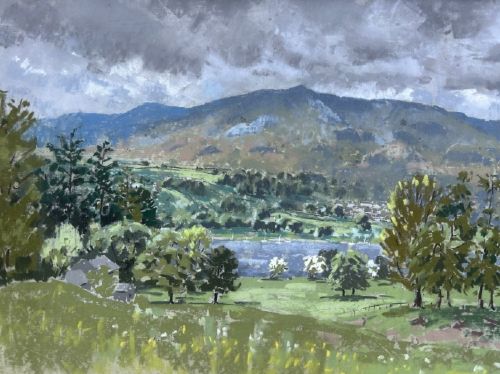
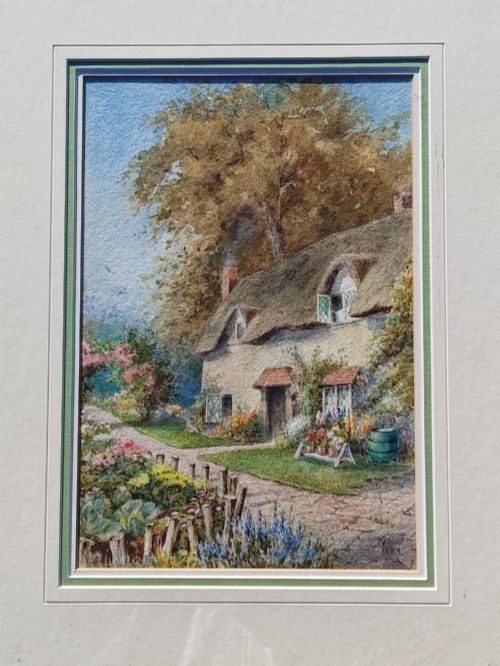
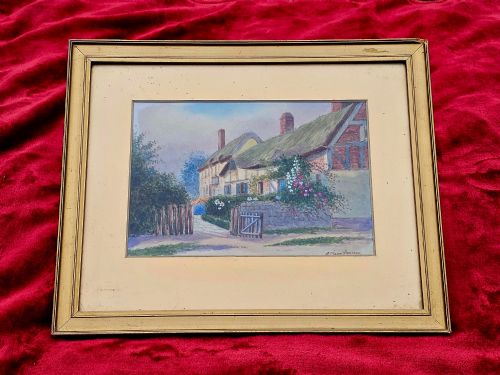
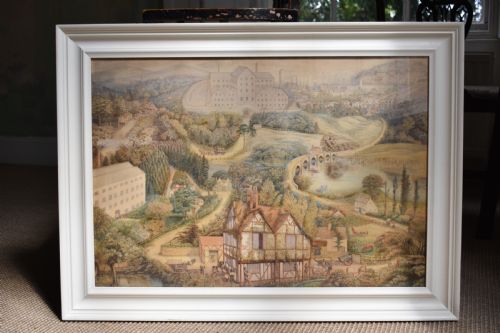
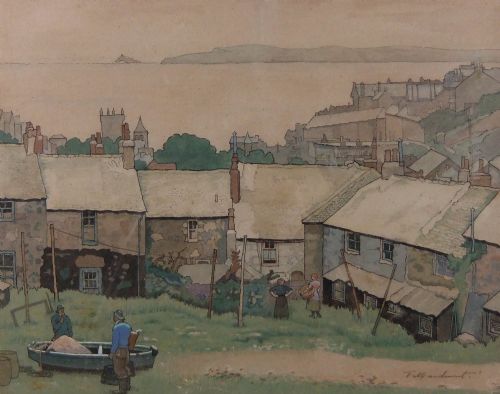
Green paper landscape art comprises framed watercolours, gouache paintings, and ink drawings depicting rivers, cottage gardens, and pastoral fields. These pieces frequently date from the Victorian and Edwardian eras, extending through the interwar years and mid-century movements.
The works originate predominantly from British and European regional schools, capturing specific localities from Yorkshire to the Thames Valley. Painters utilise the paper surface to anchor rural and coastal subjects within traditional compositional frameworks.
Materials and execution
Artists executed these landscapes primarily using watercolour pigment and ink applied directly to paper sheets. Many examples feature delicate washes that allow the underlying tone of the paper to influence the final atmospheric effect.
Framed behind glass within wooden mouldings, these works rely on paper supports that require stable environmental conditions to prevent degradation. Mixed media compositions occasionally incorporate gouache or pastel to build texture across the landscape.
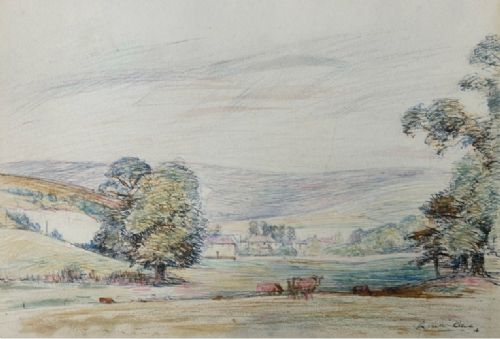
Several charming watercolours preserve the quiet dignity of nineteenth-century cows standing knee-deep in sleepy river backwaters.
Factors determining quality
Superior examples demonstrate confident brushwork and precise topographical detail that firmly identify the specific location and period. The handling of light and atmospheric depth distinguishes accomplished regional painters from routine commercial illustrators.
The integrity of the original paper support and the vibrancy of the pigments influence overall desirability. Pieces preserved with minimal fading and housed in period wooden frames retain greater visual fidelity.
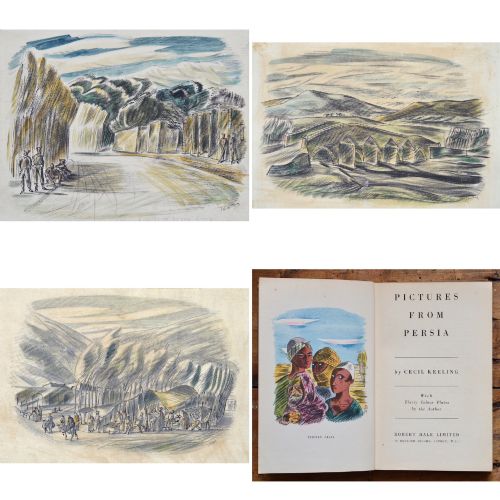
Cecil Keeling·Alfred Young Nutt·William Joseph Boyes·Thomas Maidment·Henry Barlow Carter·Thomas Cooper Moore·Philip Richard Morris·Edgar Woollatt·Henry John Kinnaird·William Hoggatt·Percy Robertson·Henry Bailey·Theresa Stannard·Linnie Watt·Owen Bowen·Henri Joseph Harpinies·Harold Lawes·Frederick G. Coulridge·Lilian Stannard·John Edward Bale
The Green Paper Landscape Art Glossary
- Watercolour
- A painting method in which the paints are made of pigments suspended in a water-based solution. This technique allows for transparent washes of colour that interact with the white or tinted paper beneath.
- Gouache
- An opaque water-based paint that includes a binding agent and chalk, producing a heavier finish than standard watercolour. Artists utilise it to introduce solid highlights and dense opaque areas into landscape compositions.
- Collotype
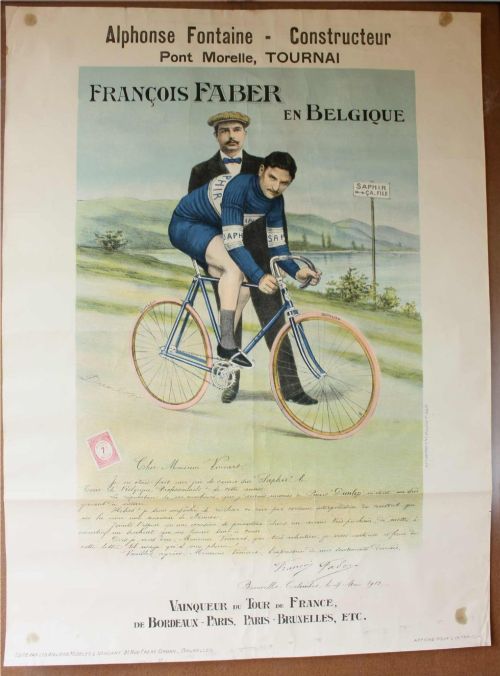
- A planographic printing process that uses gelatin and light-sensitive dichromate to reproduce continuous tone images. It gained popularity for art prints and postcards during the late nineteenth and early twentieth centuries.
- Woodblock print
- A technique for printing text, images or patterns used widely across East Asia and European traditions. Carved blocks transfer ink onto paper surfaces to create defined linear graphics.
- Framed artwork
- A completed visual piece fitted within a protective wooden or moulded border, frequently protected by glass. This presentation safeguards delicate paper supports from environmental dust and handling damage.
Green Paper Landscape Art: Frequently Asked Questions
How should I display watercolour landscape art?
Hang these works away from direct sunlight to prevent the watercolour pigments and paper supports from fading over time. Maintaining a stable indoor humidity helps protect the wooden frames and the delicate media behind glass.
Position the pieces at eye level in rooms with controlled environments. Avoid damp spaces such as unheated hallways or steamy kitchens.
What subjects appear in these landscapes?
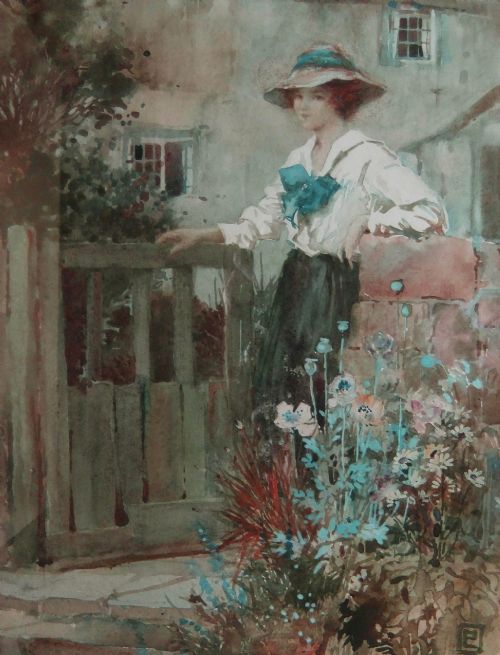
The compositions frequently depict rural English rivers, Welsh valleys, coastal harbours, and walled cottage gardens. Scenes often capture agricultural life, including haymaking, livestock grazing, and pastoral pathways.
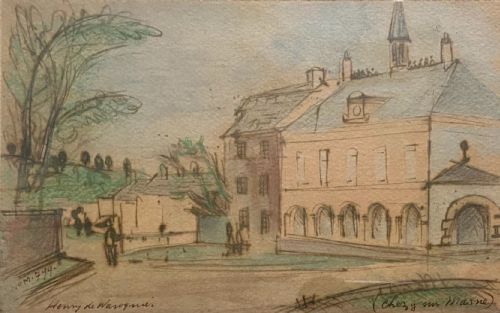
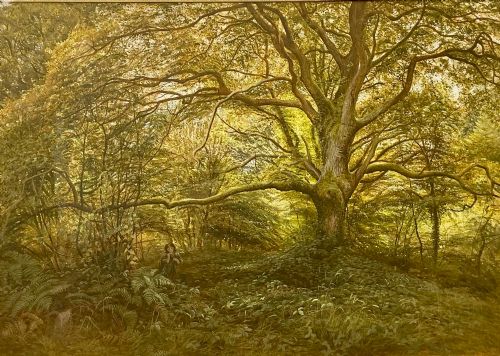
Urban views and town halls also emerge alongside tranquil woodland tracks. Artists focused heavily on recognisable regional scenery across Britain and continental Europe.
How do I identify a Victorian watercolour?
Victorian watercolours often feature naturalistic depictions of the British countryside executed with fine, controlled brushwork. Many examples carry signatures, contemporary framing, or handwritten ink inscriptions on the reverse detailing the location.
Paper stocks from this period tend to show heavier weight and occasional age toning. Stylistic conventions commonly reflect traditional academic standards of the nineteenth century.
Are these works original paintings?
Many listings represent unique, hand-painted watercolours, gouache works, and mixed media drawings created directly by the artist. Some pieces, however, comprise period prints such as collotypes or woodblocks produced after original artworks.
Checking the listing details helps distinguish hand-applied pigment from printed reproductions. Original works display visible brush texture and variations in pigment density under close inspection.