






Green Painted Server
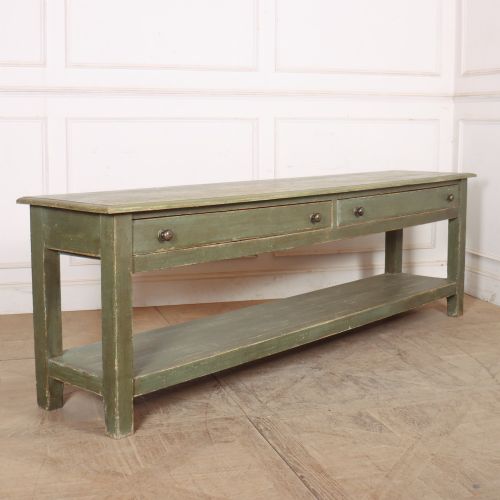
These green painted server pieces bring practical utility and character to a room, offering sturdy pine and wood surfaces finished in paint.
Green Painted Server
Buyers will most frequently encounter nineteenth-century painted dresser bases and serving tables on this page. These items often feature potboards, drawers, and painted surfaces that show the enduring appeal of country and provincial furniture traditions.
How they were made
Construction relies primarily on pine and wood, shaped into functional forms like dresser bases, console tables, and serving tables with integrated potboards or drawers. Joinery methods of the period prioritized daily utility in domestic settings.
Surfaces are finished with paint, sometimes complemented by brass or metal hardware, and occasionally topped with materials like zinc. The application of paint served both to protect the wood and to decorate the furniture in provincial and country styles.
Lettuce form sauce boats from the eighteenth century bring a surprising touch of garden greens to the table.
What varies in quality
Quality differences stem from the balance of proportions, the integrity of the wooden construction, and the character of the painted finish. Pieces with well-preserved original paint and robust timber frames represent the higher end of the range.
The sophistication of the style, whether a simple English country form or a more elaborate Brighton Pavilion design, also distinguishes the pieces. Finer execution in the drawers, potboards, and structural joints elevates an item above standard utility furniture.
David Dewsberry
The Green Painted Server Glossary
- Potboard
- A lower open shelf on a serving table or dresser base designed for storing pots and kitchenalia. This practical addition provides stability to the frame.
- Dresser base
- A low sideboard or cabinet featuring drawers and often a potboard beneath, used historically for food preparation and storage. They are foundational pieces of country furniture.
- Console table
- A table designed to stand against a wall, frequently featuring a narrow profile and multiple drawers. These tables suit hallways and dining rooms.
- Breakfront
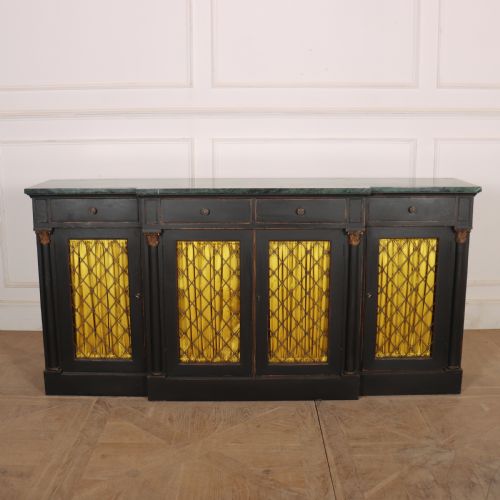
- A cabinet or dresser base whose central section projects forward from the flanking sides. This architectural arrangement creates depth and visual interest.
- Cabinet dish
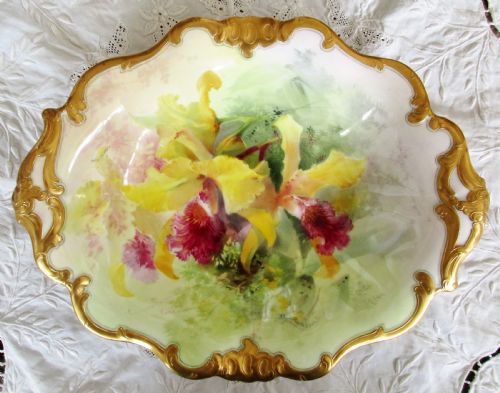
- A decorative porcelain plate intended for display rather than dining. Examples from makers like Royal Doulton often feature hand-painted botanical subjects.
Green Painted Server: Frequently Asked Questions
What is a green painted server used for?
These pieces function as serving tables, sideboards, or console tables in dining rooms, kitchens, and hallways. Their surface space and drawers provide practical utility for storage and serving.
Historically, dresser bases and serving tables helped organise domestic spaces while offering sturdy wooden work surfaces.
How do I identify an eighteenth-century piece?
Eighteenth-century pieces typically exhibit specific construction traits, timber ageing, and traditional joinery methods associated with the period. Examining the interior drawer construction and the wear on the wood provides key clues.
Stylistic indicators, such as Georgian proportions or early country designs, also help distinguish eighteenth-century items from later nineteenth-century examples.
Are the painted finishes original?
Painted finishes vary across the pieces, with some items retaining their original decorative or protective coats from the nineteenth century. Evaluating the integration of the paint with the underlying wood helps determine its age.
Over time, layers of paint accrued through domestic maintenance, contributing to the character and patina observed on country furniture.
Where were these servers made?
The pieces originate from various European regions, reflecting local cabinet-making traditions in England, France, Italy, Sweden, and Scotland. Each region imparted distinct stylistic traits to the furniture.
English country houses, French provincial workshops, and Swedish estates all contributed different forms, from potboard serving tables to zinc-topped sideboards.