





Green Onyx Table
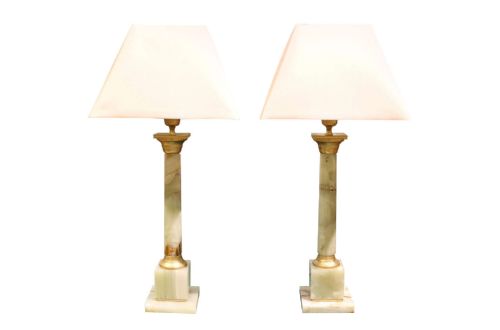
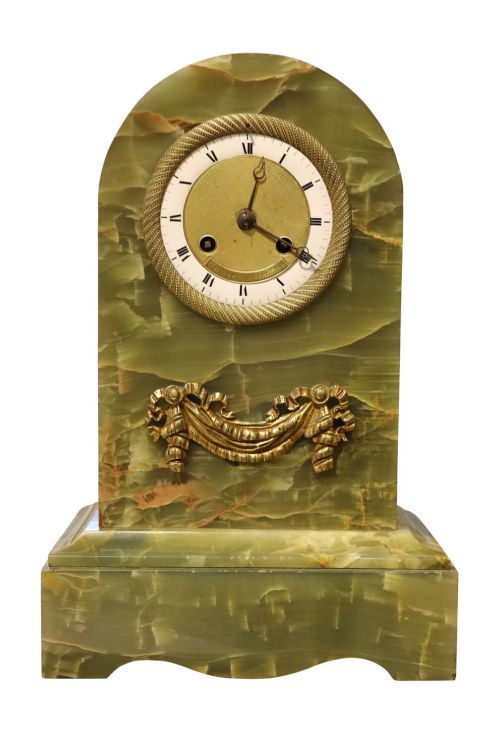
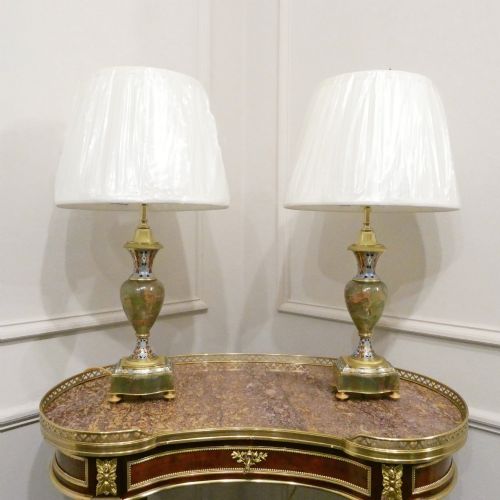
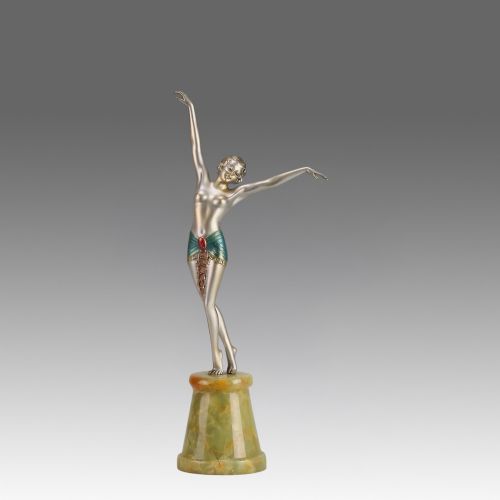
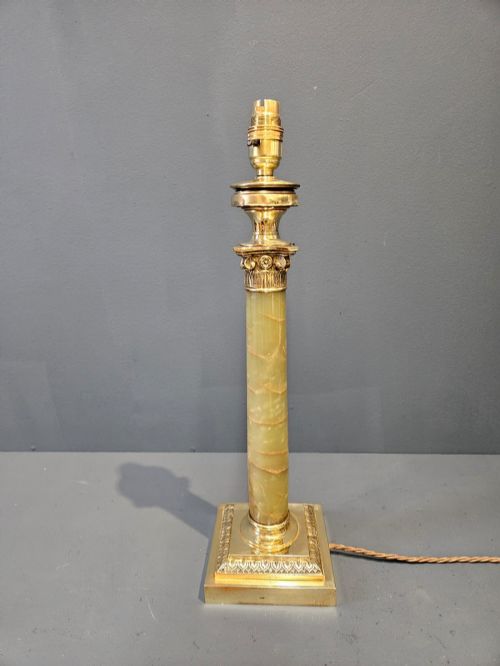
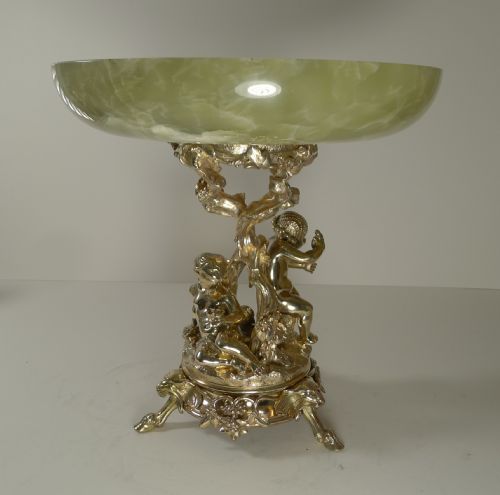
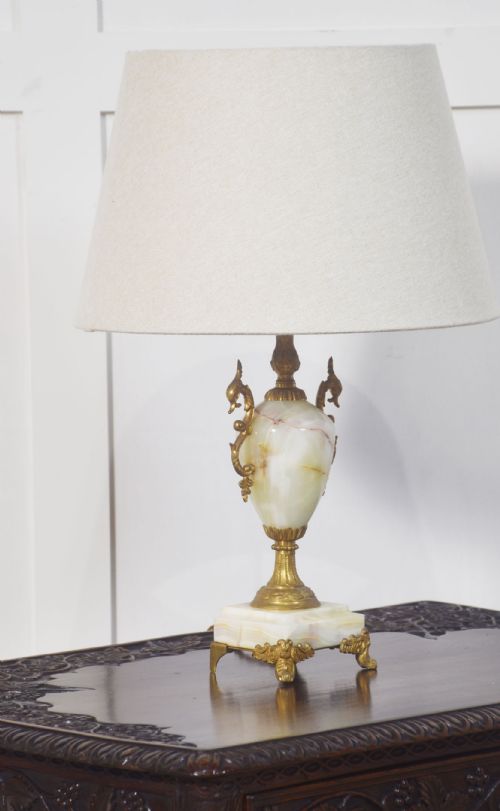
These green onyx table pieces bring polished stone and warm metal together, ranging from coffee tables and lighting to mantel clocks.
Green Onyx Table
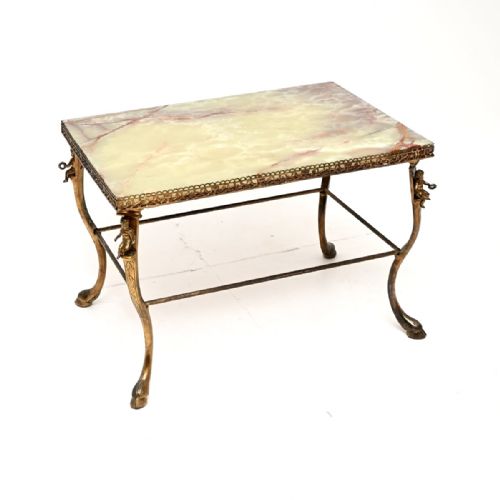
When you search for a green onyx table piece, you encounter items spanning the nineteenth century up through the Art Deco era. The selection includes coffee tables, occasional stands with stone tops, and related decorative furnishings.
The most common formats on this page combine polished green stone with brass, gilt bronze, or other metals. These objects reflect periods from Victorian revivalism to sleek 1930s modernist design.
Many examples double as functional lighting or timepieces, integrating the distinctive banded stone directly into clock cases and lamp bases. Others present as standalone accent furniture featuring inset stone surfaces.
How they were made
Craftsmen shaped and polished natural green onyx to create smooth, variegated panels and surfaces. This stone was frequently mounted into heavier metal frameworks using brass, gilt bronze, and spelter.
Makers integrated decorative hardware, enamel details, and crystal components to complement the organic patterns of the stone. Cast metal mounts secured the onyx slabs in tables, lamps, and clock surrounds.
Green Onyx Table Retail Price Guide 2026
Typical asking prices for green onyx table among the pieces listed under this phrase on Sellingantiques today, from the lower quarter to the upper quarter. They describe what is for sale here now, not the wider market.
Listings feature items dated across the nineteenth century, the Victorian era, and the 1920s to 1930s Art Deco period.
What varies in quality
The sophistication of the metal casting and the depth of the stone polish distinguish finer examples from standard production. Heavier brass mountings and finely chiseled details indicate superior workshop output.
Makers who integrated intricate mechanical movements, such as French clockmakers or firms like Elliott and Garrards, achieved a higher grade of overall construction.
Charles à Orléans·Josef Lorenzl·Elliott·Ferdinand Priess·Garrards·Christofle Paris
The Green Onyx Table Glossary
- Green onyx
- A banded variety of chalcedony or calcite prized for its translucent green layers. It forms the primary decorative surface for these tables and clocks.
- Gilt bronze
- Metal coated with a thin layer of gold. It frequently frames the green onyx panels on nineteenth-century French pieces.
- Spelter
- An alloy of zinc used as a cheaper alternative to bronze. It appears in several lamp bases and sculptural mounts.
- Champlevé
- An enamelling technique where troughs are carved into metal and filled with vitreous enamel. It appears on period table lamps.
- Clock garniture
- A set comprising a central mantel clock matched with accompanying candelabra or vases. These sets often incorporate extensive onyx and marble work.
Green Onyx Table: Frequently Asked Questions
How do I clean green onyx?
Use a soft, dry microfiber cloth to remove dust from the polished stone surface. Avoid abrasive cleaners or excess water which can damage the porous mineral structure and surrounding metal mounts.
For stubborn marks, a damp cloth with mild soap can be applied cautiously, followed immediately by thorough drying. Protect the surface from acidic spills that etch the stone.
Are these tables sturdy?
Most pieces combine heavy stone tops with substantial brass or bronze frames designed for everyday use as accent furniture or lamps. The weight of the onyx provides natural stability.
Care should be taken not to subject cantilevered corners or inset slabs to heavy impacts. Placing them away from high-traffic zones prevents accidental structural strain.
How do I date an onyx clock?
Examine the style of the metal mounts, dial typography, and maker signatures inscribed on the movement or case. Victorian pieces often display ornate revivalist detailing, while 1930s examples favor geometric lines.
Opening the back panel can reveal serial numbers or maker marks that link the movement to specific production years. Comparing the brass casting quality to known dated pieces also helps narrow the period.
Where were these pieces made?
Many items originate from French workshops in Paris, known for ornate gilt bronze and clock garnitures. Other examples stem from British and Italian makers during the Art Deco period.
Regional casting techniques and distinctive stone sourcing often point back to specific European manufacturing centres. Documentation or maker stamps assist in confirming the exact place of origin.