



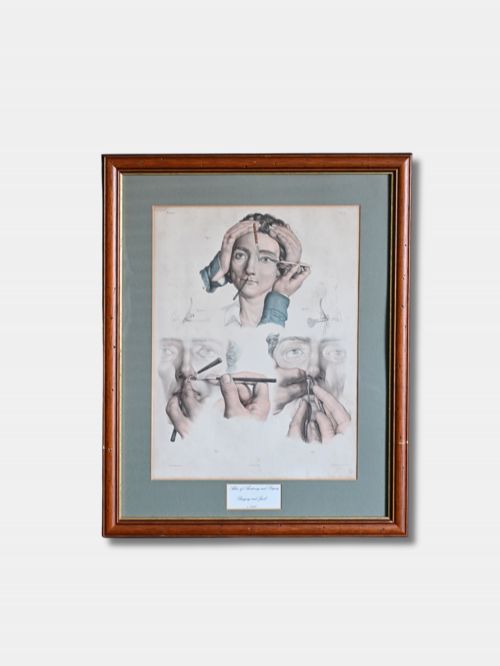


Green Mount Art
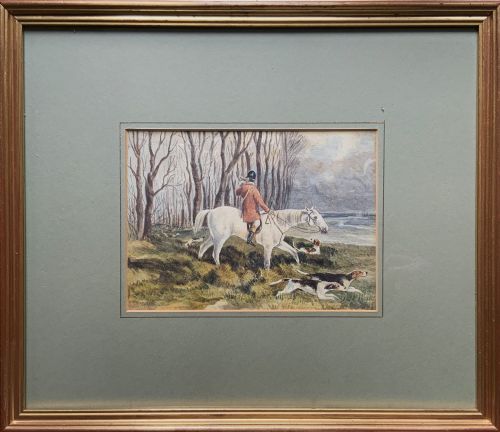
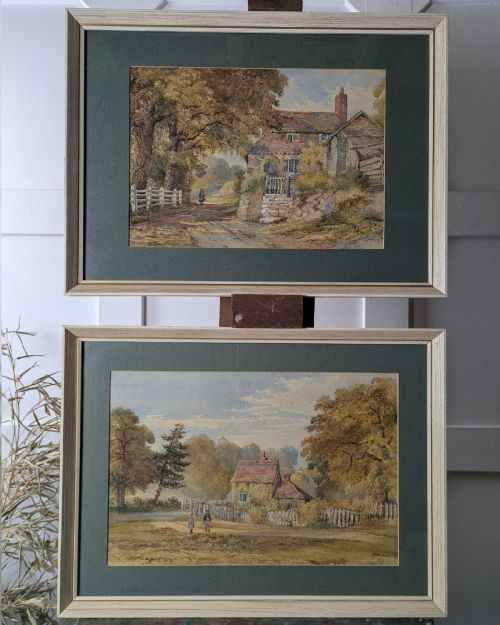
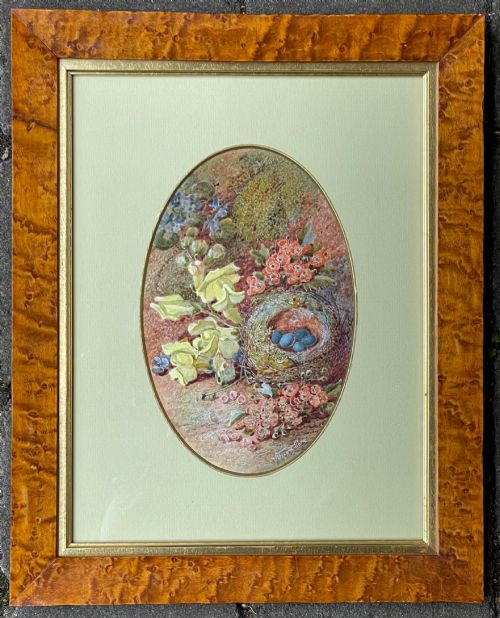
Green mount art brings together framed paintings, prints, and decorative objects spanning multiple centuries.
Green Mount Art
Green mount art encompasses a diverse selection of historical works including paintings, watercolours, prints, and decorative items. Buyers searching for green mount art encounter pieces ranging from eighteenth-century engravings to early twentieth-century paintings and sculptures.
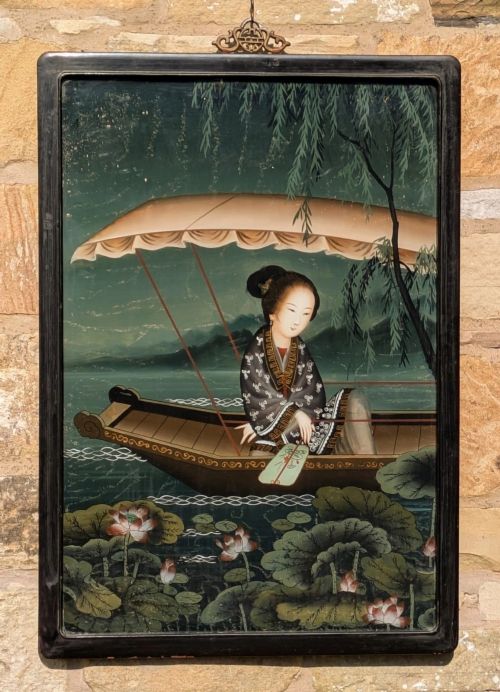
The objects frequently feature traditional forms such as framed watercolours, reverse glass paintings, and mounted textiles. These items reflect various historical periods from the seventeenth century through to the mid-twentieth century.
The selection includes both fine art and decorative pieces originating from Britain, Europe, and Asia. Each object provides a tangible connection to past artistic movements and domestic interiors.
Materials and construction
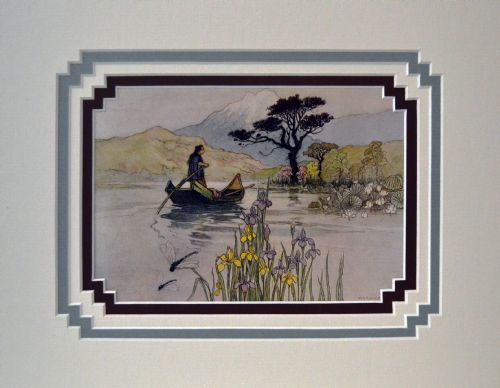
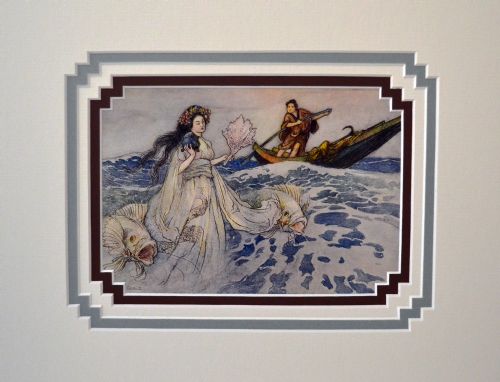
Works are executed using traditional media such as watercolour, oil paint, ink, and woodblock printing on paper, silk, or canvas. Many pieces incorporate framing materials like wood, glass, and gold leaf to preserve and display the artwork.
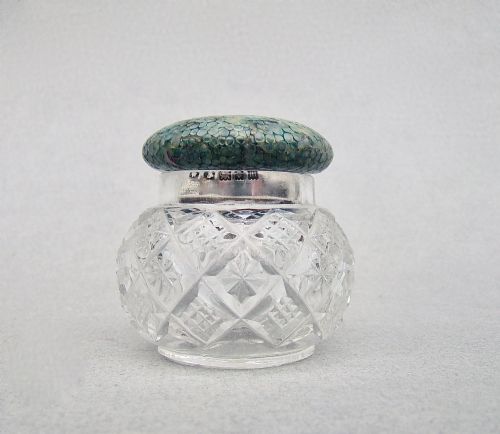
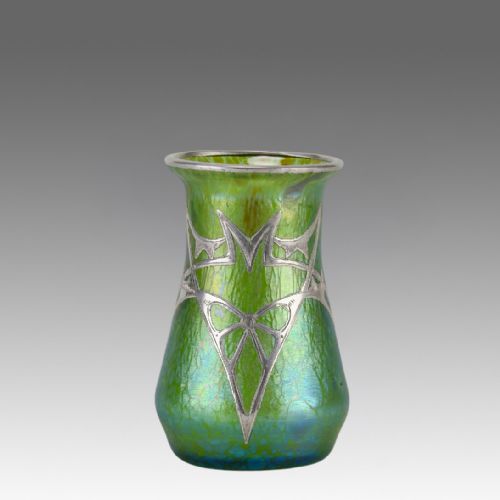
Three-dimensional objects utilise materials including bronze, marble, pewter, and glass, often combined with specialised mounting techniques. Metalwork and ceramics demonstrate period-specific manufacturing methods from European workshops and furnaces.
Green Mount Art Retail Price Guide 2026
Typical asking prices for green mount art among the pieces listed under this phrase on Sellingantiques today, from the lower quarter to the upper quarter. They describe what is for sale here now, not the wider market.
Listings feature paper, glass, wood, silk, and pewter alongside watercolours, oils, and inks across multiple centuries.
Assessing quality and condition
Quality rests upon the execution of the artist's hand, the crispness of printed impressions, and the preservation of original surfaces. Finer works display superior handling of medium and composition, whether in a detailed portrait or a delicate textile fragment.
The integrity of original mountings, frames, and pigments significantly influences the standing of each piece. Items retaining their early or original presentation offer greater authenticity to a collection.
Robert A. Nottingham·Vincent Clare·Johann Loetz·Warwick Goble·James Tower·Kunisada·William Swainson·Albert Ferdinand Le Dru
The Green Mount Art Glossary
- Woodblock print
- An image relief-printed from a carved wooden block. This technique was widely utilised in traditional Japanese art.
- Reverse painting on glass
- An artwork painted directly onto the reverse side of a glass panel. When viewed from the front, the colours display a distinct brilliance and depth.
- Pokerwork
- A method of decorating wood by burning designs onto the surface with heated tools. It is frequently associated with the Arts and Crafts movement.
- Engraving
- A printmaking process where an image is incised into a metal plate with a cutting tool. The inked lines transfer onto paper under pressure.
- Portrait miniature
- A small, highly detailed painting depicting a person. These delicate works were often encased in protective frames or lockets.
Green Mount Art: Frequently Asked Questions
What periods do these pieces cover?
The inventory spans several centuries, starting from seventeenth-century textile fragments and tapestries. It progresses through eighteenth-century engravings and nineteenth-century portraits before reaching twentieth-century works.
Each era contributes distinct stylistic markers that help identify the origin and date of manufacture.
How should I display framed prints?
Framed prints and paintings benefit from placement away from direct sunlight to protect fragile watercolours, paper, and silk from fading. Maintaining stable indoor humidity levels also preserves the condition of older wooden frames and mounted textiles.
Secure wall fixings are essential for heavier items such as bronze sculptures on marble plinths or large framed works.
Are the paintings original works?
The selection includes both original painted works in oil and watercolour and historical print editions. Catalogues describe whether a piece is a unique hand-painted study or a printed reproduction from a specific era.
Examining the surface texture under magnification helps distinguish brushwork from printed ink patterns.