


Green Metal Bed
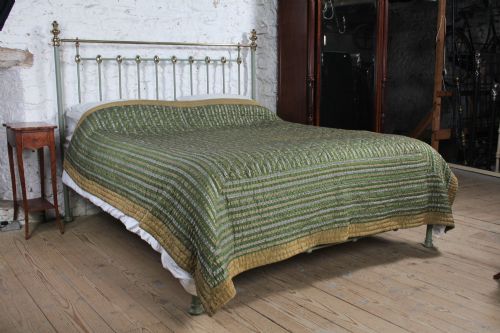
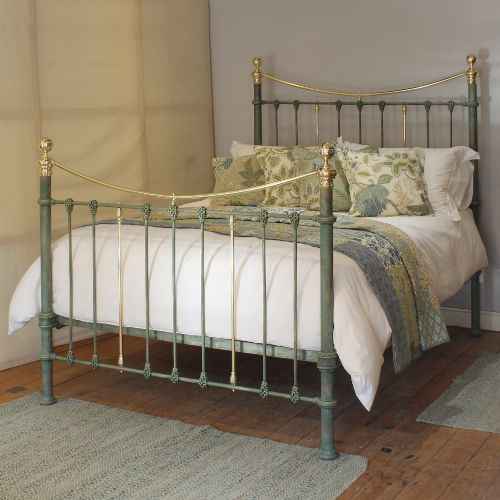
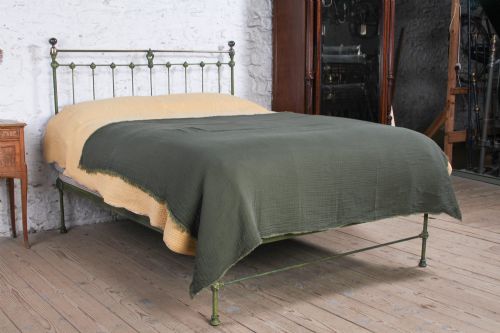
A green metal bed brings robust construction and colourful character to a bedroom through enduring Victorian and 19th-century designs.
Green Metal Bed
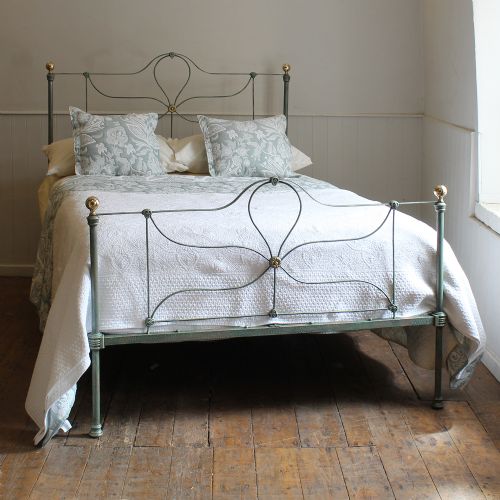
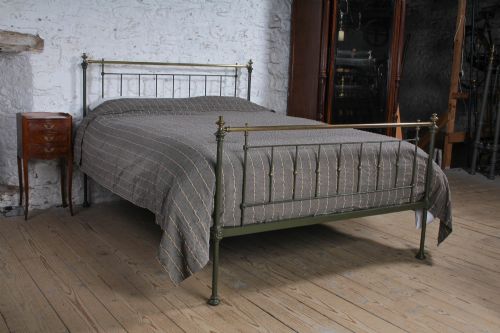
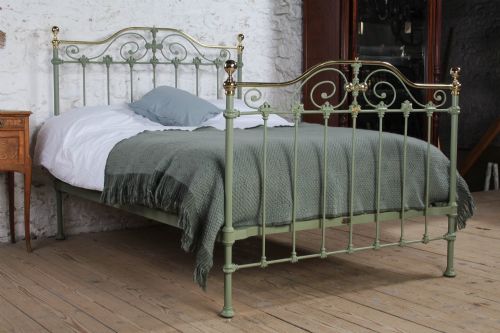
A green metal bed encompasses sturdy frames built from cast iron, wrought iron, and sheet metal, often finished in verdigris or painted hues. Buyers searching for a green metal bed will encounter substantial Victorian and 19th-century examples alongside regional Portuguese and Austrian variations.
Most pieces on offer date from the late 19th century, specifically around 1900, combining heavy iron structures with polished brass detailing. Single and king-size dimensions dominate the selection, ranging from simple geometric forms to decoratively cast headboards.
Alongside standard bed frames and bedsteads, the inventory occasionally includes related metal furnishings and decorative table lamps from subsequent decades. These pieces serve as both functional furniture and striking focal points within a traditional interior scheme.
How they were made
Construction relies heavily on cast iron and wrought iron components, shaped into durable frames capable of supporting heavy loads. Metal parts are joined with traditional fixings, while brass elements are incorporated for decorative contrast.
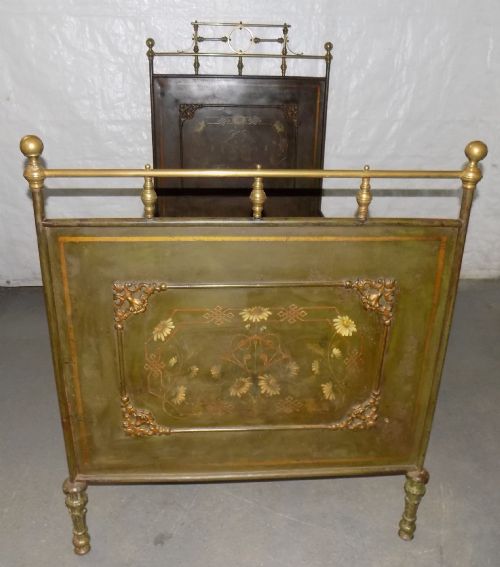
Surface finishes involve applied paint and verdigris treatments that react with the base metal over time to create patinated green tones. Toleware techniques appear on specific continental bedsteads, adding painted sheet metal details to the primary structure.
An iron bedstead shares space with a tennis player lamp.
What varies in quality
The refinement of the castings largely dictates the visual hierarchy of the piece, separating standard utilitarian frames from highly decorative models. Crisp detailing in the brass mounts and intricate shaping of the ironwork demonstrate superior workshop skill.
The integrity of the original painted surface and verdigris finish influences the desirability of the bedstead. Untouched patination holds greater appeal than heavy modern repainting, preserving the authentic age of the metal.
R W Winfield
The Green Metal Bed Glossary
- Verdigris
- A green patina formed naturally on copper, brass, or bronze through atmospheric oxidation. This chemical reaction creates the characteristic greenish surface coloration seen on antique metalwork.
- Cast iron
- An iron-carbon alloy poured into moulds to create rigid structural components and decorative mouldings. It provides the heavy, solid framework typical of nineteenth-century bedsteads.
- Toleware
- Painted or enamelled sheet metal objects produced in Europe and America. The technique often involves tinplate decorated with opaque lacquers.
- Bedstead
- The framework of a bed supporting the springs and mattresses, distinguished from the bedding itself. Antique versions frequently feature integrated headboards and footboards.
- Wrought iron
- Iron that has been heated and worked with tools by a blacksmith rather than cast in a mould. This material allows for strong, malleable structural elements.
Green Metal Bed: Frequently Asked Questions
How do I clean a green metal bed?
Dust the frame regularly with a soft, dry cloth to prevent the accumulation of dirt within the decorative castings. Avoid abrasive chemical cleaners that might strip the original painted or verdigris surface.
For stubborn grime, use a slightly damp cloth with mild soap, drying the metal immediately afterwards to prevent rust formation.
How do I date an iron and brass bed?
Examine the construction methods, joint fixings, and stylistic motifs present on the headboard and footboard. Victorian examples from around nineteen hundred often feature combined iron tubing and detailed brass castings.
Earlier mid-nineteenth-century pieces tend to display simpler Georgian-influenced geometry and heavier all-iron construction.
Are antique metal beds sturdy?
Cast and wrought iron frames offer exceptional structural strength due to the heavy-duty materials used in their original manufacture. These beds are designed to support substantial weight without flexing.
Checking the bolts, side rails, and joints ensures the frame remains stable for daily domestic use.