
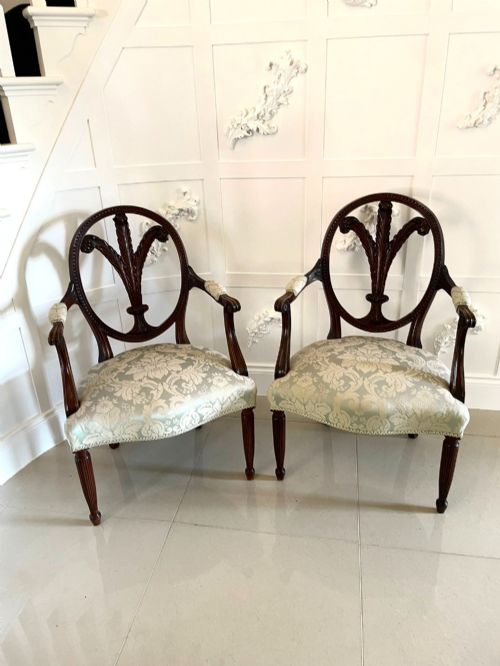
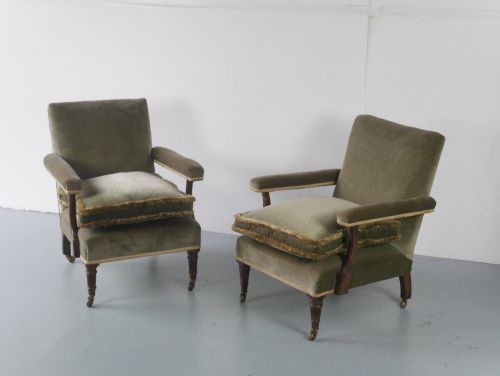
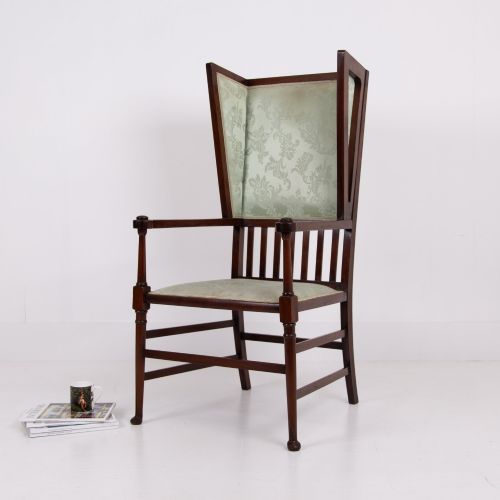
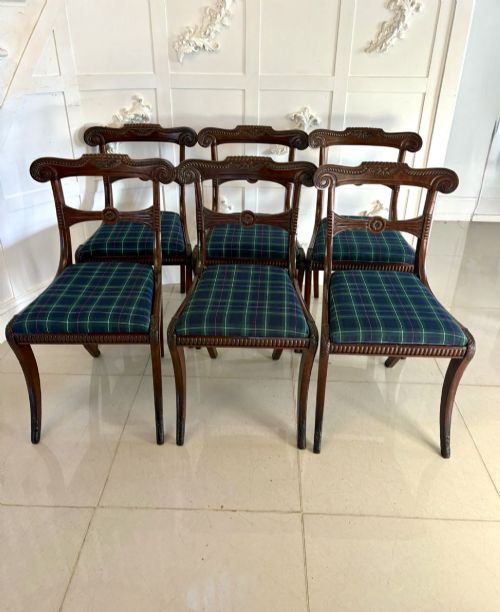

Green Mahogany Chairs
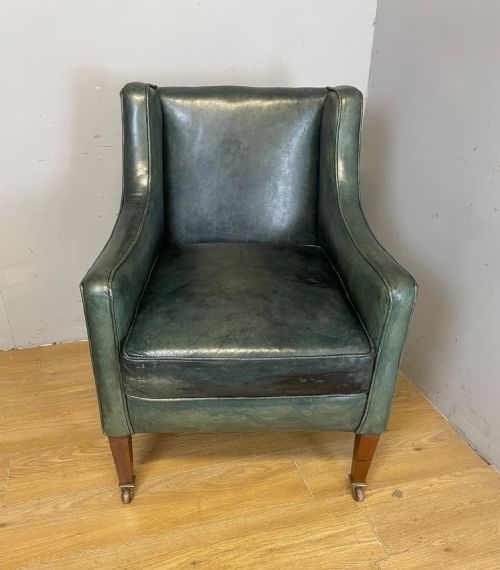
Green mahogany chairs are sturdy seating forms shaped from dense timbers, most frequently paired with leather upholstery to balance utility and colour.
Green Mahogany Chairs
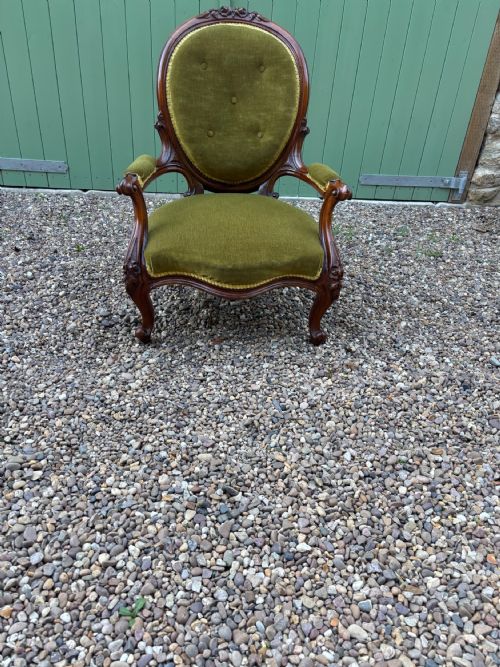
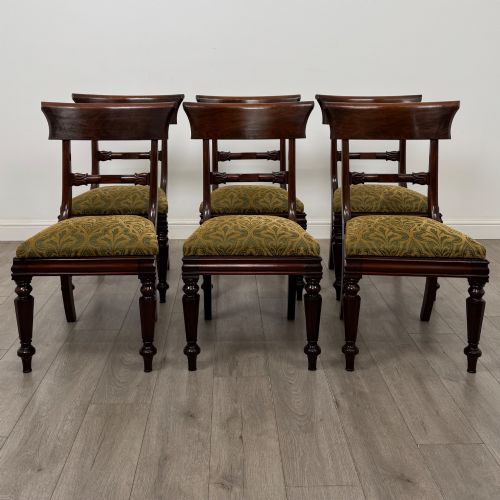
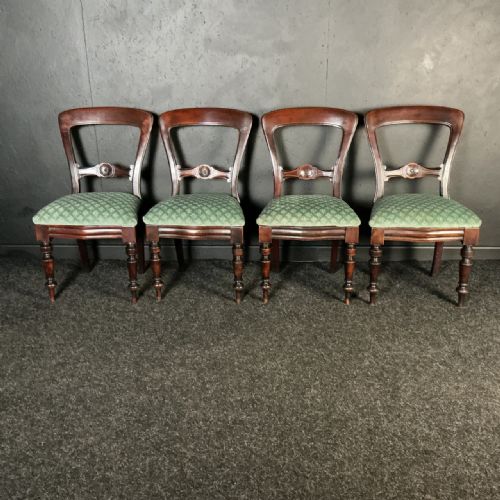
Green mahogany chairs encompass seating forms spanning the eighteenth, nineteenth, and early twentieth centuries, intersecting the Georgian, Regency, and Victorian periods. The phrase most frequently leads you to dining sets, library chairs, and desk chairs built from rich timber and upholstered in contrasting green hides or woven textiles.
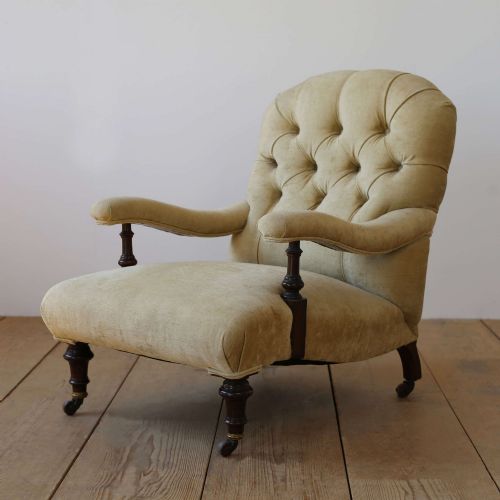
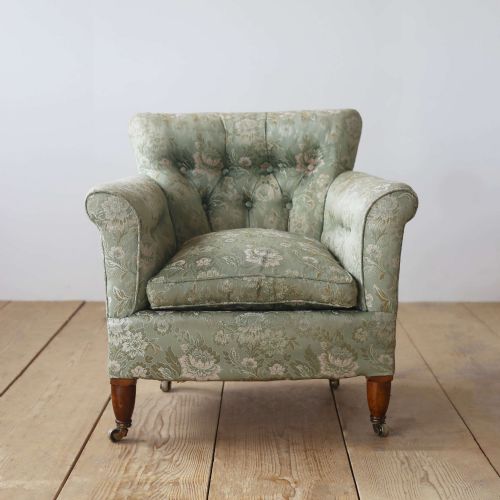
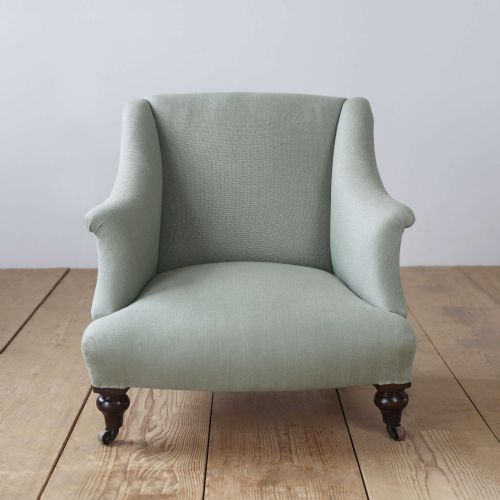
The assortment on this page ranges from modest single side chairs to extensive dining sets of six or eight pieces. Alongside formal dining chairs, the records capture bedroom nursing chairs, open armchairs, and specialised campaign seating.
Origins stretch across British workshops, with specific Scottish examples appearing in the historical record alongside pieces bearing the hallmarks of notable cabinet makers. The overarching characteristic remains the combination of dark timber frames with verdant leather or fabric seats.
How They Were Made
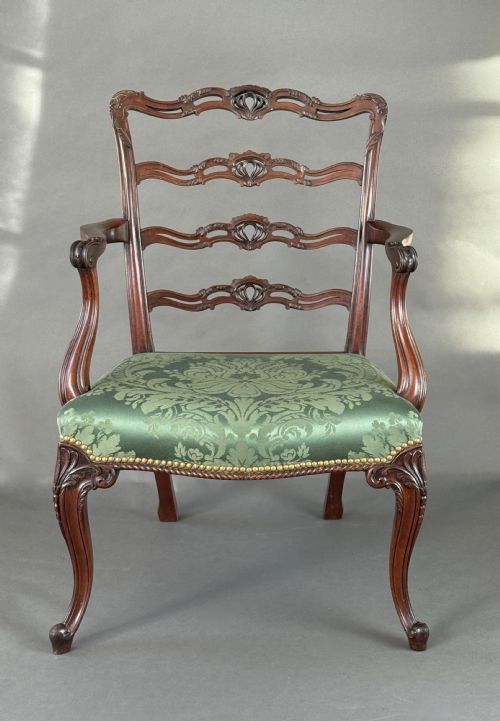
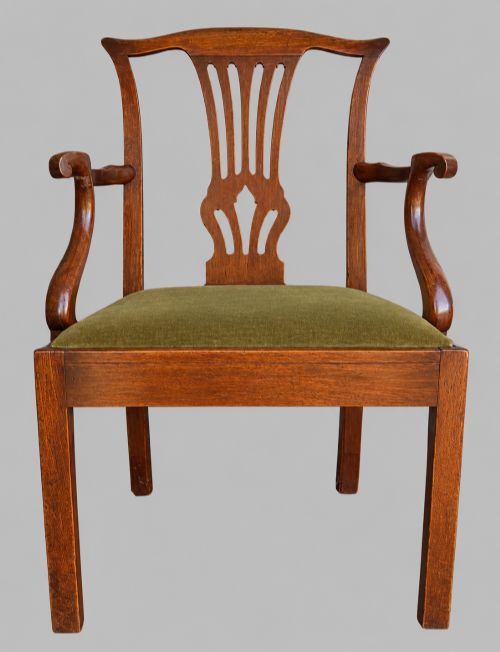
Makers utilised dense, durable mahogany for the primary structural frames, allowing for carved splats, reeded legs, and scrolled arm supports. This timber took fine joinery and carving whilst maintaining structural integrity over centuries of daily use.
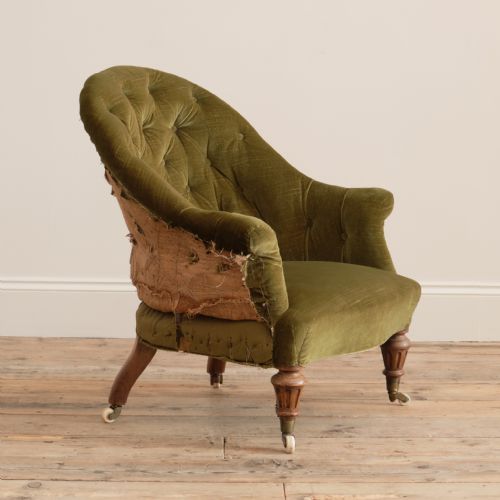
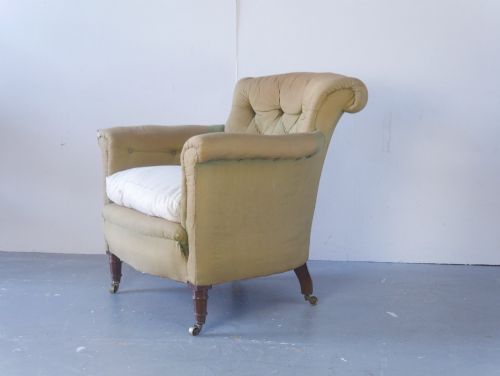
Upholstery formed an integral part of the construction, integrating leather, velvet, damask, and patterned fabric secured with traditional tacks. Metal components such as brass castors and adjustable campaign hinges appeared on desk and library variants to aid mobility and function.
The archive records sets of up to eight dining chairs alongside single library armchairs.
What Varies in Quality
Quality rests primarily in the crispness of the timber carving and the proportional balance of the frame. Superior examples demonstrate thoughtful grain selection and robust joinery that withstands heavy handling without requiring excessive structural intervention.
The grade of the secondary materials dictates the upper tier of pieces, where original leather upholstery or subtle inlay work elevates the visual weight. Lesser examples rely on plain replacement fabrics and simplified turnings that lack the deliberate proportion of workshop-led pieces.
Gillows·Holland and Sons
The Green Mahogany Chairs Glossary
- Mahogany
- A durable tropical hardwood imported for British furniture production from the eighteenth century onwards, valued for its deep reddish-brown tone and resistance to warping.
- Campaign chair
- Portable folding furniture designed for military officers or travellers, often fitted with brass hardware and collapsible frames.
- Carver
- An armchair, typically designed as part of a dining set to sit at the head of the table with wider proportions and armrests.
- Bergère
- An enclosed upholstered armchair with exposed wooden frames and cane or padded sides, popular during the Regency and George IV periods.
- Splats
- The central vertical slat of a chair back connecting the seat to the top rail, frequently carved in distinct regional or period styles.
Green Mahogany Chairs: Frequently Asked Questions
What periods do these chairs cover?
The listings span from the eighteenth century through the Regency and Victorian eras up to the early twentieth century. Georgian and Victorian examples dominate the available selection.
Later pieces include Edwardian revivals and early twentieth-century interpretations, showing how cabinet makers continually revisited earlier aesthetic traditions.
Were these chairs originally green?
The timber itself is dark red-brown mahogany, while the green element derives from period upholstery choices. Leather and fabric seats in shades of green were standard specifications for libraries and desks.
Many surviving pieces retain or have been restored with green leather to match the historical preference for functional coloured writing surfaces.
How do I identify a desk chair?
Desk chairs typically feature revolving mechanisms, upholstered bucket backs, or open arms designed to clear a writing table. They often incorporate leather seats for durability.
Look for sturdy proportions, wider arm clearances, and occasional brass castors that assisted movement around a study.
Can I use these chairs for daily dining?
Most antique dining chairs remain structurally sound for regular household use if the joinery is stable. Standard heights and robust mahogany frames suit modern dining arrangements.
Care should be taken with antique upholstery fabrics and delicate carved details during daily handling.