




Green Leaves Painting
Green leaves painting brings together botanical still lifes and verdant landscapes executed across multiple centuries.
Green Leaves Painting
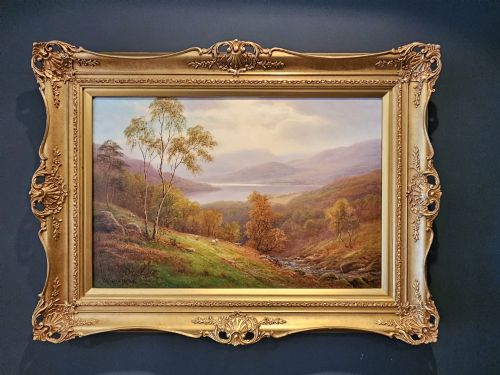
A green leaves painting encompasses canvases and boards depicting foliage, floral arrangements, and pastoral views created across the eighteenth, nineteenth, and twentieth centuries. The selection includes works by artists such as William Mellor, Harald Foss, and David Bates.
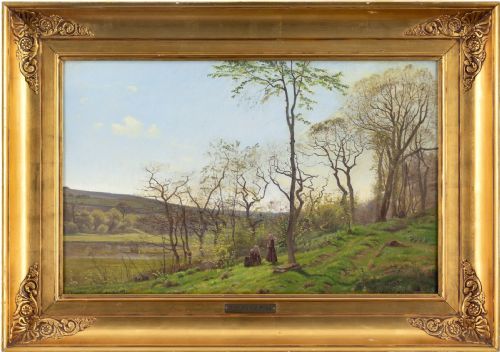
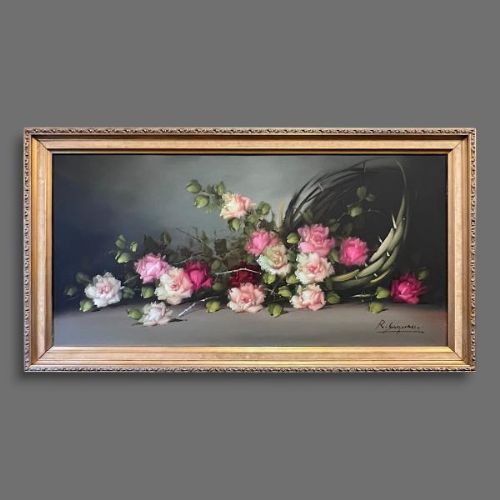
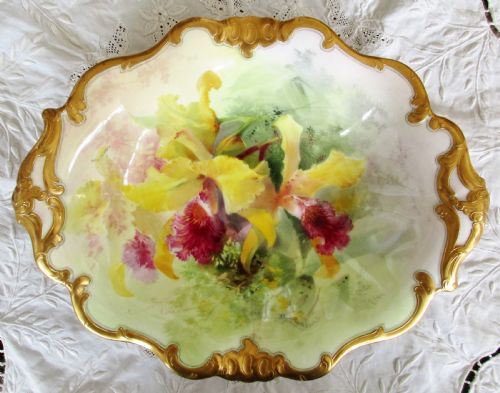
Buyers encounter oil paintings on canvas alongside oil on board, watercolours, and mixed media works reflecting styles from Impressionism to Danish Realism. Subjects range from wild foliage and chestnut leaves unfurling to still life compositions featuring roses and cabinet dishes with orchid motifs.
The objects span Victorian, Edwardian, and mid-century periods, originating from British, French, Scandinavian, and Italian schools. Each piece offers a distinct handling of pigment and canvas, whether capturing a Lakeland hill or a secluded monastery view.
Materials and construction
Artists utilise oil paint applied to prepared canvas or wooden panels, often framed in giltwood, gesso, or painted pine. The physical support relies on traditional timber stretchers and joinery appropriate to the period of origin.
Pigments are layered to create depth in foliage and landscapes, sometimes incorporating gold leaf or delicate polychrome paint touches on related decorative objects like toleware or porcelain.
Green Leaves Painting Retail Price Guide 2026
Typical asking prices for green leaves painting among the pieces listed under this phrase on Sellingantiques today, from the lower quarter to the upper quarter. They describe what is for sale here now, not the wider market.
A cold-painted metal bird perched quietly on a leaf offers a whimsical nineteenth-century touch among the canvas works.
Assessing quality in painted works
Quality depends upon the artist's brushwork control, the precision of pigment layering, and the preservation of the original canvas or board surface. Works bearing documented signatures by established nineteenth and twentieth-century painters demonstrate higher technical proficiency.
The condition of the accompanying frame, whether period giltwood or painted pine, contributes to the integrity of the piece. Surviving works retain their original stretcher bars and uncompromised paint layers without extensive modern intervention.
William Mellor·Harald Foss·Thomas Sidney Cooper·David Bates·Henry Bright
The Green Leaves Painting Glossary
- Oil on canvas
- A painting medium where pigments are suspended in drying oils and applied to a stretched woven fabric support. This combination allows for rich colour blending and textured brushwork.
- Gesso
- A plaster-like mixture applied to wood or canvas to prepare a smooth surface for painting or gilding. It forms the rigid base beneath many historic frames.
- Impressionism
- A nineteenth-century painting style characterised by relatively small, thin yet visible brush strokes and an emphasis on accurate depiction of light. It prioritises the overall visual effect rather than minute detail.
- Polychrome
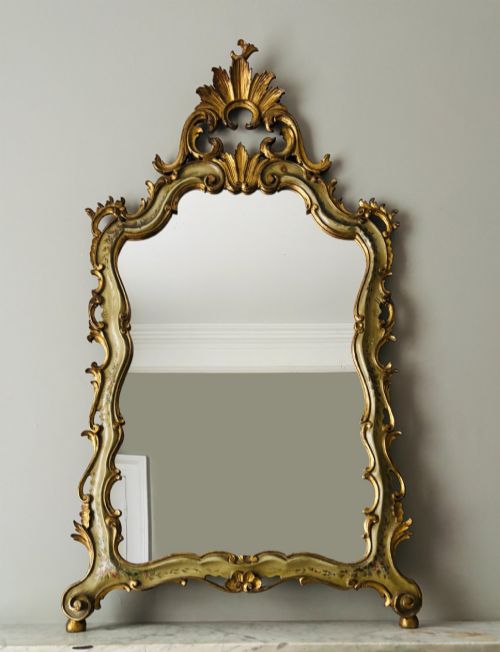
- Decorated or executed in several colours. This term frequently applies to painted wooden mirrors, furniture, and ceramics.
- Giltwood
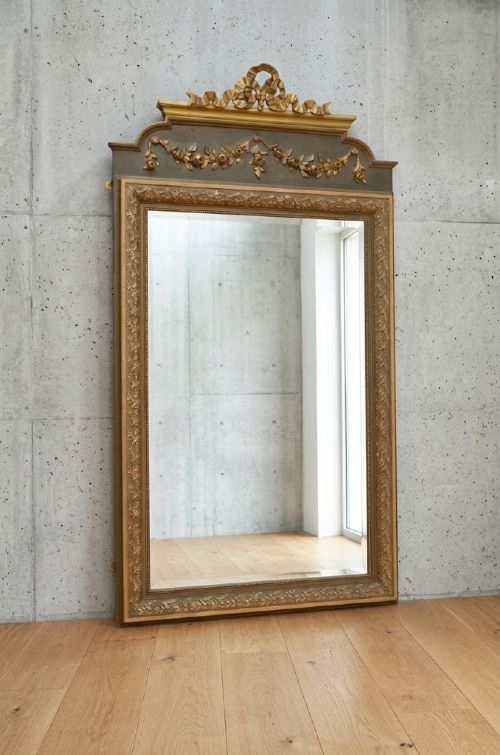
- Wood that has been treated with gold leaf or gold paint for decorative effect. It is commonly found on antique mirror frames and chandeliers.
Green Leaves Painting: Frequently Asked Questions
How do I date an old oil painting?
Dating relies on examining the canvas weave, stretcher construction, and the composition of the wood or nails securing the piece. Stylistic markers of the period provide additional chronological context.
Signatures, artist attribution records, and framing techniques further help pinpoint the era in which the work was produced.
Where should I hang a landscape painting?
Landscape and foliage paintings suit spaces with controlled natural light away from direct, harsh sunlight. Wall placement should protect the canvas from excessive humidity and temperature fluctuations.
Matching the scale of the painting to the surrounding wall space ensures proper visual balance within a room.
How do I care for antique canvas?
Maintenance involves keeping the surface free of dust using a soft, dry brush without applying liquid cleaners. Environmental controls maintaining stable indoor humidity prevent canvas slackening and paint cracking.
Professional conservation is recommended for any structural repairs or deep cleaning of the pigment layer.
What is Victorian real estate art?
Victorian art encompasses works produced during the reign of Queen Victoria, focusing heavily on realistic landscapes, animal portraits, and botanical studies. Painters of this era captured precise topographical details and natural scenes.
These pieces often reflect contemporary interest in natural history, rural life, and domestic decoration.