

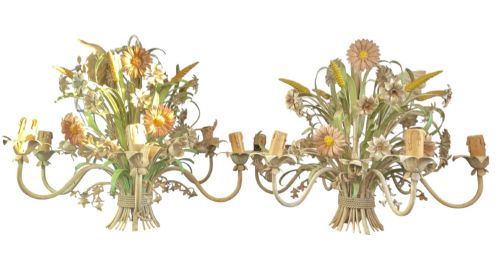
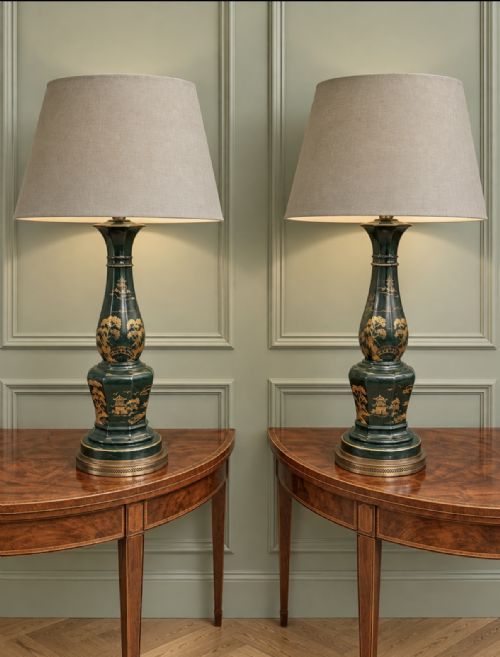
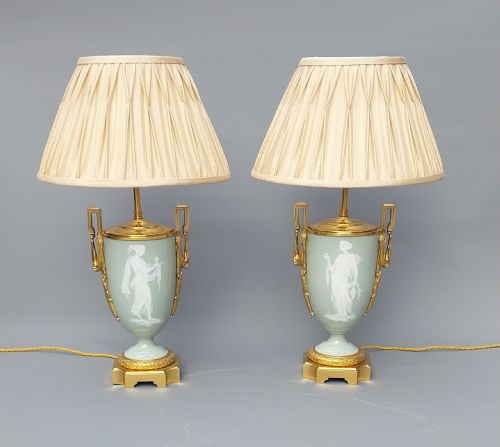
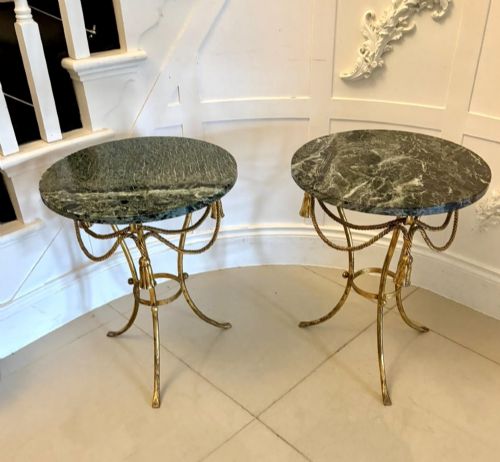


Green Lamp Pair
A green lamp pair brings symmetry and balanced illumination to a room, uniting functional lighting with decorative presence.
Green Lamp Pair
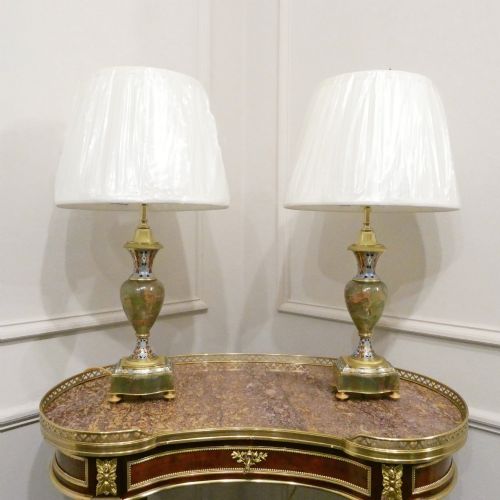
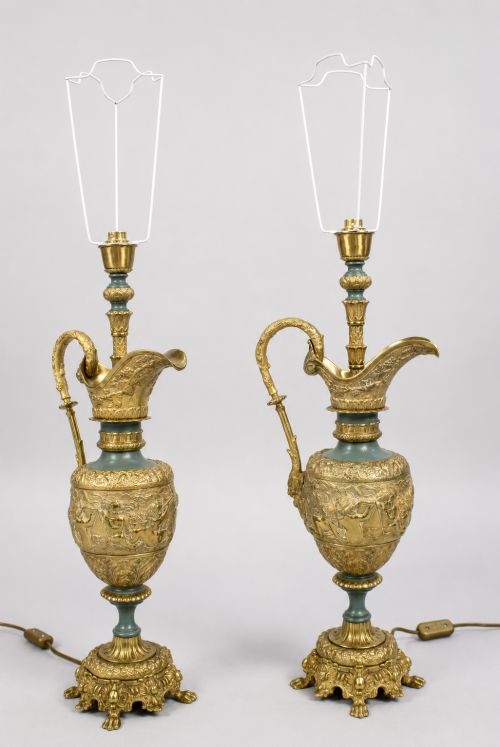
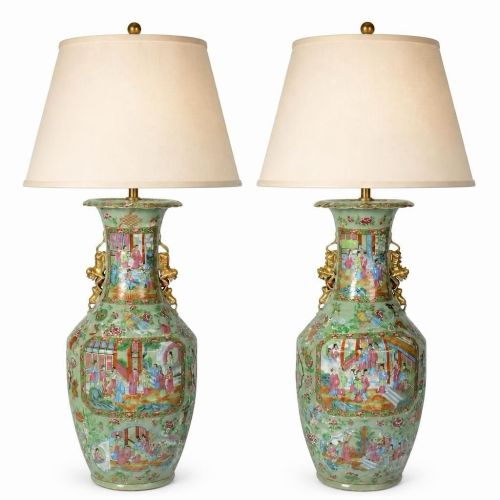
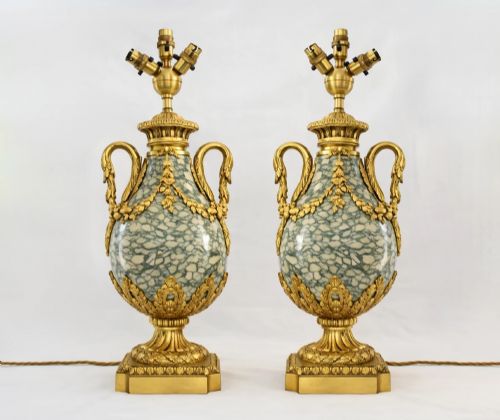
A green lamp pair combines matching illumination with distinctive colour, spanning styles from Chinoiserie ceramics to French Empire ormolu mounts. These pieces frequently originate from the nineteenth and early twentieth centuries, drawing on porcelain vases, patinated bronze, and painted tôleware converted into lighting.
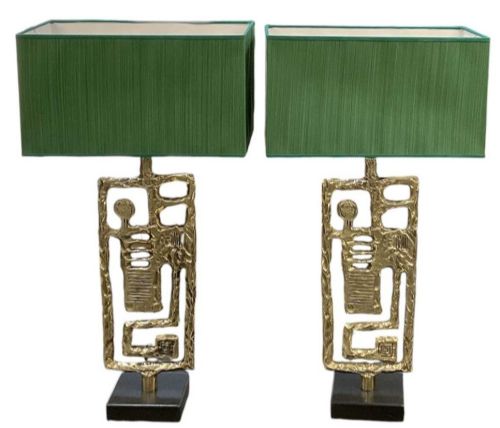
Table lamps dominate the selection, often utilising converted Chinese export porcelains such as celadon, Famille Verte, and Rose Medallion bodies. Alongside these ceramic examples, buyers encounter cast metal forms, including gilt bronze and brass constructions paired with fabric shades or exposed bulb configurations.
Continental European workshops supply a substantial portion of these items, particularly French manufacturers utilising Louis XVI revival motifs and Italian makers producing painted tôleware. The matching format implies intended placement on side tables, mantels, or pedestals to create visual balance in a room.
Materials and construction methods
The manufacture of these lighting pairs relies on combining durable structural metals with decorative ceramic or stone bodies. Brass, bronze, and ormolu form the mounts and bases, providing a stable foundation and ornate detailing around porcelain or marble reservoirs.
Ceramic elements utilise traditional throwing, glazing, and enamel painting techniques, often seen in Chinese porcelain and European pâte-sur-pâte work. Metal components involve casting, chasing, and gilding, securing the electrical or candle-fitting hardware firmly to the decorative body.
Green Lamp Pair Retail Price Guide 2026
Typical asking prices for green lamp pair among the pieces listed under this phrase on Sellingantiques today, from the lower quarter to the upper quarter. They describe what is for sale here now, not the wider market.
The object forms include table lamps, torcheres, and candlesticks incorporating Chinoiserie, Louis XVI style, and Empire aesthetics.
Assessing quality in matched pairs
Quality rests primarily on the crispness of the casting in metal mounts and the artistic execution of the painted or glazed surfaces. Superior examples display finely chased ormolu, deeply carved marble, and hand-painted ceramic detailing that matches closely between both items in the pair.
The integrity of the conversion from vase or urn to lamp affects the overall standard, noting whether original ceramic bodies remain unaltered by harsh drilling. Consistency in colour saturation, glaze uniformity, and the weight of the bronze or brass elements distinguish finer workshop output from standard production.
Angelo Brotto·Esperia·F. De Luca
The Green Lamp Pair Glossary
- Ormolu
- Gilt bronze mounted onto furniture, clocks, or lamps. This technique involves applying a mercury and gold amalgam to cast bronze.
- Celadon
- A pale green jade-like ceramic glaze originating in China. It appears frequently on nineteenth-century porcelain table lamps.
- Pâte-sur-pâte
- A ceramic decoration method where wet white porcelain slip is painted onto a coloured clay body in layers. This creates low-relief cameo effects on fine lamps.
- Tôleware
- Painted and lacquered sheet metal utilised for decorative household objects. Italian and French workshops produced these in various green hues.
- Famille Verte
- A Chinese porcelain palette dominated by green enamel colours. Pieces featuring this palette often date to the nineteenth century.
Green Lamp Pair: Frequently Asked Questions
How do I style a green lamp pair?
Place matching lamps on opposing bedside tables, a long sideboard, or console tables to anchor a room's symmetry. Their coloured ceramic or metal bases introduce a focal point that coordinates with neutral textiles or botanical green accents.
Ensure the height of the lamps suits the furniture scale so the light source sits at comfortable eye level. Pairing them with simple fabric shades allows the decorative base to remain the primary visual element.
Are these lamps converted from older vases?
Many examples began life as nineteenth-century Chinese porcelain vases, tôleware containers, or decorative urns before receiving electrical fittings later. This practice preserves antique ceramic and metalwork by giving them a functional role in modern interiors.
Expertly executed conversions respect the original body without causing structural damage to the primary material. Examining the base and collar reveals how the wiring passes through the antique vessel.
How do I date a green lamp pair?
Dating relies on examining the materials, manufacturing marks, and style of the bronze mounts or ceramic bodies. Nineteenth-century pieces often feature hand-chased ormolu, heavy cast bronze, and traditional glaze formulas characteristic of French and Chinese workshops.
Turn-of-the-century and later twentieth-century pieces display different electrical hardware and wiring channels suited to subsequent safety standards. Comparing the wear on the base helps confirm the age of the underlying object.
What maintenance do antique metal lamps need?
Dust the bronze, brass, and ormolu mounts gently with a soft, dry cloth to prevent grime accumulation. Avoid harsh chemical cleaners that strip the natural patina or damage delicate gilt surfaces.
Periodically check the internal wiring and plug connections with a qualified electrician to ensure safe operation. Keeping the lamps away from direct, harsh sunlight protects painted tôleware and fabric components from fading.