


Green Iron Bed
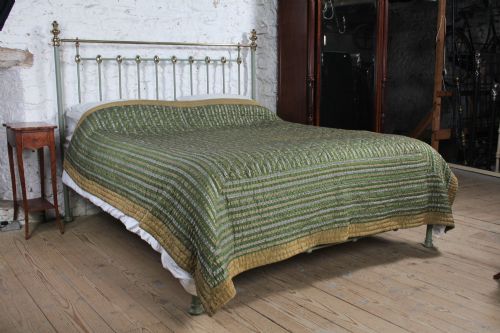
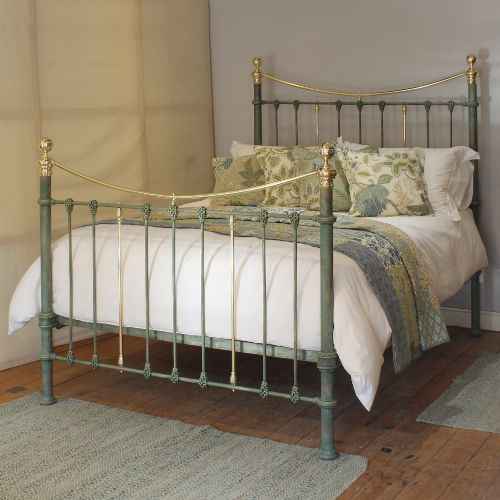
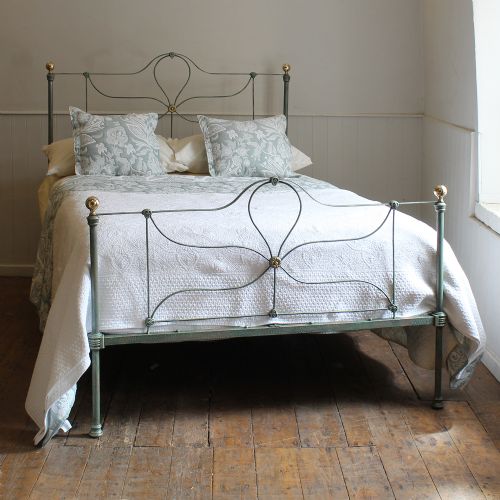
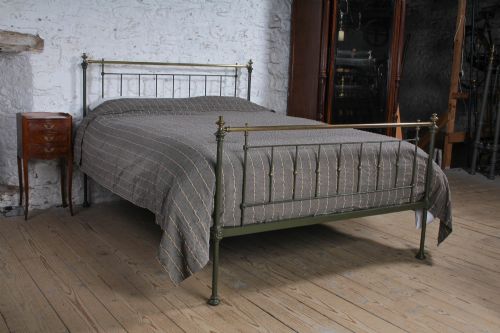
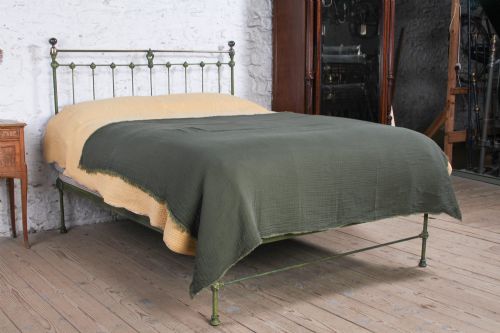
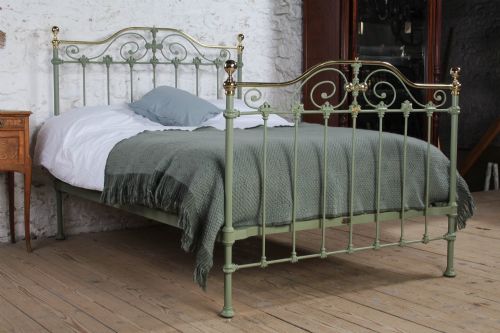
A green iron bed brings structural presence and Victorian character into a bedroom through painted metalwork and brass accents.
Green Iron Bed
A green iron bed combines the industrial strength of cast and wrought metal with painted finishes, ranging from soft verdigris to deep antique green. When exploring a green iron bed, you encounter robust frames built to last centuries, often enhanced by gleaming brass details and decorative castings.
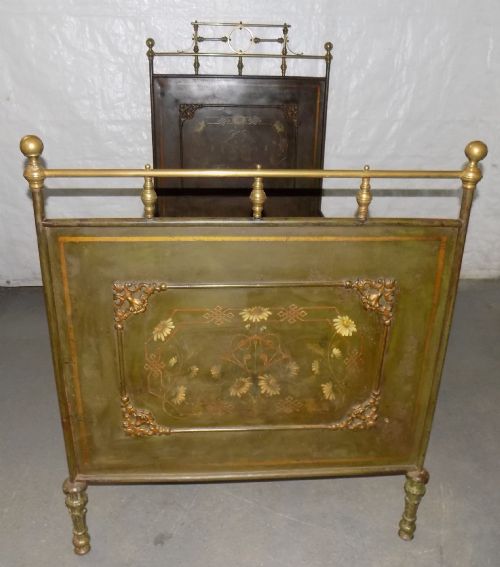
The selections available span multiple size categories, from small single platforms to grand king sizes. Most examples originate from the Victorian era, alongside regional Portuguese and Austrian toleware pieces that offer alternative silhouettes.
How they were made
Makers constructed these frames using durable cast iron, wrought iron, and sheet metal, frequently combining them with polished brass components. This construction method provided immense stability while allowing for intricate shaped headboards and footboards.
Surfaces received specialised paint treatments or toleware finishes to achieve the characteristic green coloration, sometimes styled with verdigris effects. Brass finials and joints were then secured to contrast against the dark or muted painted iron.
Listings feature items spanning the Victorian period, utilising cast iron, wrought iron, brass, and painted sheet metal.
What varies in quality
Quality rests in the intricacy of the castings and the balance between the iron frame and its brass ornamentation. Superior examples display sharply defined decorative details and thoughtful shaping rather than purely utilitarian lines.
The integrity of the original paint surface and the stability of the metal joinery also define the upper tier of these pieces. Well-preserved finishes and robust structural engineering distinguish a finer bedstead from standard utility sleeping frames.
R W Winfield
The Green Iron Bed Glossary
- Cast iron
- Iron poured into a mould to create rigid shapes and decorative bed castings. This material formed the heavy structural backbone of many nineteenth-century frames.
- Toleware
- Metalware painted and lacquered in specific finishes, often seen on continental European bedsteads. It provides a smooth, decorative surface distinct from raw or standard painted iron.
- Verdigris
- A green patina formed naturally on copper and brass, or replicated with paint on iron surfaces. This finish gives antique frames an aged, weathered aesthetic.
- Bedstead
- A framework supporting a bed, incorporating headboards, footboards, and side rails. These structures often feature exposed metal tubing and decorative brass mounts.
Green Iron Bed: Frequently Asked Questions
What sizes are available?
These frames come in various dimensions, ranging from compact single and small single platforms to generous double and king-size proportions.
Buyers can select widths that suit smaller guest rooms or spacious master bedrooms depending on the specific nineteenth-century configuration.
How do I clean the frame?
Maintenance requires gentle dusting with a soft cloth to protect the painted iron and brass surfaces from moisture accumulation.
Avoid abrasive cleaners that might strip the historic green paint or damage the polished brass details.
Are modern mattresses compatible?
Many antique frames accommodate standard modern mattress sizes with the help of appropriate modern slatted bases or supportive platforms.
Measuring the internal dimensions carefully ensures a proper fit for contemporary bedding.
How do I date these beds?
Dating relies on stylistic clues such as Victorian casting motifs, construction techniques, and the presence of specific brass components.
Most surviving examples date from the latter half of the nineteenth century through to nineteen hundred.