




Green Glass Wall Art
Green glass wall art brings together luminous colour and reflective depth, offering a striking focal point for any interior.
Green Glass Wall Art
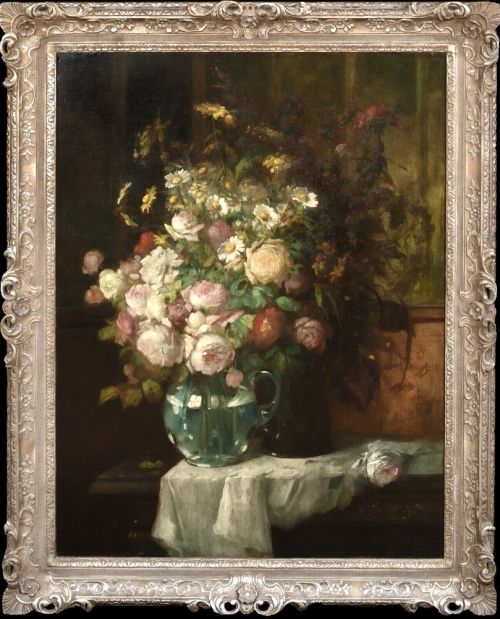
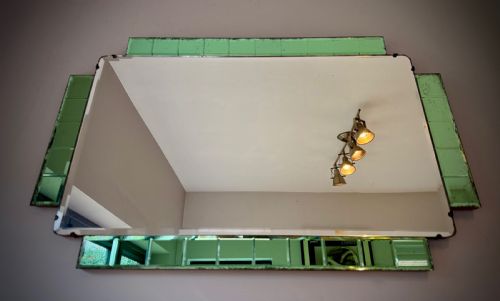
Green glass wall art encompasses a diverse range of decorative pieces designed to be mounted on a wall, capturing the interplay of light and colour through glass. When you explore green glass wall art, you encounter various forms including reverse glass prints, bevelled mirrors with emerald panels, and illuminated glass wall decorations.
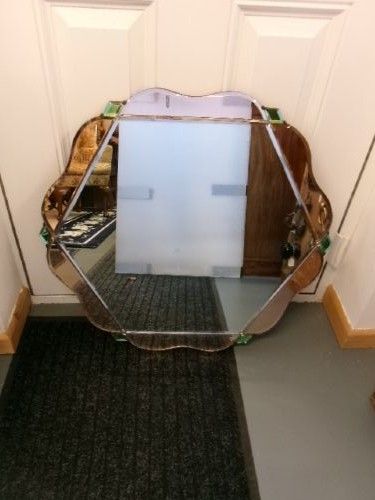
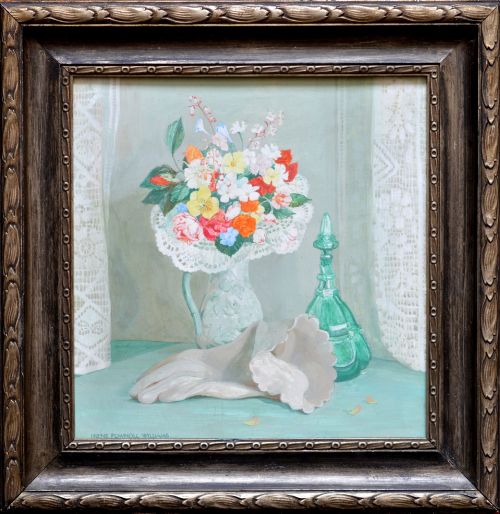
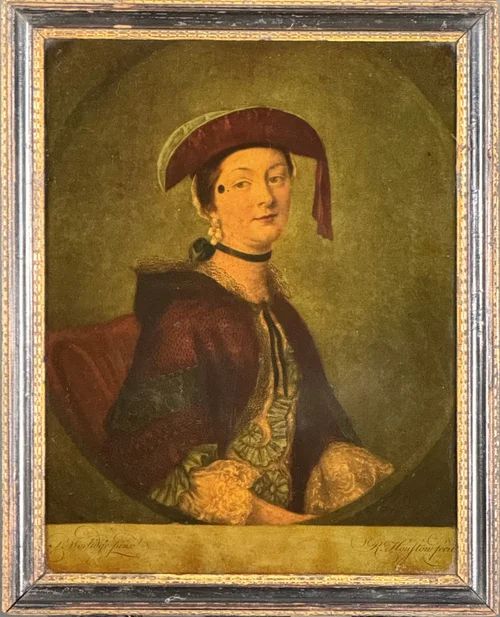
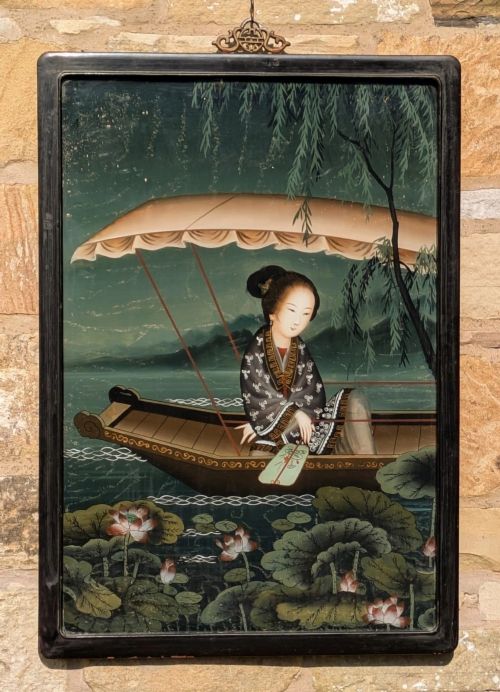
The selection ranges from Georgian reverse painted mezzotints and 19th-century Chinese reverse paintings to Art Deco bevelled mirrors and sandblasted glass wall decorations. Each period brings a distinct aesthetic, from the delicate portraiture of the 18th century to the bold geometric lines of the 1920s.
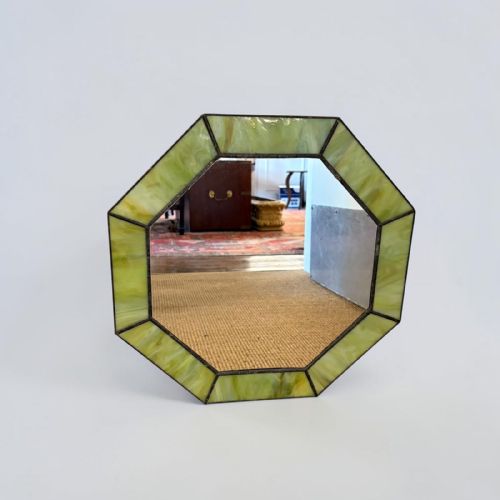
The pieces often bridge the gap between fine art and decorative object, utilising glass as both a canvas and a reflective medium. Whether it is an Art Deco mirror framed in green glass or an intricate reverse glass print, these items command attention through their unique material presence.
Assessing quality
Quality in these works is defined by the precision of the execution, whether in the fine brushwork of a reverse painted portrait or the clean bevel of an Art Deco mirror. The clarity of the glass and the preservation of the pigments or silvering dictate the visual impact of the piece.
Artistry in design, such as the intricacy of sandblasted motifs or the depth achieved in Chinese reverse paintings, separates standard decorative items from exceptional examples. Original framing and the intact condition of delicate glass elements further elevate the standing of a piece.
Listings feature items spanning the 18th, 19th, and 20th centuries, utilising glass, wood, brass, and oil paint.
Irene Christobelle Pownoll Williams·Charles Spooner·Konstantin Stoitzner·Salviati Venice
The Green Glass Wall Art Glossary
- Reverse glass print
- An image transferred or painted onto the back of a glass sheet so that it is viewed through the front. This technique protects the pigment while producing a glossy, luminous surface.
- Chrystoleum
- A method of applying a hand-painted photograph or print to glass, convexing it, and then thinning the paper to allow oil paints to be applied from behind. It creates a rich, three-dimensional effect popular in the 19th century.
- Mezzotint
- A printmaking process where the copper plate is roughened to achieve tones and gradients rather than simple lines. When combined with reverse painting, it results in deeply atmospheric tonal portraits.
- Latticinio
- A type of Venetian glass decoration featuring intricate white or coloured glass threads embedded within clear glass. It requires high skill from the glassblower to maintain uniform patterns.
- Sandblasted
- A technique where high-pressure abrasive material etches the surface of the glass to create opaque, frosted designs. It offers texture and contrast against smooth, reflective green glass panels.
Green Glass Wall Art: Frequently Asked Questions
How do I hang a heavy glass wall piece securely?
Heavy glass pieces and mirrors require robust wall fixings suited to the specific wall type, such as solid brick or studwork. It is essential to utilise appropriate brackets or mirror plates that can bear the combined weight of the glass and its wooden or brass frame.
Professional installation is often recommended to ensure the weight is distributed evenly, preventing stress fractures in the glass panels over time.
What is the difference between reverse glass prints and oil paintings?
Reverse glass prints involve applying ink or paint directly to the back of a glass sheet, creating a smooth, protected surface with a distinct sheen. Oil paintings on panel or canvas rely on traditional textured brushwork applied to an opaque surface.
While both appear in wall art collections, reverse glass works offer a reflective brilliance that standard canvas paintings cannot replicate.
How do I date an Art Deco green glass mirror?
Art Deco pieces typically display characteristic geometric shapes, stylized motifs, and distinctive emerald or green glass border panels. The construction of the wooden backing boards and the type of mirror screws or fixings often provide clues to the manufacturing period.
Comparing the bevel style and the hue of the green glass with dated examples helps narrow down the era of production.