



Green Glass Globe
These green glass globe pieces bring rich colour and spherical form to a room, offering the distinct appeal sought by collectors.
Green Glass Globe
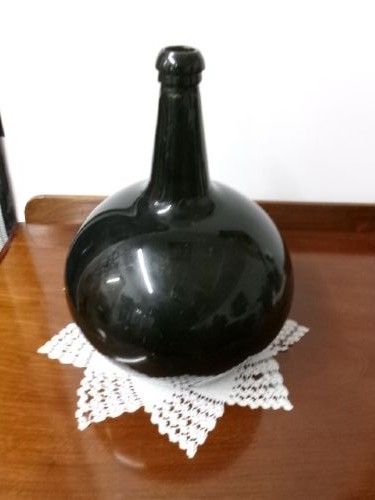
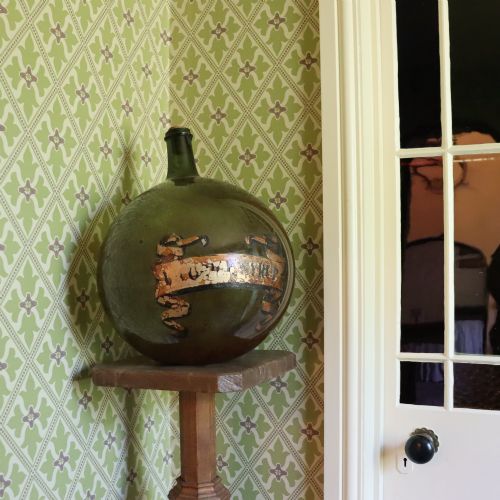
When you search for green glass globe, you find a varied collection of spherical objects, lighting components, and apothecary vessels spanning the Georgian, Victorian, and Art Deco periods. These pieces serve functional lighting roles as lamp shades, ceiling globes, and oil lamp shades, alongside decorative spheres like witches balls and apothecary carboys.
You are most likely to encounter Victorian oil lamp shades and Art Deco ceiling globes on this page. These examples show the enduring popularity of spherical green glass across domestic lighting and decorative uses from the nineteenth and early twentieth centuries.
How they were made
Makers utilised free-blowing and mould-blowing techniques to shape the molten metal into spherical forms, often employing pale or dark green glass batches. The resulting globes and shades display the characteristic bubbles and surface irregularities typical of historical glass production.
Many of these spherical glass components are combined with brass, marble, metal, and spelter mounts, particularly in table lamps and mood lamps from the Art Deco and Victorian eras. These mixed-media constructions anchor the fragile glass globes securely to weighted bases or ceiling fittings.
Green Glass Globe Retail Price Guide 2026
Typical asking prices for green glass globe among the pieces listed under this phrase on Sellingantiques today, from the lower quarter to the upper quarter. They describe what is for sale here now, not the wider market.
Witches balls were tucked into cottage windows to trick local spirits into staring at their own reflections rather than causing mischief.
What varies in quality
The depth and consistency of the green glass colour dictate much of the visual appeal, ranging from subtle pale green tones to rich dark hues. Superior examples exhibit an even saturation throughout the sphere without unintended cloudiness.
The integration between the glass globe and its surrounding metal or marble mounts distinguishes finer decorative objects. Well-executed pieces show precise fitting where the spherical glass meets brass collars or figural spelter bases.
The Green Glass Globe Glossary
- Carboy
- A large globular glass bottle used originally for holding chemical or apothecary liquids. These substantial vessels often feature deep green glass.
- Witches ball
- A decorative glass sphere traditionally hung in windows to ward off evil spirits and malevolent witch spells. Collectors prize these closed glass globes for their vibrant colour.
- Spelter
- An alloy of zinc used widely as a cheaper alternative to bronze for sculptural bases. It frequently appears supporting Art Deco mood lamps.
- Apothecary vessel
- A glass container utilised by chemists and pharmacists for storing herbs, liquids, or powders. They often take a large globular or onion shape.
Green Glass Globe: Frequently Asked Questions
What is a green glass globe used for?
These pieces function primarily as lighting shades, ceiling globes, and decorative apothecary vessels. They diffuse light softly while adding rich colour to an interior.
Historically, larger globes and carboys held liquids in dispensaries, while smaller spheres served domestic lighting and protective talismanic roles.
How do I date a green glass globe?
Dating relies on examining the manufacturing technique, mount materials, and overall style of the piece. Georgian and Victorian examples often show hand-blown characteristics with pontil marks.
Art Deco items typically incorporate geometric brass mounts or stylised figural bases made from spelter and marble.
Are these globes hand-blown?
Many examples across the Georgian and Victorian periods are created using traditional hand-blowing methods. This technique produces slight variations in wall thickness and small trapped air bubbles.
Later twentieth-century production occasionally utilised moulds to achieve uniform spherical dimensions for electrical lighting.
How should I clean a vintage glass globe?
Clean the glass gently using lukewarm water and a mild detergent to preserve the historic surface. Avoid harsh chemical cleaners that might damage aged patinas on attached brass or metal fittings.
Dry the sphere thoroughly with a soft cloth to prevent water spots from forming on the green glass.