



Green Garden Pots
These green garden pots bring character to planting schemes, offering resilient metal and earthenware forms that suit courtyard gardens and terraces alike.
Green Garden Pots
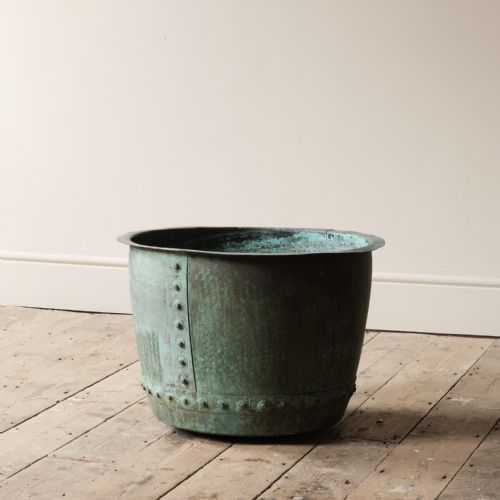
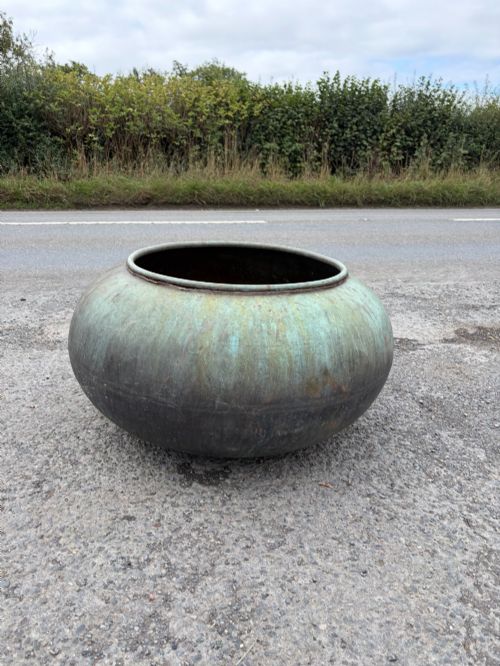
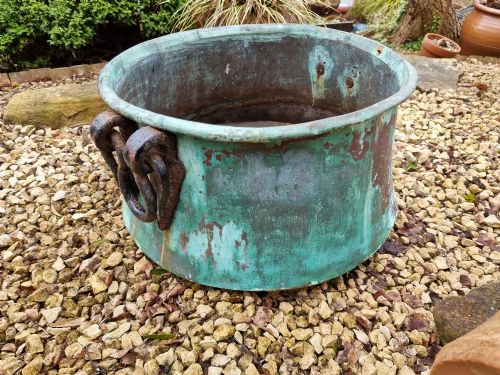
Buyers will most frequently find nineteenth century copper pots and nineteenth century cast iron urns alongside earthenware pieces. These items combine practical garden utility with robust construction.
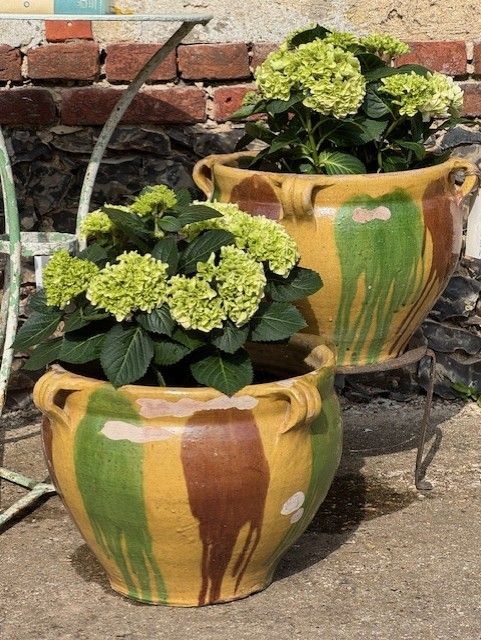
Forms range from simple riveted copper vessels to painted garden urns and dribble glazed French planters. Each piece reflects the functional requirements of nineteenth century country and rustic farmhouse settings.
Materials and construction
Makers utilised copper, cast iron, and terracotta, shaping metal through riveting and casting techniques. Surface treatments include applied paint finishes and natural verdigris accumulation.
Earthenware planters display distinct glazing methods, notably dribble glaze effects seen on pieces from the south of France. Iron and copper vessels rely on heavy gauge metal to withstand outdoor conditions.
Green Garden Pots Retail Price Guide 2026
Typical asking prices for green garden pots among the pieces listed under this phrase on Sellingantiques today, from the lower quarter to the upper quarter. They describe what is for sale here now, not the wider market.
Listings feature items from the nineteenth century alongside mid-twentieth century pieces, utilising copper, cast iron, paint, terracotta, and glazed earthenware.
Judging quality
Quality rests upon the weight of the metal, the integrity of riveted seams, and the subtlety of the surface finish. Heavy gauge cast iron and thick copper vessels demonstrate superior foundational making.
Surface character distinguishes standard utilitarian examples from more decorative pieces, particularly where natural verdigris or deliberate paint and glaze layers have matured evenly.
The Green Garden Pots Glossary
- Verdigris
- A green patina formed naturally on copper through atmospheric exposure. This oxidation layer provides both protection and distinctive coloration.
- Riveted
- Joined together using metal pins hammered flat to secure heavy sheets. This technique ensured watertight strength in copper pots and log bins.
- Dribble glaze
- A ceramic finishing method where liquid glaze runs unevenly down the vessel body. It creates accidental patterns typical of regional earthenware production.
- Cast iron
- Iron poured molten into a mould to create rigid shapes. It allowed nineteenth century makers to produce ornate garden urns with sharp detailing.
Green Garden Pots: Frequently Asked Questions
How are antique copper pots used in gardens?
These metal vessels function effectively as direct planters or as decorative cachepots for larger potted plants. Their durable construction suits patio placement.
They also serve indoors or on covered terraces as log bins, holding firewood close to a hearth while displaying aged metal surfaces.
Can cast iron urns stay outside all year?
Cast iron garden urns are robust enough to withstand outdoor conditions throughout all seasons. Their heavy metal composition provides stability against winter weather.
Positioning them on solid ground prevents sinking into soil during wetter months.
What causes the green colour on copper pots?
The green coloration, known as verdigris, develops naturally when copper reacts over decades with moisture and air. This chemical process creates a protective layer on the metal.
In some instances, finishes are applied to emulate this aged appearance more quickly on decorative pieces.
How do I identify a French provincial planter?
French provincial planters often display regional earthenware characteristics such as dribble glazes originating from specific southern ceramic centres. Their forms reflect traditional rural utility.
Makers in these areas prioritised robust earthenware suited to Mediterranean planting traditions.