




Green Dresser
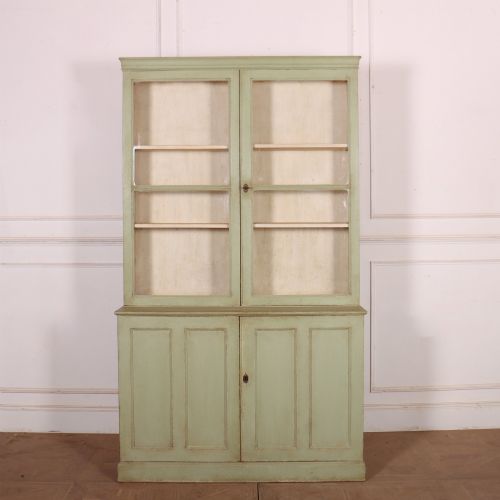
A green dresser brings functional storage and painted or natural timber character directly from country houses and provincial kitchens into modern rooms.
Green Dresser
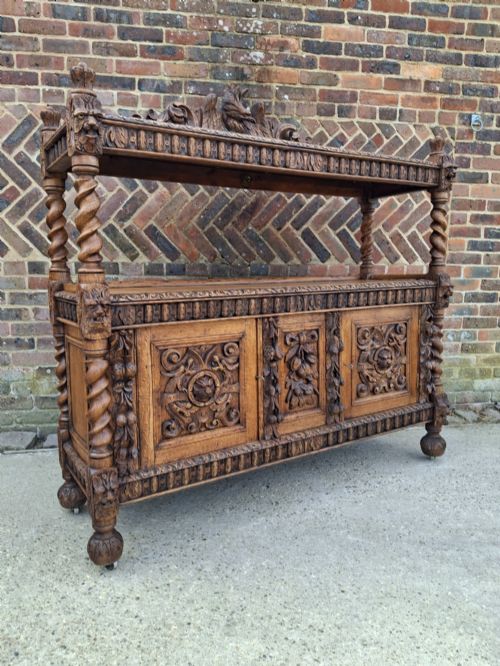
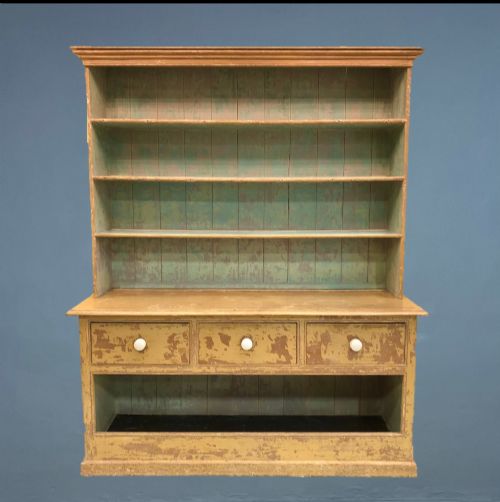
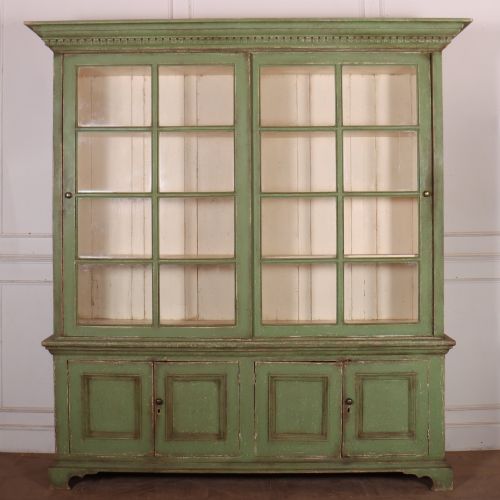
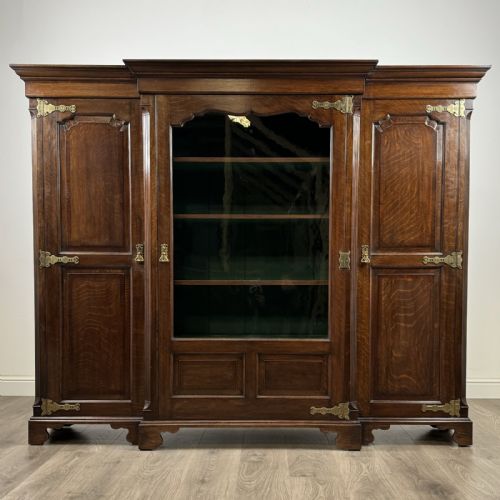
A green dresser unites kitchen dressers, dresser bases, and painted cupboards originating from 18th century, 19th century, Georgian, Victorian, and Edwardian periods. Buyers encounter heavy oak pieces with carved Green Man motifs alongside softer pine and walnut examples reflecting English country, French provincial, and Scandinavian styles.
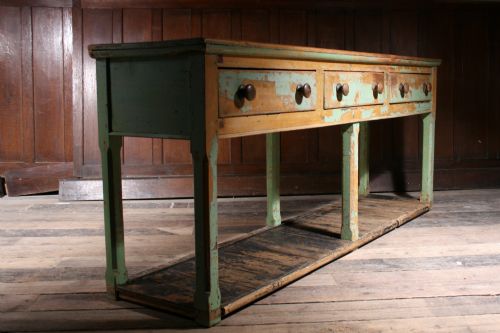
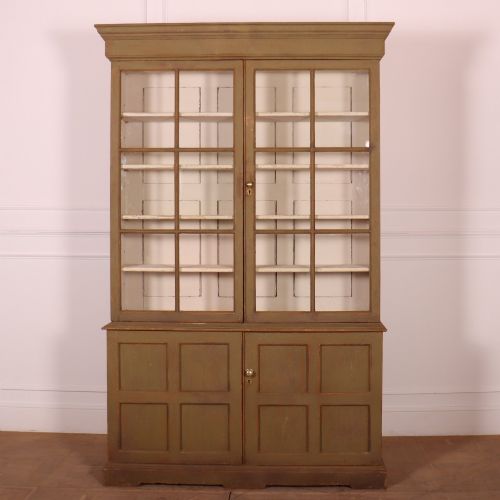
Forms span large kitchen dressers with potboard shelves, low dresser bases, and sideboards designed for utilitarian domestic storage. The palette relies on original or later painted surfaces in muted green tones that highlight regional cabinet-making traditions.
Materials and construction
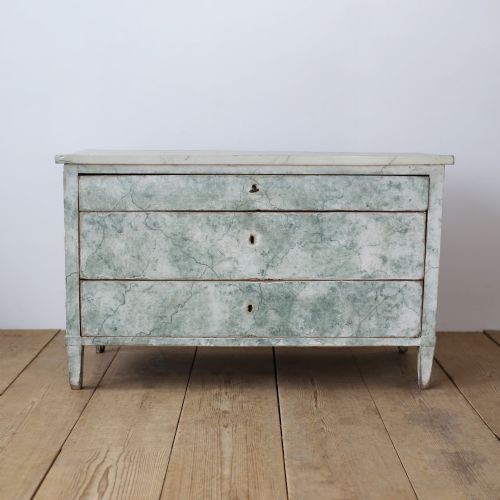
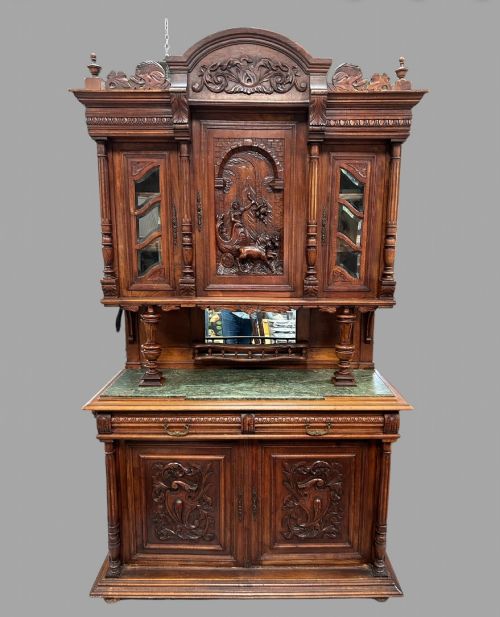
Solid pine, oak, and walnut form the structural carcasses of these pieces, joined using traditional cabinetry methods suited to heavy domestic service. Surfaces frequently carry layers of historic paint applied over timber, alongside brass hardware and marble tops on continental commodes.
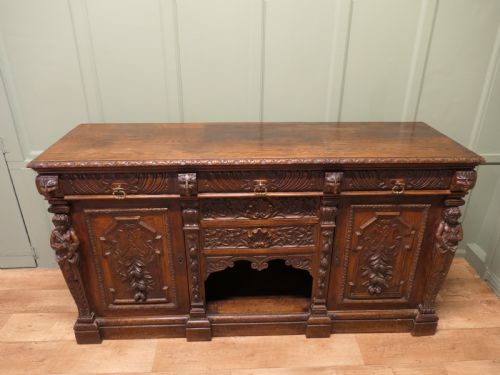
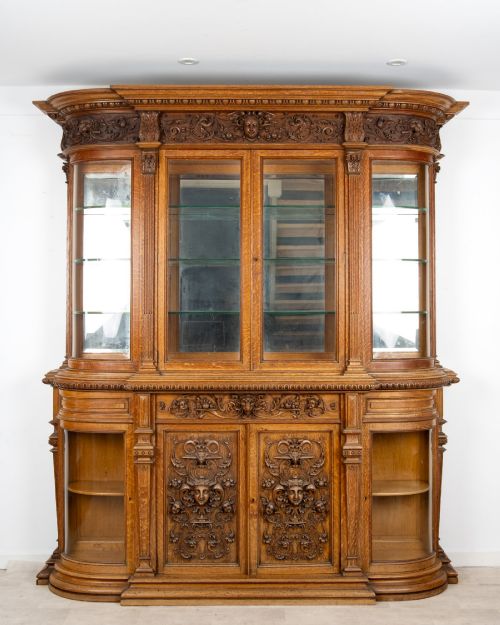
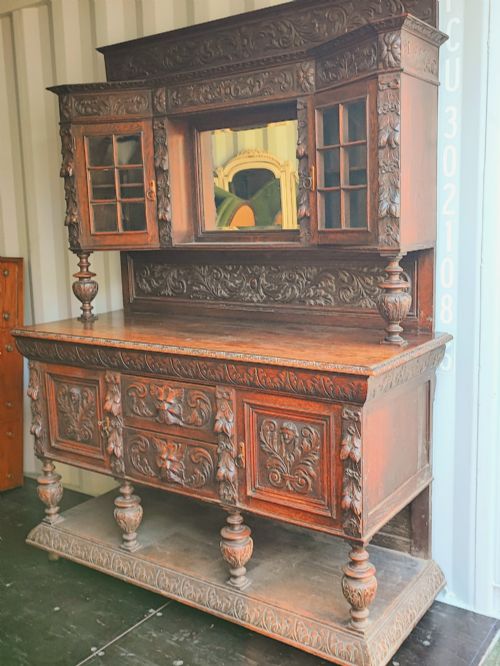
Carving appears on specific regional pieces, notably Victorian oak items featuring detailed Green Man motifs or relief work. Paint finishes interact with the underlying grain of the wood, showing age-related wear across panels and drawer fronts.
Green Dresser Retail Price Guide 2026
Typical asking prices for green dresser among the pieces listed under this phrase on Sellingantiques today, from the lower quarter to the upper quarter. They describe what is for sale here now, not the wider market.
Several Victorian oak cupboards stare back at you through intricate Green Man carvings hiding amongst the foliage.
Distinctions in quality
Quality rests upon the integrity of the timber, the retention of original painted surfaces, and the depth of provincial carving. Pieces retaining untouched historic paint schemes and solid backboards command greater interest than heavily restored examples.
Proportion and execution separate utilitarian workshop items from high-style regional furniture. The crispness of carved oak details, such as Green Man masks, and the balance of secondary woods dictate the standing of individual dressers.
Gillow & Co·Hobbs & Co·Fasold & Stuach
The Green Dresser Glossary
- Dresser base
- A low sideboard or cupboard portion of a kitchen dresser, usually fitted with multiple drawers above lower doors.
- Potboard
- An open slatted lower shelf found on traditional kitchen dressers, originally utilised for storing heavy pots and pans.
- Green Man
- A sculptural architectural ornament depicting a human face carved with leaves, vines, or foliage emerging from the mouth.
- Commode
- A low French or continental chest of drawers, frequently fitted with a marble top and decorative mounts.
- Provincial
- Furniture made in regional workshops outside metropolitan centres, displaying local vernacular construction methods and designs.
Green Dresser: Frequently Asked Questions
What is a green dresser?
A green dresser is a functional timber storage unit, such as a kitchen dresser, dresser base, or cupboard, finished with a green painted surface.
These pieces originate from various 18th century and 19th century regional traditions, incorporating materials like pine, oak, and walnut.
How were green dressers used?
Domestic kitchens and dining areas utilised these pieces for storing tableware, dry foods, and heavy cooking vessels.
Potboards and lower cupboards kept everyday utensils accessible while tabletops provided a surface for food preparation.
How do I style a green dresser?
Placing a green dresser in a dining room or kitchen allows it to function as a focal point for displaying ceramics and glassware.
Pairing the painted timber finish with neutral walls highlights the historic character and regional design of the piece.
How do I identify the period?
Examining the construction methods, drawer linings, and hardware types helps determine whether a piece belongs to the Georgian, Victorian, or Edwardian eras.
Surface patination and paint layering provide further clues regarding the age and history of the timber.