





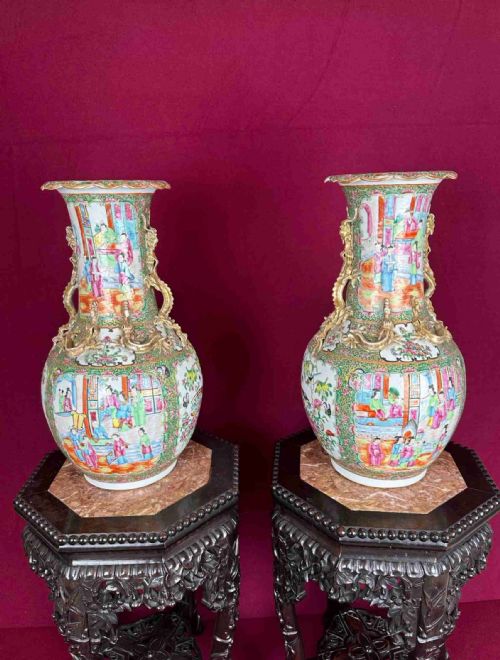

Green Dragon Porcelain
Green dragon porcelain brings together mythical serpent motifs and ceramic traditions across periods from the Georgian era through to the twentieth century.
Green Dragon Porcelain
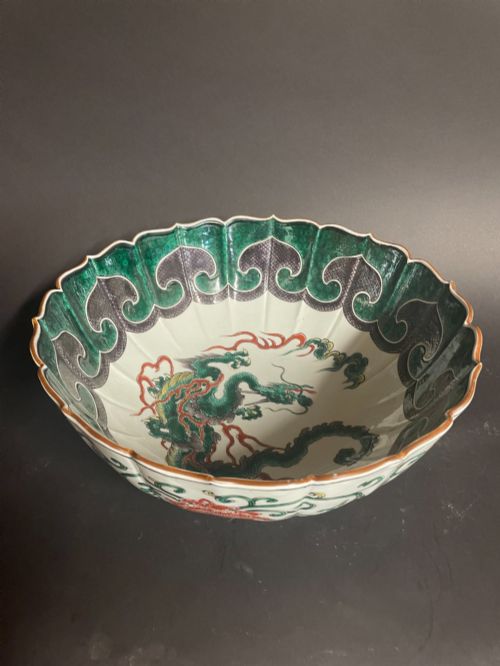
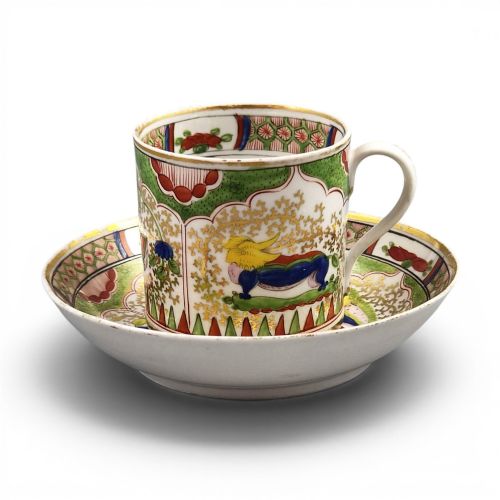
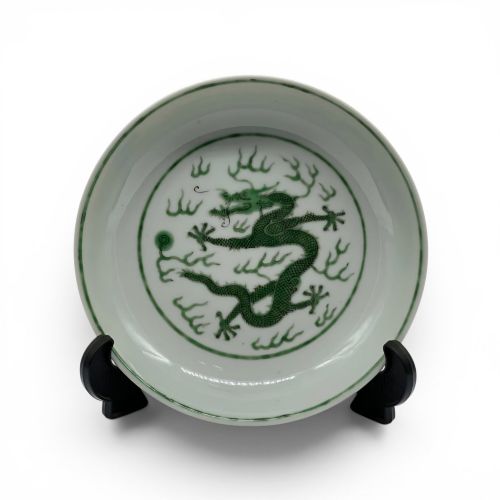
Green dragon porcelain encompasses items decorated with intricate reptilian motifs, spanning eighteenth-century British factories to Chinese export wares and twentieth-century lustre production. When you search for green dragon porcelain, you encounter forms such as decorative bowls, cabinet plates, coffee cups and saucers, and jars with lids.
The pieces on this page originate from diverse aesthetic traditions including Regency Chinoiserie, Qing Dynasty styles, Art Nouveau, and Art Deco. British examples often interpret Eastern motifs through factories like Worcester and Wedgwood, while other items reflect direct Chinese manufacture from the nineteenth century.
Vessels range from domestic tea wares to substantial decorative dishes and vases dated across the Georgian, Victorian, and later periods. Each piece demonstrates how makers adapted traditional dragon symbolism to suit changing European and Asian tastes over two centuries.
Materials and production techniques
Makers utilised porcelain, bone china, and ceramic glaze as the primary foundations for these vessels, applying enamel colours and lustre glazes to build the surface imagery. Gold leaf, gold gilding, and gilt accents frequently highlight the dragon motifs and compartment borders.
Techniques varied from traditional Chinese overglaze enamelling and doucai methods to specialised British lustre applications developed in the early twentieth century. Firing processes required precise temperature control to bond the metallic glazes and detailed enamel pigments to the porcelain body.
Green Dragon Porcelain Retail Price Guide 2026
Typical asking prices for green dragon porcelain among the pieces listed under this phrase on Sellingantiques today, from the lower quarter to the upper quarter. They describe what is for sale here now, not the wider market.
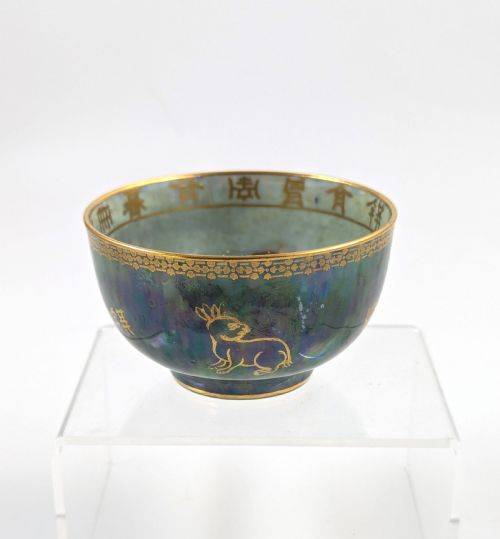
Five-clawed dragons once signaled imperial status in China, though twentieth-century British designers happily set them loose inside octagonal lustre bowls.
Factors of distinction
Quality rests upon the precision of the enamel work and the crispness of the painted dragon scales and claws, whether executed in a factory or studio setting. The application of gold leaf and gilt detailing contributes to the visual depth of the piece.
The sophistication of the glaze, particularly in lustre and doucai examples, separates standard production from exceptional specimens. Form and historical attribution further influence the standing of each item within its period.
Worcester·Barr Flight And Barr·Daisy Makeig-Jones·Wedgwood
The Green Dragon Porcelain Glossary
- Doucai
- A Chinese porcelain technique involving underglaze blue outlines filled in with overglaze enamels. This method creates a contrasting multi-coloured effect popular in imperial wares.
- Lustre Glaze
- A ceramic finish containing metallic elements that produce an iridescent sheen when fired. It was used to great effect by twentieth-century designers.
- Dragon in Compartments
- A specific decorative pattern featuring mythical dragons divided by geometric or floral borders. It appears frequently on early nineteenth-century British porcelain.
- Bone China
- A type of soft-paste porcelain incorporating bone ash, known for its high strength and translucency. British factories adopted it widely for tea and tableware.
Green Dragon Porcelain: Frequently Asked Questions
How do I care for green dragon porcelain?
Wash these pieces gently by hand using mild soap and lukewarm water, avoiding abrasive sponges or harsh detergents that might damage the surface enamels.
Keep them away from direct sunlight and extreme temperature fluctuations to protect the gold leaf and delicate glazes over time.
Are these pieces suitable for daily use?
Most antique decorative items are best reserved for display rather than routine dining, particularly those featuring delicate gilding or historic lustre finishes.
Cups and saucers from later periods can handle occasional use, but careful handling remains essential to preserve their decorative surfaces.
How can I tell a British piece from a Chinese piece?
British examples from factories like Worcester or Wedgwood typically display specific European shapes, potting standards, and pattern names associated with the Regency or early twentieth-century eras.
Chinese export and imperial-style wares utilise traditional forms such as doucai jars and specific dynastic marks that reflect Eastern manufacturing traditions.
What period do most of these items date from?
The listings span the Georgian, Victorian, and early twentieth-century periods, with specific items attributed to the nineteenth and early twentieth centuries.
Stylistic influences range from Regency Chinoiserie and Qing Dynasty traditions through to Art Nouveau and Art Deco aesthetics.