



Green Decorative Urns
Green decorative urns bring rich colour and classic presence to a room, ranging from cast iron garden vessels to delicate porcelain table pieces.
Green Decorative Urns
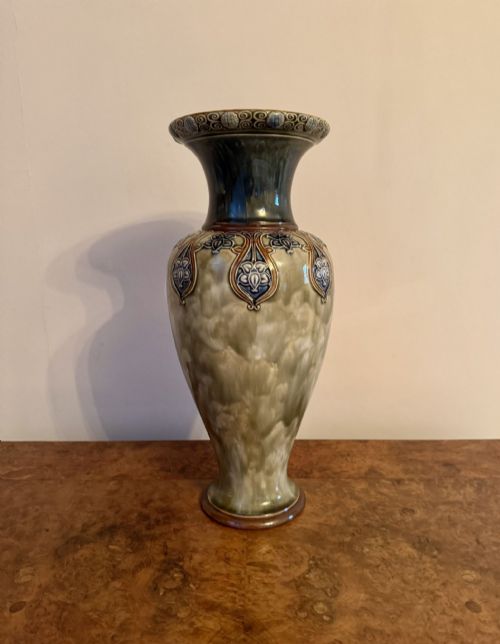
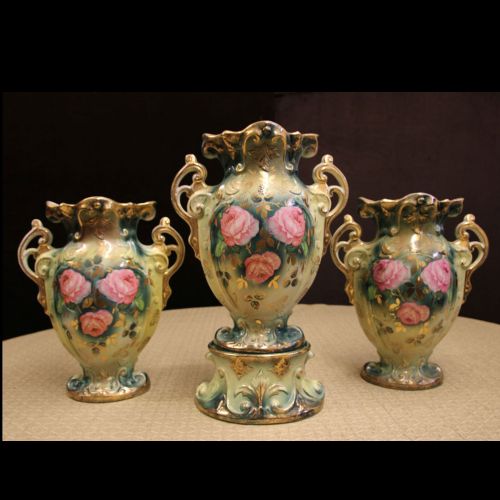
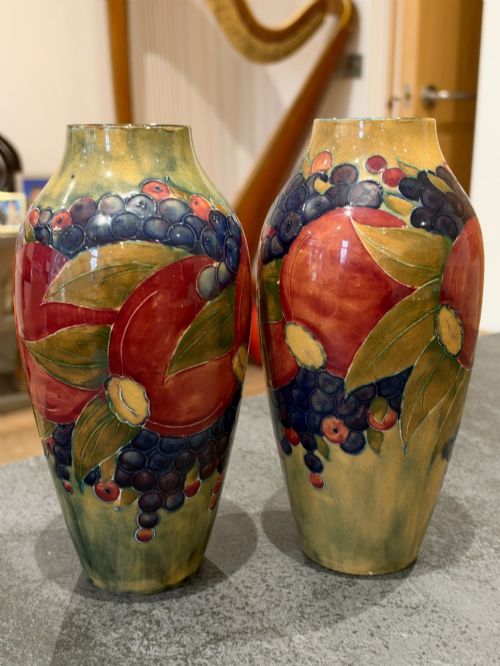
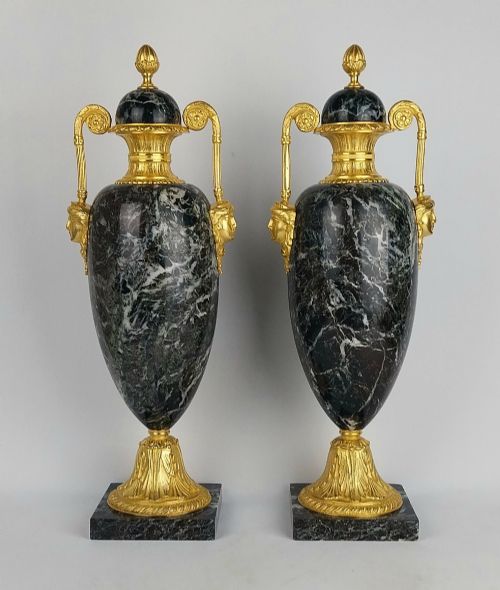
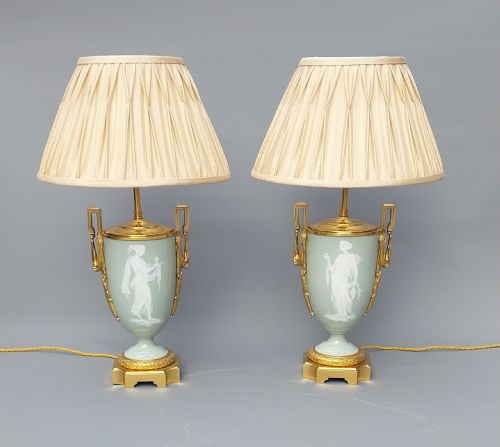
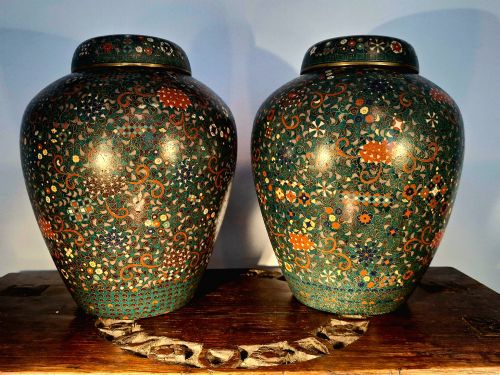
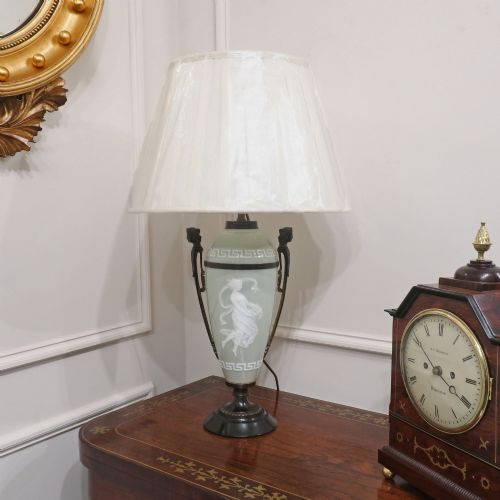
Green decorative urns span a wide variety of forms and eras, appearing as monumental garden pieces in cast iron and stone alongside delicate porcelain and ceramic vessels for interior display. Buyers searching this phrase encounter everything from French Neoclassical table lamps and Japanese cloisonné enamel jars to large Italian majolica planters and Victorian stoneware.
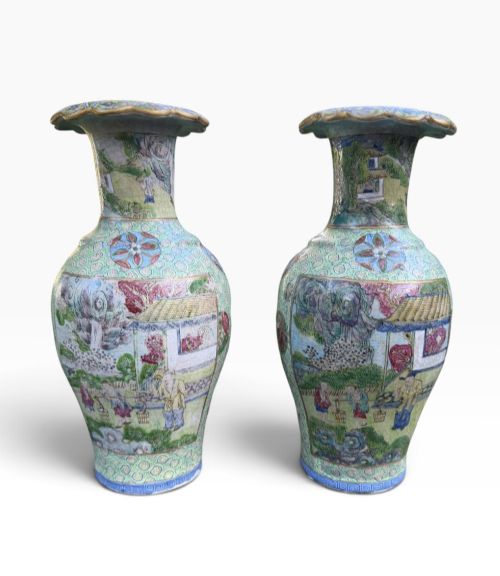
The materials and styles reflect global traditions, incorporating Chinese celadon and famille rose alongside European Arts and Crafts, Art Nouveau, and Art Deco designs. Many items function as lidded ginger jars, jardinières, or converted table lamps, offering versatile ways to introduce botanical hues into a domestic interior or garden setting.
How They Were Made
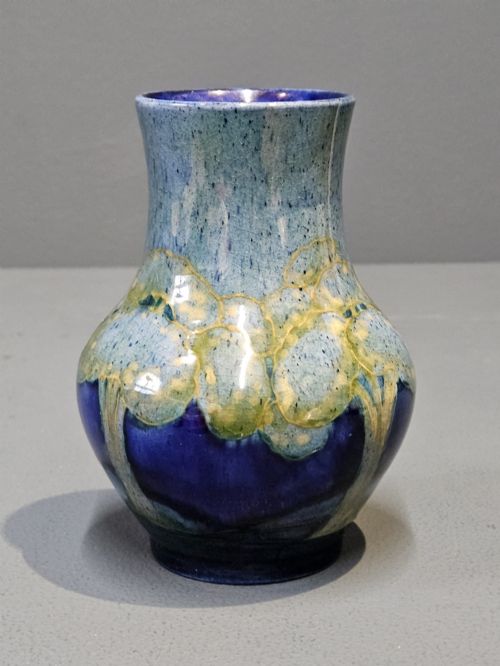
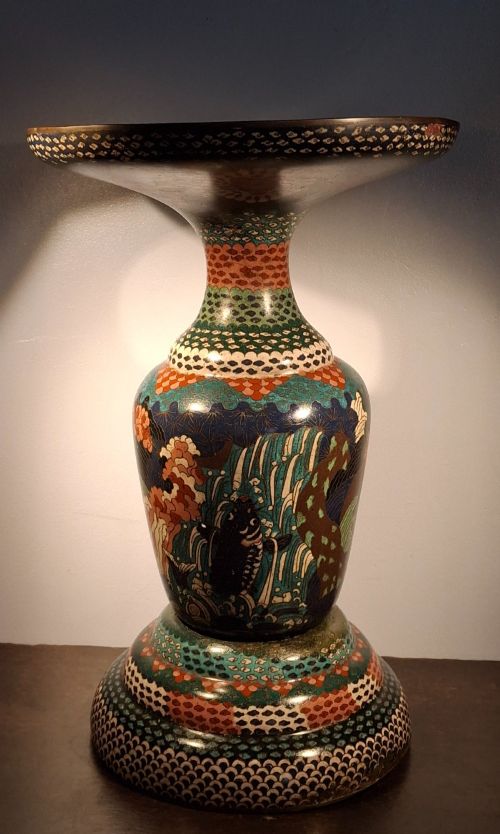
Makers utilised diverse manufacturing techniques, combining metal casting for heavy iron and bronze garden urns with intricate hand-painted enamel and pâte-sur-pâte glazing on ceramic bodies. Cloisonné pieces rely on soldered wire cells filled with enamel paste, while stoneware and earthenware examples demonstrate the skilled application of coloured glazes and lustre finishes.
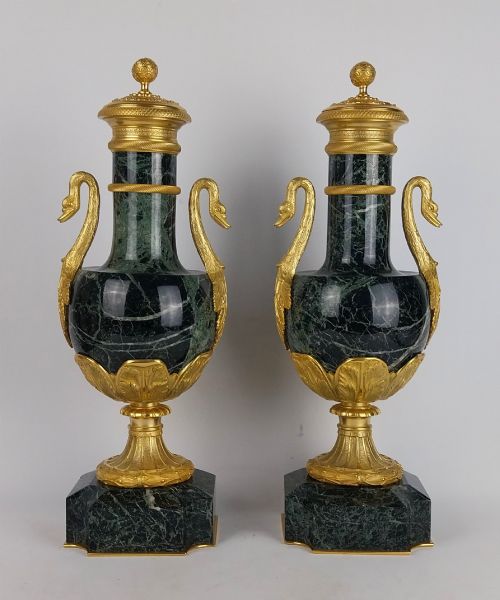
Mounts in gilt bronze or wrought iron often complement marble and glass bases, showing precise metalwork that mirrors French Empire and Louis XVI aesthetic traditions. Ceramic bodies undergo high-temperature firing to achieve deep mottled green glazes or crackle-celadon surfaces that endure across centuries.
Green Decorative Urns Retail Price Guide 2026
Typical asking prices for green decorative urns among the pieces listed under this phrase on Sellingantiques today, from the lower quarter to the upper quarter. They describe what is for sale here now, not the wider market.
The selection includes regional styles from British potteries, French ateliers, Japanese workshops, and Chinese dynastic periods.
What Varies in Quality
Quality rests upon the crispness of surface detail, whether in the precision of cloisonné wirework, the depth of hand-painted figural decoration, or the clean casting lines of heavy iron and bronze garden pieces. Superior examples exhibit harmonious proportions, original patination, and intact mounts that integrate seamlessly with the main body.
The complexity of the glaze or enamel work distinguishes standard production from exceptional studio pieces, with layered colours and fine brushwork indicating superior craftsmanship. Retention of original lids, matching pairs, and authenticated maker attribution further elevate the standing of an individual piece.
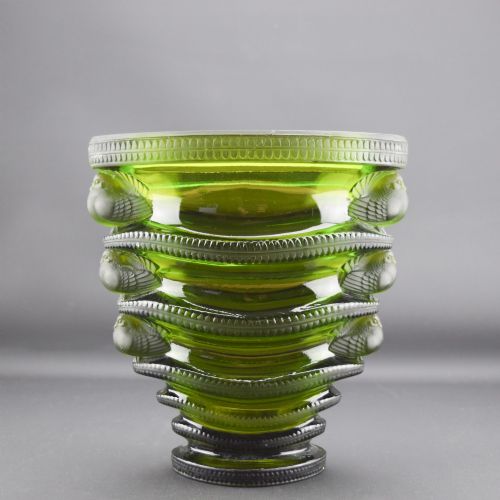
Royal Doulton·Royal Worcester·Rene Lalique·Ernst Wahliss·Royal Lancastrian
The Green Decorative Urns Glossary
- Celadon
- A pale green jade-like ceramic glaze originating in East Asia. It covers stoneware and porcelain bodies with subtle crackle effects.
- Cloisonne
- An enamel decoration technique using thin metal wires soldered to a base. Coloured paste fills the resulting compartments before firing.
- Majolica
- A heavy earthenware pottery covered with an opaque tin-glaze. It is painted with bright colours and often moulded with naturalistic relief.
- Pate-sur-pate
- A porcelain decoration method where wet white slip builds up in layers on a coloured body. This creates a low-relief cameo effect.
Green Decorative Urns: Frequently Asked Questions
How do I clean antique enamel and porcelain urns?
Dust surfaces gently with a soft, dry brush to protect delicate glazes and metal mounts. Avoid chemical cleaners and water immersion, particularly on cloisonné or painted ceramic pieces.
For cast iron or bronze garden urns, remove debris carefully and apply a light protective wax where appropriate. Professional advice helps preserve original patination on vulnerable finishes.
Can heavy cast iron urns stay outside all year?
Cast iron garden urns withstand outdoor conditions well, though severe frost can sometimes affect older metal or trapped moisture. Elevating vessels on stone plinths prevents direct contact with damp ground.
Protecting delicate finishes during winter months ensures the longevity of both the metal and any decorative surface treatments applied to the piece.
How can I tell an Art Nouveau urn from a Victorian one?
Art Nouveau pieces showcase flowing, organic lines inspired by natural forms, often featuring stylized botanical motifs or whiplash curves. These designs frequently appear in stoneware and studio pottery from the late nineteenth and early twentieth centuries.
Victorian urns tend to favour more formal classical revivals, heavy moulding, and symmetrical ornamentation. Examining the manufacturing marks and glaze styles helps confirm the specific period.
Are lidded ginger jars and urns usable for fresh flowers?
Many ceramic and porcelain urns hold water safely, but antique pieces with porous earthenware bodies or delicate interior glazes require caution. Using a discreet glass insert protects the historic interior from moisture damage.
Lidded jars and potpourri vessels function primarily as decorative ornaments, so checking the interior condition prevents accidental staining of valuable ceramics.