


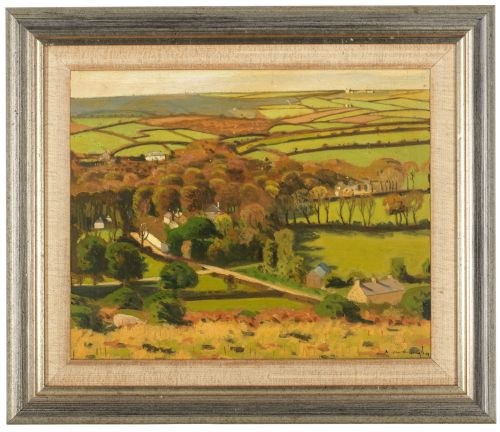
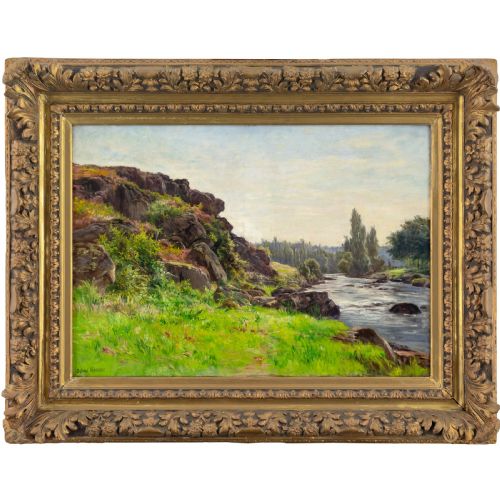
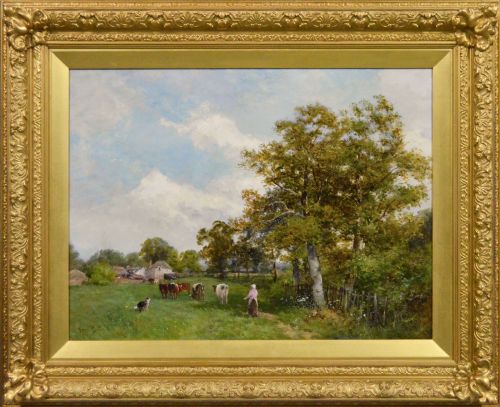
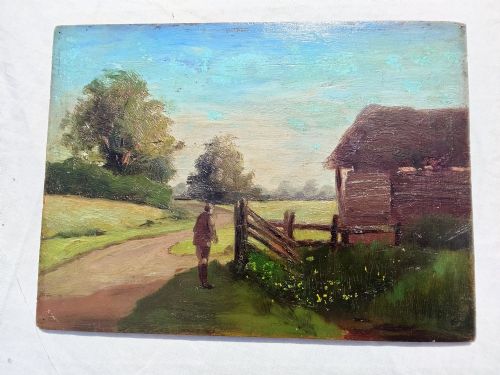
Green Countryside Landscape Painting
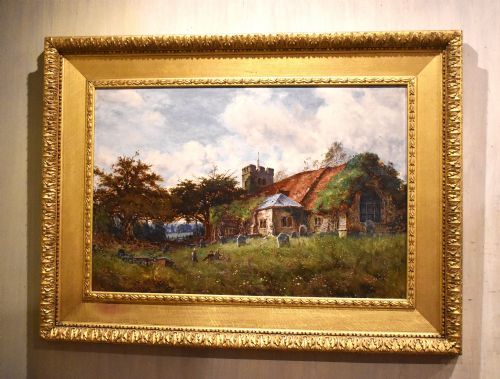
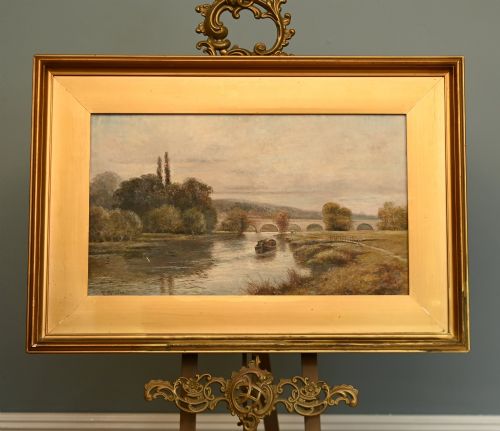
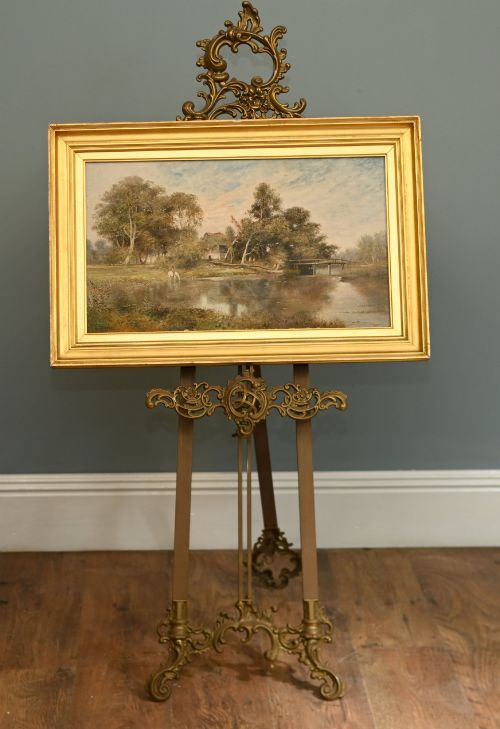
When you search for a green countryside landscape painting, you are looking at pastoral views captured in oils and watercolours from the Victorian era through the mid-twentieth century.
Green Countryside Landscape Painting
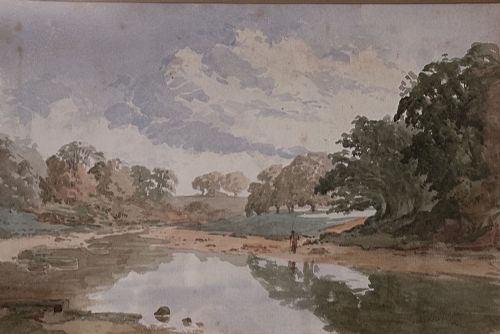
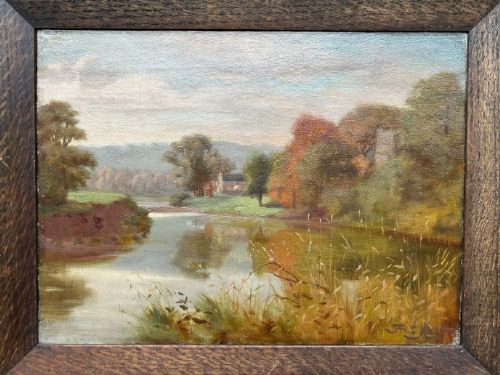
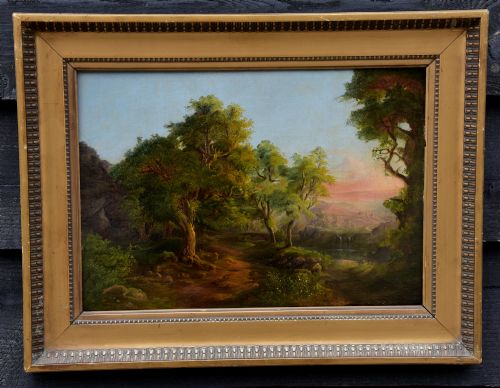
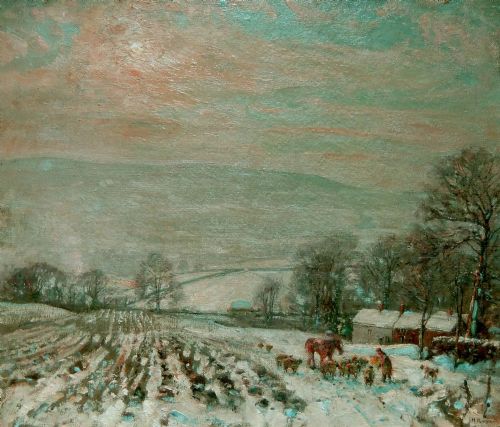
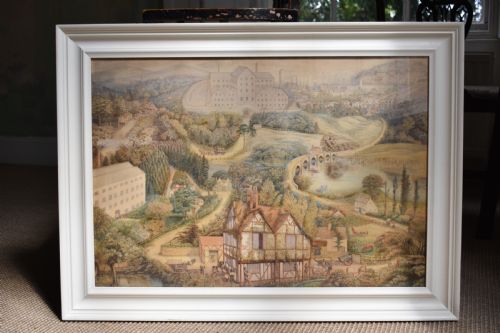
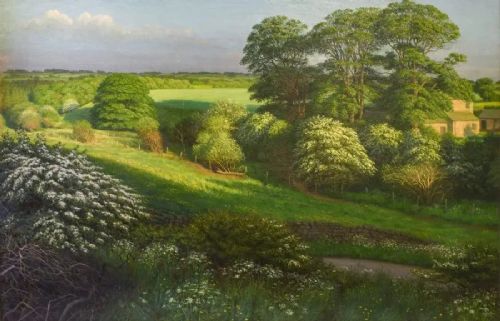
A green countryside landscape painting depicts rural scenes, river valleys, woodland pastures and coastal views created by British and European artists working between the nineteenth and mid-twentieth centuries. The selection encompasses works executed in oil paint on canvas or wooden boards, alongside watercolours on paper, framed for display.
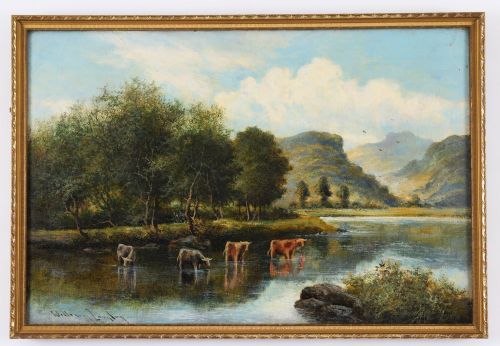
The most common examples you will encounter on this page date from the Victorian period up to the nineteen-thirties, featuring pastoral subjects such as cattle by rivers, figures on country tracks, and sheep grazing in open fields. These compositions reflect the enduring appeal of the natural world through various artistic movements including British Impressionism, Victorian Naturalism, and the English School.
How they were made
Artists painted these works primarily using oil paint or watercolour applied to stretched canvas, paper, or wooden panels, often framed behind glass or within decorative gilt surrounds. The handling of the medium ranges from smooth, detailed academic brushwork to thicker impasto applications that build texture on the surface.
Support materials varied according to the period and scale, with nineteenth-century pieces frequently utilising primed canvas on stretchers or heavy wooden boards, while later twentieth-century works make use of wood panels and heavy opaque gouache.
Several canvases capture cows pausing by riverbanks and sheep resting in the shade, proving that nineteenth-century livestock were just as fond of a quiet afternoon off.
What varies in quality
Quality in a green countryside landscape painting is determined by the artist's ability to capture light, atmosphere, and depth within the natural setting rather than mere technical neatness. Superior examples display confident brushwork, balanced composition, and a harmonious tonal range that brings the pastoral scene to life.
The distinction between standard works and finer pieces also rests on the preservation of the original paint layer and the quality of the period framing, with signed and documented works by established painters commanding greater attention from collectors.
Richard Sebastian Bond·William H Myers·George Graham·Frederick Marriott·Herbert Royle·Robert Morson Hughes·William Joseph Boyes·Gabriel Mathieu·David Bates·Harald Foss·Eric Brown·Henri Ottmann·Richard Redgrave·Ernest Higgins Rigg·Peter Newcombe·George Oyston·Rene Levrel·Russell Sidney Reeves·Alexander Wellwood Rattray·John Horace Hooper·Hubert Wellington·Edgar Woollatt·Joseph Edward Hennah·Charles Gregory·Helen Layfield Bradley
The Green Countryside Landscape Painting Glossary
- Oil paint
- A slow-drying paint made by mixing pigments with a drying oil, commonly linseed oil. This medium allows artists to blend colours smoothly and build rich surface textures.
- Impasto
- Paint applied thickly to a canvas or panel, standing out in relief from the plane. This technique adds tactile depth and catches light across the painted surface.
- Gilt frame
- A wooden picture frame coated with a thin layer of gold leaf or metallic gilt paint. These frames enhance the visual weight of nineteenth and early twentieth-century artworks.
- Watercolour painting
- A method where the paints are made of pigments suspended in a water-based solution. Works on paper in this medium rely on the white of the paper to provide luminosity.
Green Countryside Landscape Painting: Frequently Asked Questions
What periods do these paintings cover?
The works span from the nineteenth century through the Victorian era and into the mid-twentieth century. Most examples originate between eighteen-hundred and nineteen-sixty.
Artists during these decades captured rural life using traditional oil and watercolour techniques.
How do I care for an antique painting?
Keep framed paintings away from direct sunlight and fluctuating humidity to protect the canvas and paint layers. Avoid using chemical cleaners on the painted surface.
Dust the gilt frames gently with a dry, soft cloth to maintain their condition over time.
Are these paintings signed by the artists?
Many of the works featured here bear the original signature or initials of the artist, often inscribed in the lower corner of the canvas or paper. Some pieces also include contemporary inscriptions on the reverse.
Unsigned works from the period are frequently attributed to specific regional schools based on their style and technique.
What subjects appear in these landscapes?
Common subjects include river valleys, woodland paths, cattle and sheep grazing, farmsteads, and coastal inlets. Figures working or walking in the countryside also frequently appear.
These pastoral themes reflect the changing relationship between people and the natural world during the industrial and post-industrial eras.