




Green China Plates
Green china plates bring botanical motifs and deep hues to the table, spanning Regency dessert services and Chinese export chargers.
Green China Plates
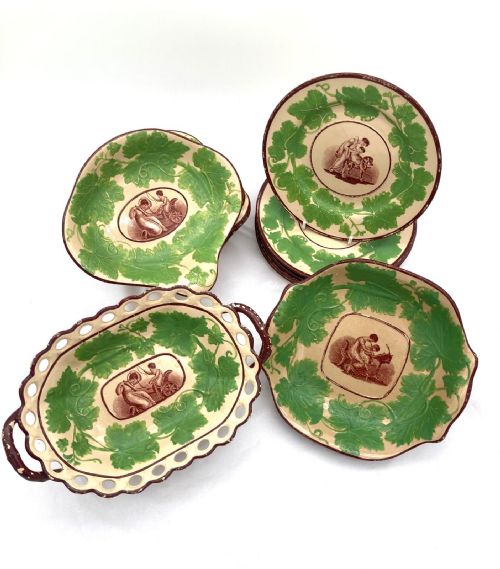
Green china plates comprise decorative cabinet pieces, dessert services, and armorial chargers spanning the eighteenth to the twentieth centuries. When searching for green china plates, buyers encounter both British factory production from Regency and Georgian periods and Chinese export porcelain.
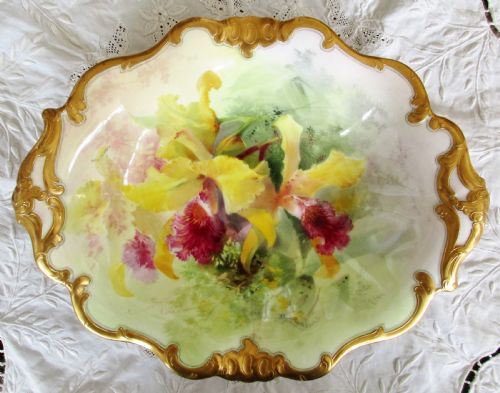
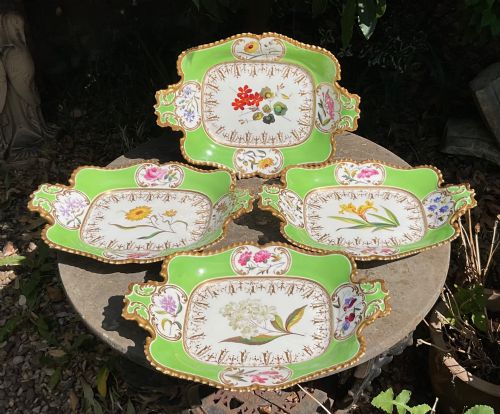
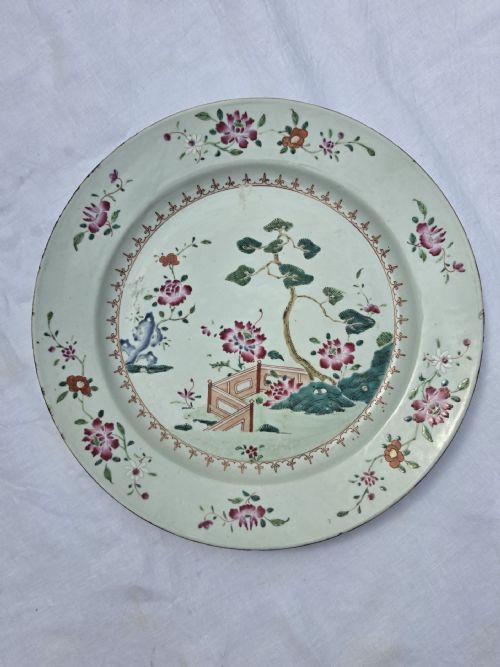
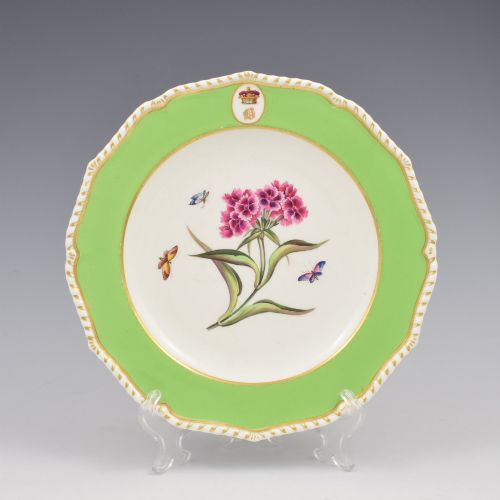
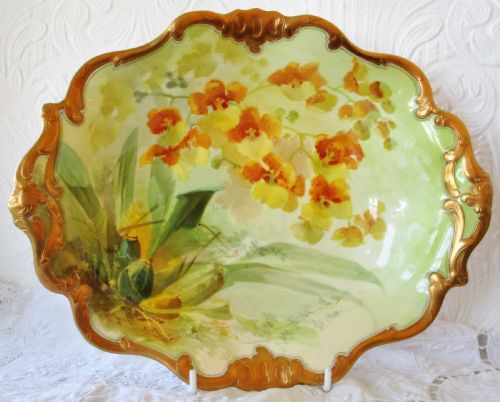
The selection here includes cabinet dishes and botanical plates bearing hand-painted floral or armorial details. Factory wares from Worcester, Minton, and Derby sit alongside Chinese Canton and Qianlong export pieces.
Distinctions in quality
Quality rests upon the crispness of the porcelain body and the precision of the hand-painted enamels. Superior examples demonstrate finely executed botanical subjects or armorial details painted by named factory artists rather than standard factory workers.
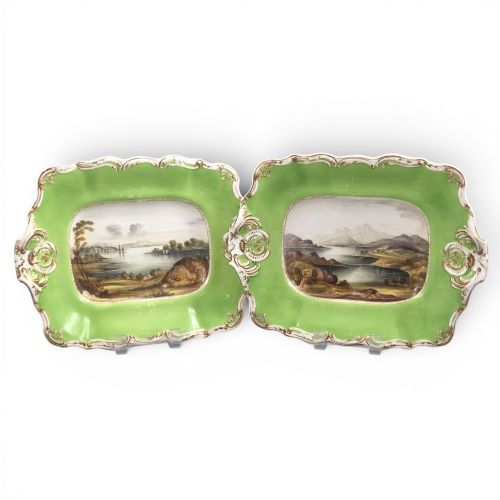
The depth and consistency of the apple green glaze combined with heavy gilding or gold leaf application elevate certain dessert plates and cabinet dishes. Intact sets with matching pattern numbers command greater interest than assembled groupings.
Green China Plates Retail Price Guide 2026
Typical asking prices for green china plates among the pieces listed under this phrase on Sellingantiques today, from the lower quarter to the upper quarter. They describe what is for sale here now, not the wider market.
Current listings feature porcelain and ironstone materials across Georgian, Regency, and twentieth-century production dates.
Chamberlains Worcester Porcelain·Royal Doulton English Porcelain·Copeland and Garrett·Bloor Derby Porcelain·Worcester Barr Flight and Barr·Royal Crown Derby Plate
The Green China Plates Glossary
- Cabinet plate
- A decorative ceramic dish intended for display in a cabinet rather than functional dining use. These often feature elaborate hand-painted scenes or rich gilding.
- Armorial
- A ceramic design incorporating a family coat of arms or heraldic crest. These were frequently commissioned by noble families from British and Chinese export factories.
- Hard-paste porcelain
- A dense ceramic material fired at high temperatures using kaolin and petuntse. It produces a ringing tone when struck and resists scratching.
- Dessert service
- A matching set of plates, dishes, and compotes designed for the final course of a formal meal. Surviving sets often display botanical or topographical motifs.
- Gilding
- The application of gold leaf or powdered gold to ceramic surfaces for decorative borders and accents. Quality depends on the thickness and burnishing of the gold.
Green China Plates: Frequently Asked Questions
How were dessert services used?
Dessert services served fruit, sweetmeats, and confections during the final course of formal Georgian and Regency dinners. They typically included a central compote flanked by matching plates.
Guests would use these plates while conversation continued after the main dining table was cleared. The matching pieces created a unified display for the host's table.
What is a cabinet plate?
Cabinet plates were purely decorative items displayed on walls or inside glazed furniture rather than used for food. Their delicate gilding and detailed painted subjects made them unsuitable for daily dining.
Manufacturers produced these to showcase the pinnacle of their factory's artistic skill. They frequently feature botanical studies or portrait subjects.
How do I date Chinese export porcelain?
Chinese export porcelain dating relies on stylistic evidence, paste composition, and enamel characteristics. Pieces from the Qianlong period display specific famille rose palettes and distinct foot rims.
Trade records and family provenance also assist in narrowing the decade of production. Stylistic shifts reflect Western market demands placed upon Chinese kilns.
What distinguishes bone china from porcelain?
Bone china incorporates bone ash into the ceramic paste, creating a slightly warmer tone and high translucency. Hard-paste porcelain uses traditional stone and clay minerals fired at higher temperatures.
British factories favoured bone china during the Regency period for its strength and refined surface. Both materials accept enamel glazes and gilding readily.