



Green Ceramic Lamp
A green ceramic lamp brings colour and character to a room, offering a functional lighting solution drawn from diverse historic periods.
Green Ceramic Lamp
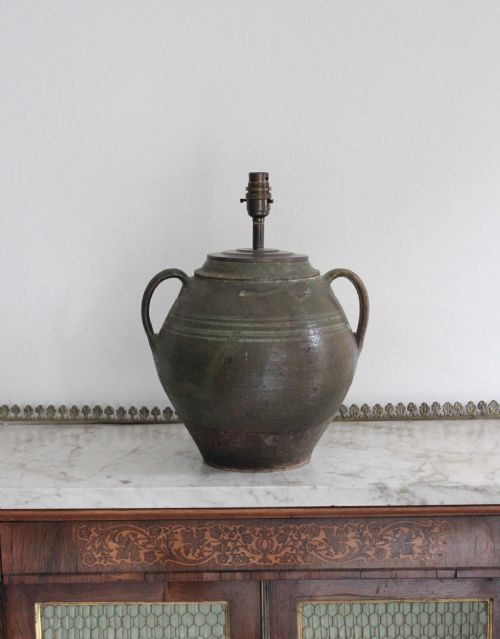
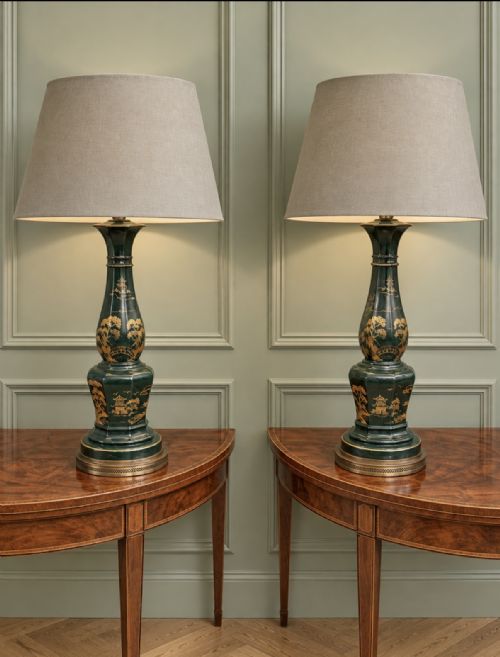
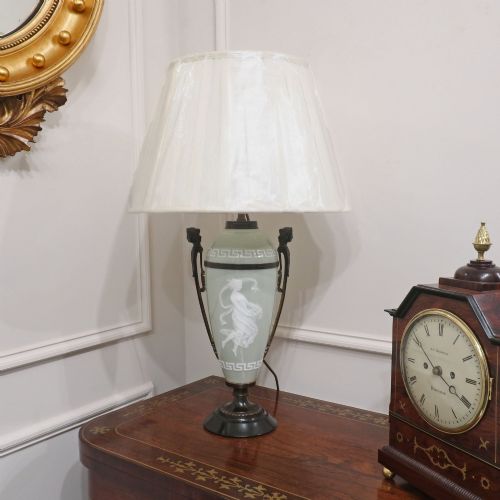
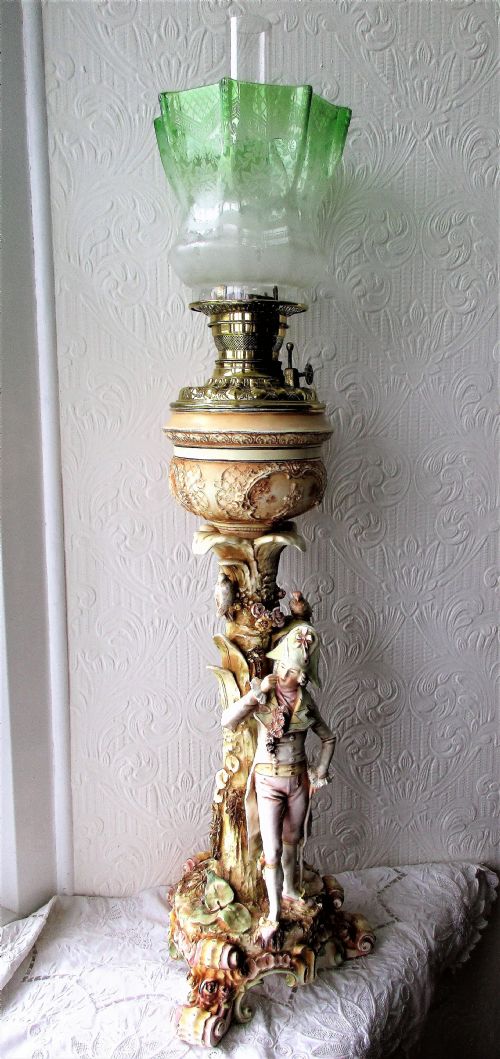
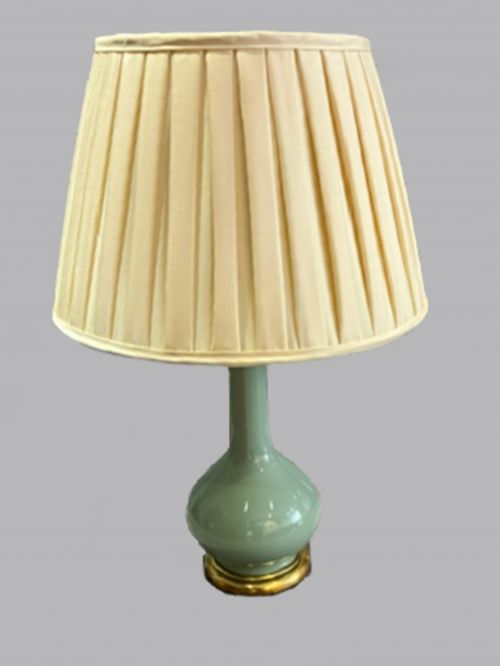
A green ceramic lamp is a decorative lighting piece formed from glazed pottery or porcelain, often incorporating converted vessels such as vases, ginger jars, and oil lamps. When searching for a green ceramic lamp, buyers encounter pieces spanning the nineteenth century, Victorian, Edwardian, and Art Deco periods, alongside French Neoclassical and Chinese Export styles.
Materials and construction methods
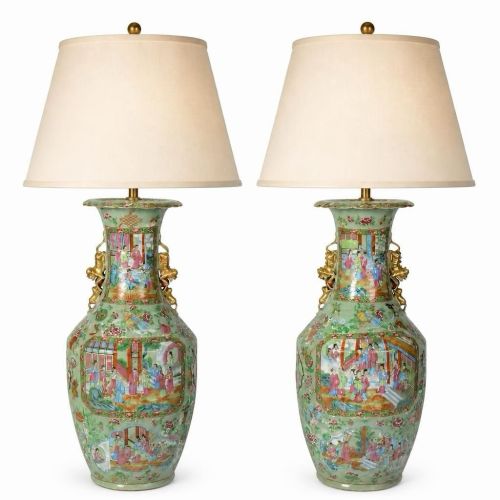
The construction of these pieces relies primarily on ceramic, porcelain, and pottery bodies finished in distinctive green glazes such as celadon, majolica, and famille verte. Artisans applied these mineral glazes to earthenware and porcelain bases before firing, achieving tonal depths ranging from pale seafoam to rich emerald.
Metal mounts in brass, gilt bronze, and ormolu were frequently added to secure the base and incorporate electrical fittings or oil burners. Fabric elements often complete the structure, while some surviving examples demonstrate historical conversions from decorative vases and oil lamps into functional table lighting.
Green Ceramic Lamp Retail Price Guide 2026
Typical asking prices for green ceramic lamp among the pieces listed under this phrase on Sellingantiques today, from the lower quarter to the upper quarter. They describe what is for sale here now, not the wider market.
Listings feature ceramics glazed in celadon, famille verte, and majolica across nineteenth-century and early twentieth-century periods.
Assessing quality and craftsmanship
Quality in these lighting pieces rests upon the fineness of the ceramic body and the precision of the glaze application. Finer examples display intricate hand-painting, crisp moulded details, and even glaze distribution across the pottery surface.
The integration of metal mounts also distinguishes the tier of a piece, with cast ormolu and heavy brass fittings indicating superior manufacture. The harmony between the original vessel and its later electrical adaptation determines the overall cohesion of the object.
The Green Ceramic Lamp Glossary
- Celadon
- A term for pottery with a pale green jade-like glaze originating in East Asia. This glaze relies on iron oxide in the reduction firing.
- Famille Verte
- A porcelain decoration style dominated by green enamel colours, developed during the Qing dynasty. Artisans painted motifs directly onto the glazed surface.
- Ormolu
- Gilded bronze mounts applied to furniture and decorative objects for ornamentation. This technique became prominent in French luxury goods.
- Majolica
- Earthenware decorated with opaque coloured glazes on a tin-enameled ground. The style gained popularity during the Victorian and Edwardian eras.
- Pâte-sur-pâte
- A ceramic decorating method where liquid clay is applied in layers to a panel to create a low relief cameo effect. This technique requires meticulous hand skill.
Green Ceramic Lamp: Frequently Asked Questions
What periods do these lamps come from?
The pieces originate from the nineteenth century, including specific Victorian, Edwardian, and Art Deco eras. French and Chinese stylistic influences dominate the selection.
Craftsmanship spans diverse historical workshops, reflecting both European revival styles and traditional Asian ceramic production converted for modern lighting.
How are vases converted into lamps?
Vases and ginger jars were adapted by mounting electrical wiring through the base or neck, often retaining their original ceramic integrity. Metal fittings and mounts were secured to support bulb holders and shades.
Many pieces began as nineteenth-century oil lamps or decorative display vessels before receiving modern electrical updates.
What styles are common in this selection?
Common aesthetics include Chinese Export, Qing dynasty, Chinoiserie, and French Neoclassical designs. These styles feature distinct hand-painted botanical or figurative motifs beneath green glazes.
Victorian and Art Nouveau influences also appear, particularly in pieces incorporating decorative tiles or majolica work.
Are these lamps sold as pairs?
The inventory includes both individual table lamps and matched pairs of vase-form lamps. Pairs typically derive from nineteenth-century Chinese porcelain production.
Matching sets offer symmetrical lighting options for side tables and larger interior spaces.