
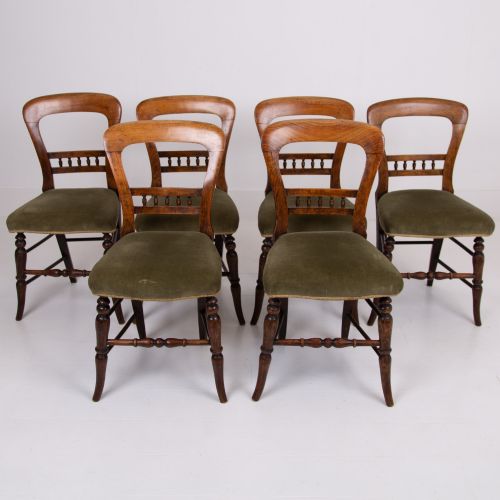
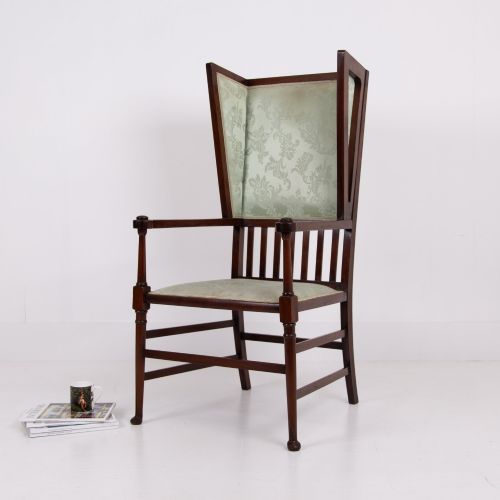
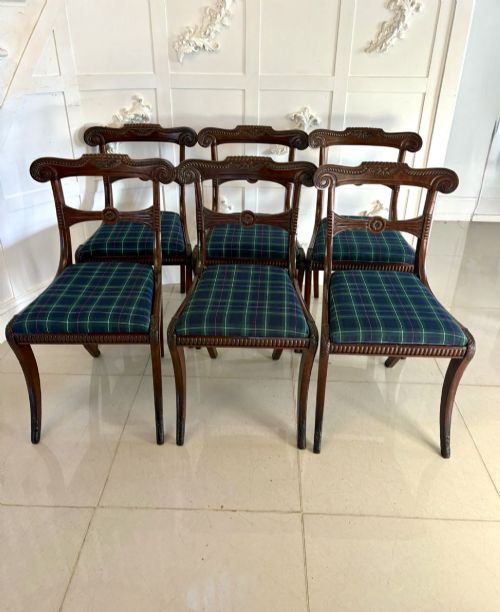
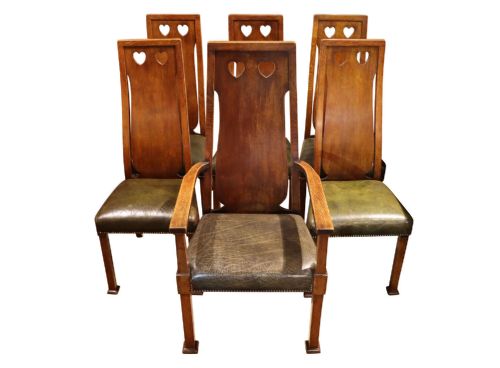
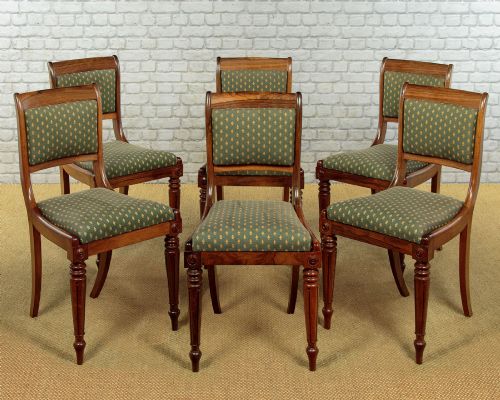
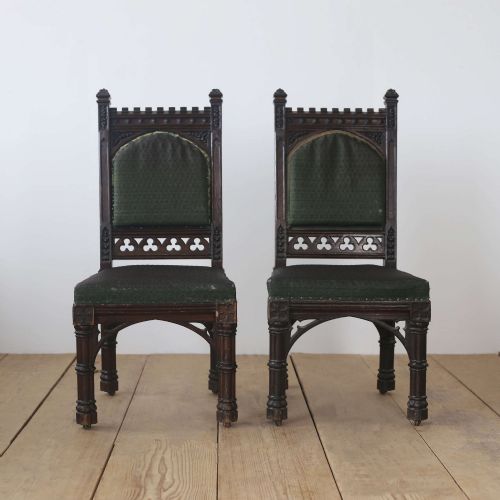
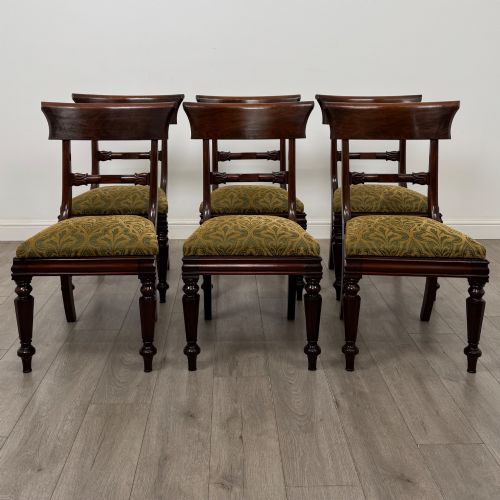
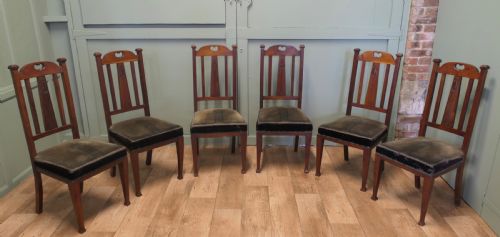
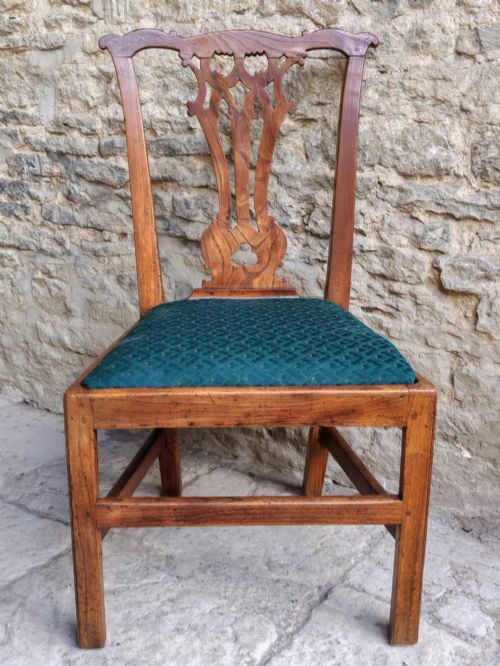
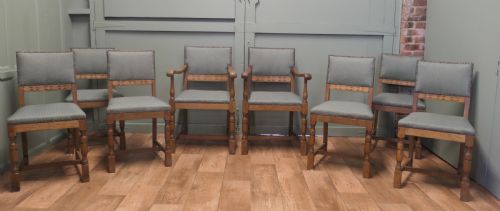
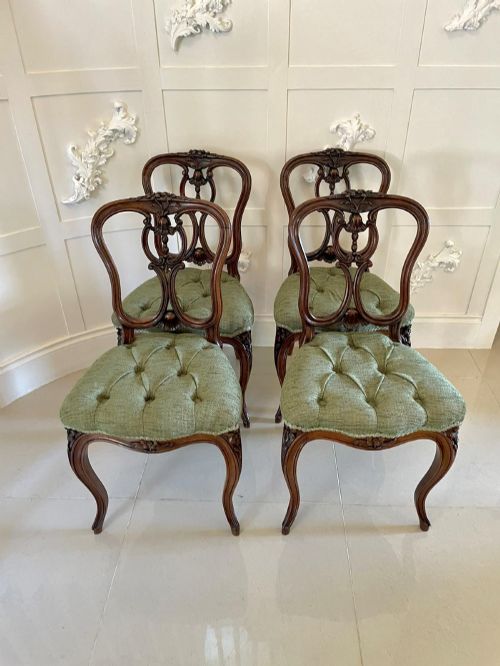
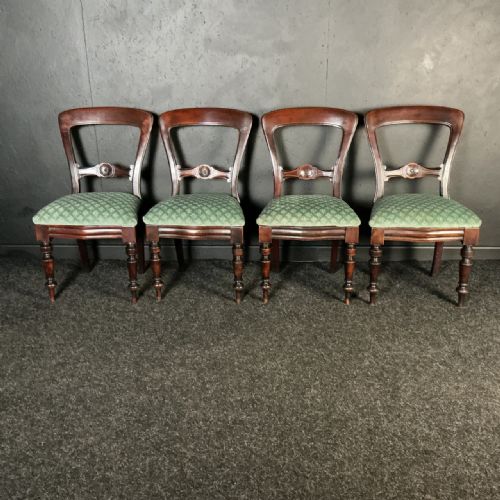
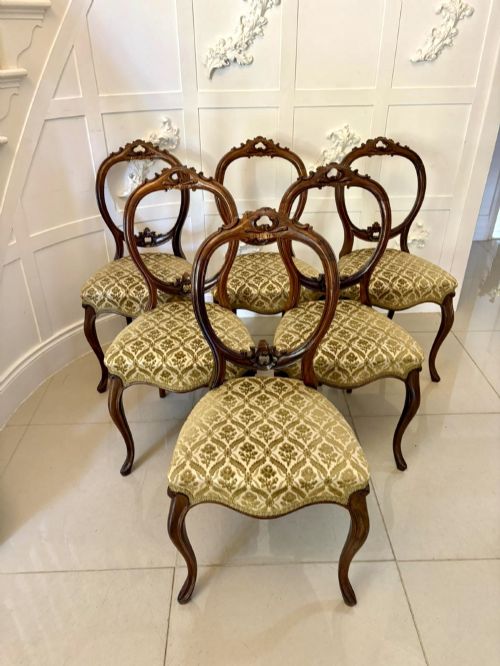
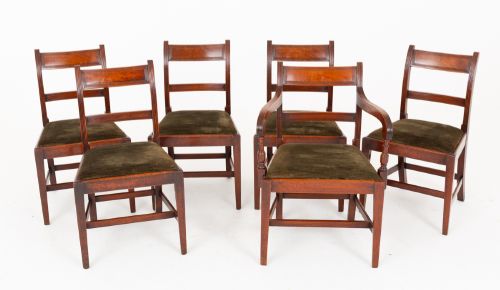
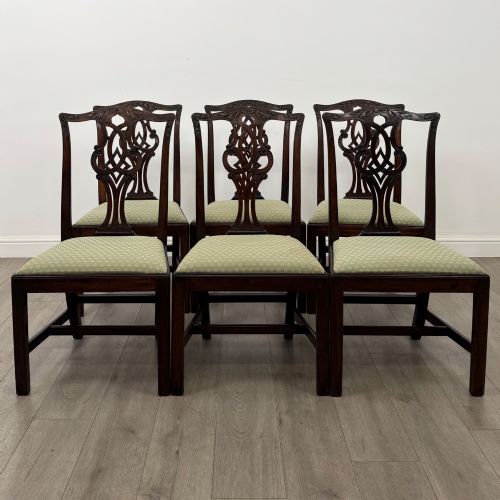
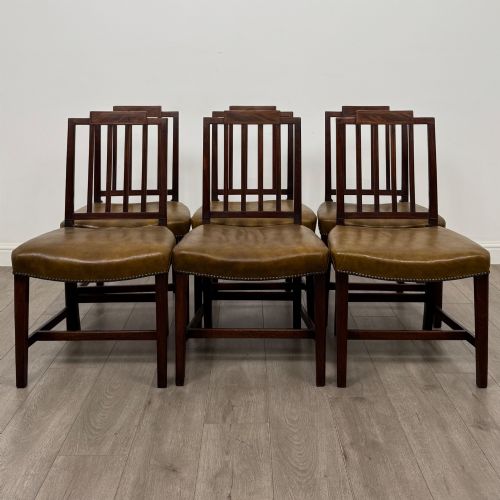
Green Side Chairs
Green antique side chairs combine robust timber frames with distinctive upholstered seats to bring period character to dining rooms and studies.
Green Side Chairs
Green antique side chairs encompass seating pieces designed without arms, primarily originating from the Georgian, Victorian, and Regency periods.
Buyers encounter solid wood frames shaped in styles ranging from Georgian mahogany to Arts and Crafts oak and Victorian walnut.
These items serve practical seating functions while displaying historical forms such as shield backs, bobbin turnings, and carved walnut details.
Materials and Construction
Frames rely upon traditional hardwoods such as mahogany, oak, walnut, and elm, shaped through established joinery techniques.
Upholstery incorporates textiles like leather, fabric, and velvet to finish seats and backrests.
Listings feature oak, mahogany, walnut, and elm timbers combined with leather, fabric, and velvet upholstery across Georgian and Victorian periods.
Quality and Craftsmanship
Superior examples display crisp carving on timber frames, tight joinery, and well-preserved original upholstery materials.
Lower tiers exhibit softer timber details, replacement components, and coarser surface finishes.
The Green Side Chairs Glossary
- Side chair
- A chair without arms, typically used around a dining table or placed against a wall. These forms constitute the primary focus of this category.
- Mahogany
- A durable tropical hardwood favoured by cabinetmakers during the Georgian and Victorian eras for its rich grain and strength. It provides stable framing for carved details.
- Walnut
- A dense timber utilised extensively for decorative Victorian and Georgian seating. It accommodates intricate carving better than softer woods.
- Regency
- An English design period spanning the early nineteenth century. Pieces from this era often feature classical lines and dark timbers.
Green Side Chairs: Frequently Asked Questions
What periods do these chairs date from?
The pieces span the eighteenth, nineteenth, and early twentieth centuries, covering Georgian, Victorian, and Edwardian eras.
Craftsmanship and timber choices reflect the distinct stylistic preferences of each historical period.
How do I identify a side chair?
Side chairs lack the armrests found on armchairs or carvers. They are built compactly for placement around dining tables or desks.
Their narrow profile allows several chairs to fit neatly beneath a table surface.
What woods were commonly used?
Cabinetmakers utilised sturdy timbers such as mahogany, oak, walnut, and elm. These woods provided the necessary structural support for daily use.
Selection depended on the prevailing style and the workshop's regional location.
Are these chairs suitable for daily dining?
Solid wood construction and robust joinery allow these pieces to withstand regular seating use. Many retain comfortable upholstered pads.
Maintenance involves periodic waxing of the timber and care for the fabric or leather surfaces.