




Green and Gold Porcelain
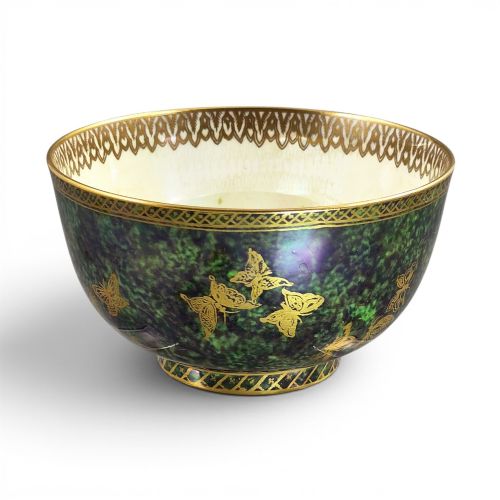
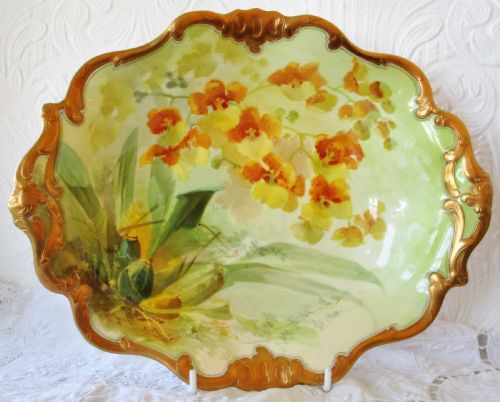
Green and gold porcelain brings together striking emerald and jade tones with rich gilding across plates, vases, and decorative objects.
Green and Gold Porcelain
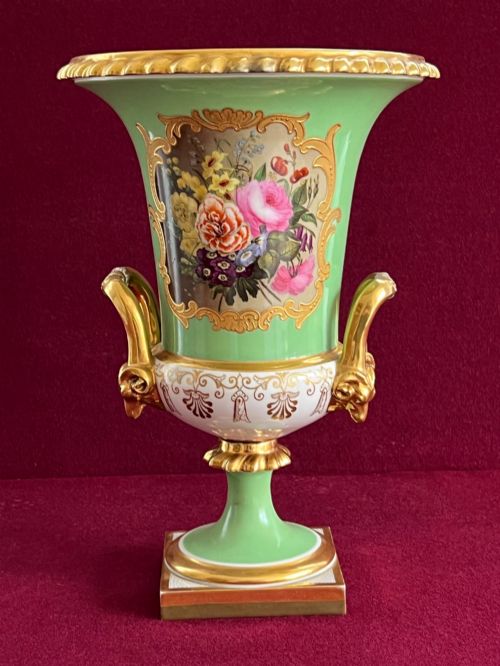
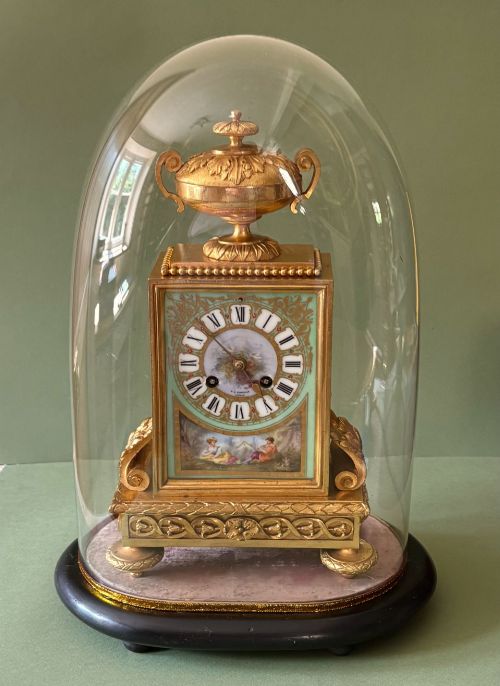
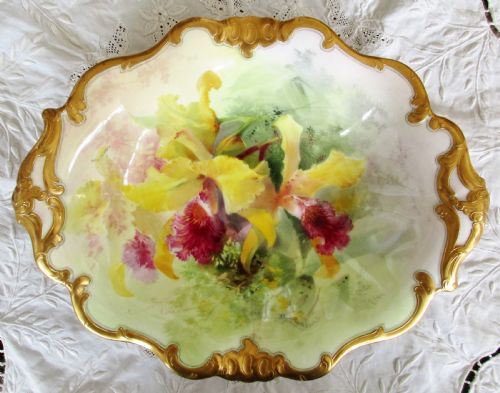
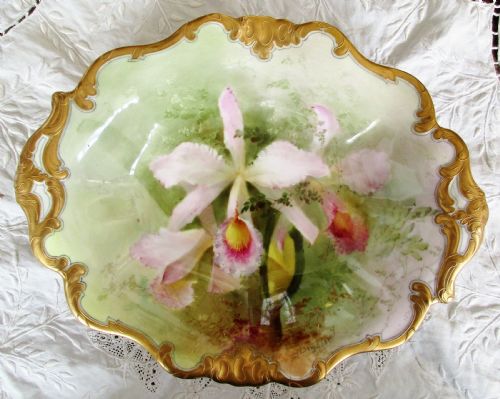
Green and gold porcelain encompasses decorative dishes, cabinet plates, vases, urns, and mantel clocks spanning periods from the eighteenth century through the early twentieth century. When browsing green and gold porcelain, buyers encounter works ranging from Georgian Chelsea items to Edwardian bone china and Art Nouveau figures.
Materials and Manufacturing Techniques
These items utilise porcelain and bone china bodies finished with enamel glaze, gold leaf, gilding, and ormolu mounts. Artisans applied vibrant green ground colours alongside detailed hand-painted botanical subjects, floral motifs, and figures.
Firing techniques allowed for complex polychrome enamels to adhere beneath or above the glaze before final gilding was applied. Brass and ormolu mounts frequently support vases and clocks, adding structural weight and metallic contrast.
Green and Gold Porcelain Retail Price Guide 2026
Typical asking prices for green and gold porcelain among the pieces listed under this phrase on Sellingantiques today, from the lower quarter to the upper quarter. They describe what is for sale here now, not the wider market.
Listings feature porcelain forms from the Georgian, Regency, Victorian, and Edwardian periods, utilising gold leaf, enamel, and bone china.
Assessing Craftsmanship and Execution
Quality rests in the precision of the hand-painting, particularly in botanical studies and figurative scenes executed by named artists. Crisp definition in the gilding and the even saturation of the green enamel distinguish superior pieces.
The sophistication of the porcelain body and the complexity of moulded details, such as lattice work or rococo scrolls, indicate the level of workshop skill. The inclusion of signed plaques or documented factory patterns elevates the standing of an individual object.
Royal Doulton·Royal Worcester·Royal Crown Derby·Royal Dux·Spode·Wedgwood·Bloor Derby·Flight Barr and Barr·Mason Ironstone·Minton·Ernst Wahliss
The Green and Gold Porcelain Glossary
- Campana shape
- A vase form resembling an inverted bell with an everted rim and a pedestal foot. This classical silhouette appeared frequently during the Regency period.
- Cabinet plate
- A decorative ceramic plate intended for display in a cabinet rather than for table use. These pieces often feature elaborate hand-painted scenes and gilt borders.
- Gilding
- The application of gold leaf or gold dust to the surface of porcelain. It highlights rims, handles, and decorative borders.
- Bone china
- A type of soft-paste porcelain containing bone ash, resulting in a strong, translucent body. It became a standard material for English dinnerware and cabinet pieces.
- Ormolu
- Gilt bronze mounted onto decorative objects, clocks, and vases. It provides ornate structural support and contrasting metallic texture.
Green and Gold Porcelain: Frequently Asked Questions
How are green and gold porcelain pieces displayed?
Cabinet plates and decorative dishes sit upright in plate stands or hang within display cabinets to protect their painted surfaces. Vases, urns, and mantel clocks serve as focal points on sideboards, mantels, and occasional tables.
Larger items like lamp bases integrate functional wiring while retaining their decorative ceramic bodies. Placing them away from direct sunlight preserves the vibrancy of the green enamel and gold leaf.
What periods do these porcelain items represent?
The selections span from Georgian and Regency eras through the Victorian period, Edwardian times, and into the early twentieth century. Earlier items often reflect neoclassical or Chinoiserie tastes, while later examples embrace Art Nouveau and Art Deco designs.
Stylistic shifts appear in the moulding of the porcelain and the treatment of the green ground colour. Marks on the underside help anchor individual pieces to specific decades.
Can cabinet plates be used for dining?
Cabinet plates are intended for decorative display rather than daily dining or food service. Their delicate enamel work and extensive gilding are vulnerable to cutlery marks and frequent washing.
Dessert plates and porringers from earlier centuries were originally made for dining, but surviving examples are typically treated as display items today. Gentle dusting with a soft brush maintains their condition.
How do I identify the maker of a piece?
Makers mark the underside of porcelain with painted, impressed, or printed stamps, ciphers, and pattern numbers. These marks correspond to factory archives from manufacturers such as Royal Worcester, Spode, and Minton.
Artist signatures sometimes appear alongside factory marks on hand-painted cabinet dishes and plaques. Reference books and factory registers assist in matching symbols to production dates.