

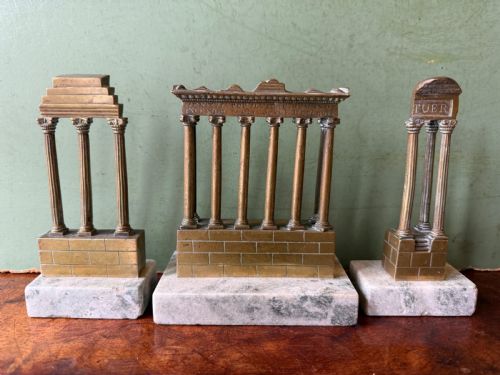


Grand Tour Souvenir Model
A grand tour souvenir model captures the ambition of classical travel, offering a tangible piece of antiquity for the cabinet.
Grand Tour Souvenir Model
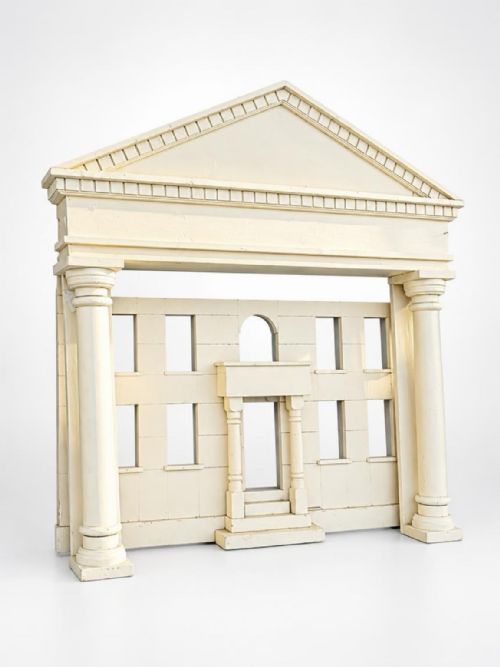
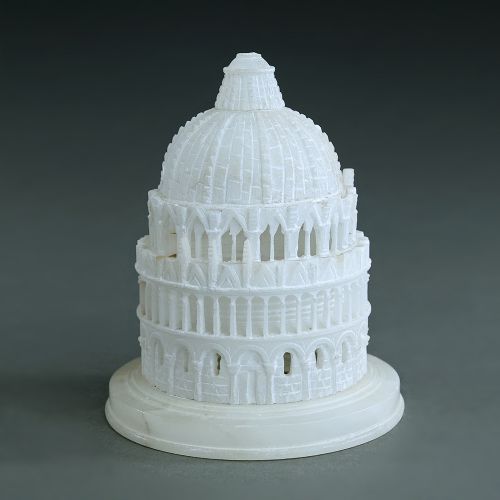
A grand tour souvenir model represents the architectural and sculptural highlights of European travel during the nineteenth century. These pieces record temples, columns, and ancient monuments seen by travellers abroad.
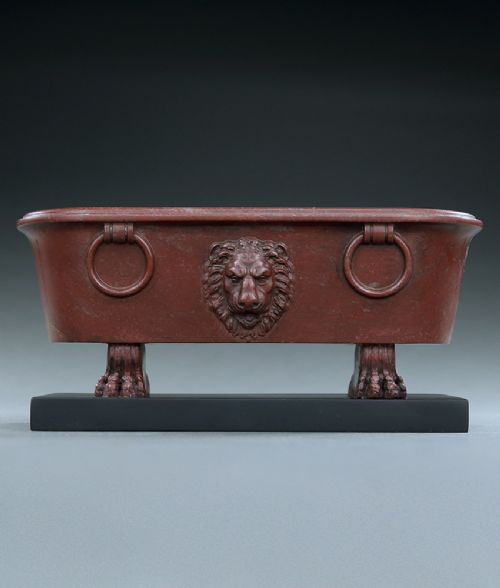
The selections on this page span architectural models, decorative objects, and miniature sculptures. Visitors are most likely to encounter marble and bronze representations of famous Roman and Greek ruins.
Originating largely from Italian and French workshops, these items served as permanent records of an educational journey. They bring classical architecture into domestic spaces through careful reductions in scale.
Materials and Techniques
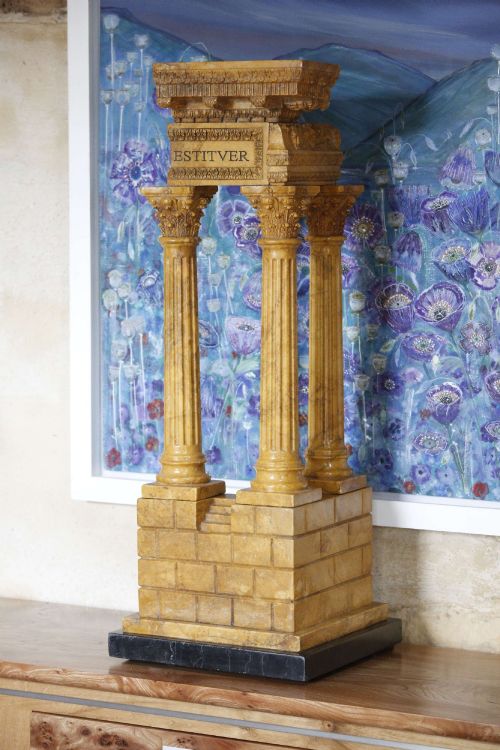
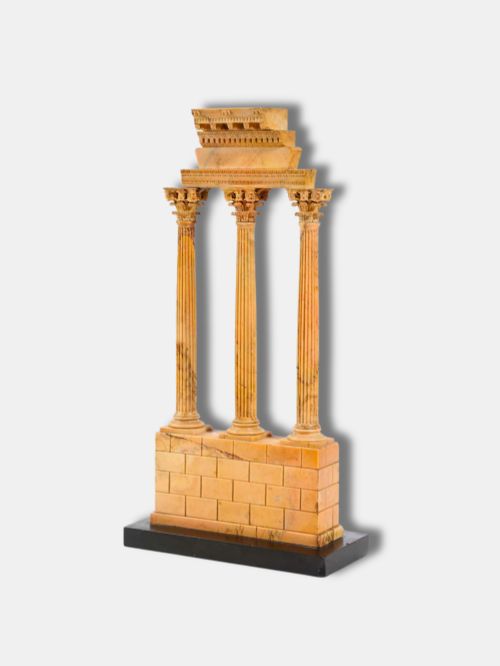
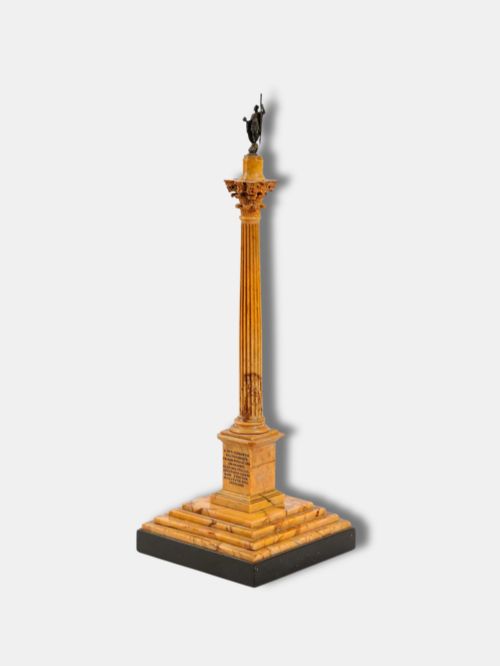
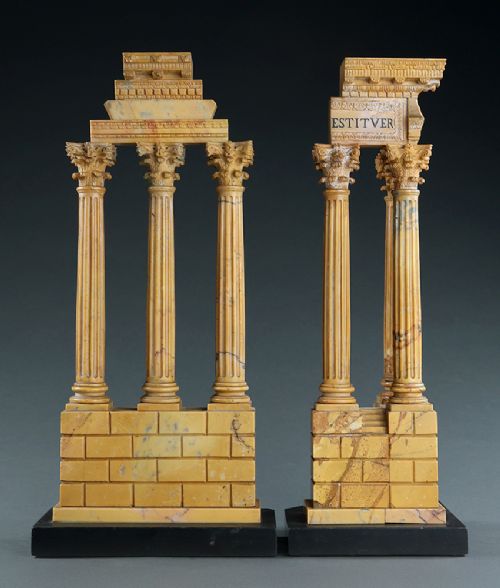
Carvers shaped blocks of marble, alabaster, and stone into precise architectural columns and temple ruins. Specimen marbles such as giallo antico and sienna provided authentic colour variations for these classical forms.
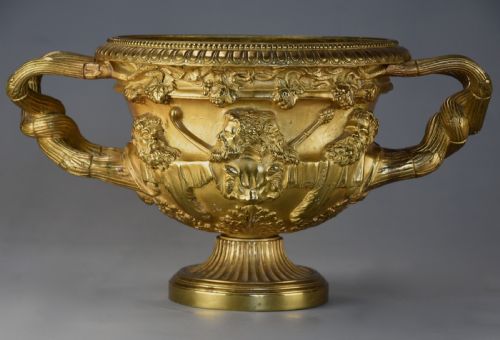
Foundries cast bronze and gilt bronze to create miniature figures and decorative urns. Patination and fine chasing highlighted the details of reductions after well-known antiquities.
Grand Tour Souvenir Model Retail Price Guide 2026
Typical asking prices for grand tour souvenir model among the pieces listed under this phrase on Sellingantiques today, from the lower quarter to the upper quarter. They describe what is for sale here now, not the wider market.
Travellers once packed entire marble temples into luggage, risking heavy carriage fees just to impress guests back home.
Determining Quality
The precision of the architectural proportions separates standard souvenirs from exceptional examples. Sharp lines in carved marble and well-defined details in cast bronze demonstrate superior craftsmanship.
The Grand Tour Souvenir Model Glossary
- Giallo Antico Marble
- A yellow antique marble quarried in ancient times and utilised for decorative architectural models. Its rich golden tone appealed strongly to nineteenth-century collectors.
- Specimen Marble
- Multi-coloured decorative stones assembled to display geological variety in classical objects. Makers used these to mimic the polychrome marble floors and columns of antiquity.
- Reduction
- A scaled-down copy of a large monument or sculpture made to fit domestic interiors. These reductions allowed travellers to transport bulky antiquities in miniature form.
- Serpentine Marble
- A green, mottled stone frequently carved into models of classical animals and architectural bases. Its distinct serpent-like patterning added texture to souvenir sculptures.
- Patinated Bronze
- Metal treated with chemical solutions to produce a dark, aged surface finish. This technique enhanced the antique appearance of miniature columns and figural casts.
Grand Tour Souvenir Model: Frequently Asked Questions
What is a grand tour souvenir model?
A grand tour souvenir model is a small-scale replica of a classical monument, building, or sculpture.
Travellers purchased these items in cities like Rome during the nineteenth century as educational keepsakes.
Which materials were used for these models?
Makers utilised various stones, including marble, alabaster, and serpentine, alongside cast bronze.
Specimen marbles provided natural colour variation for architectural ruins and obelisks.
How should I display a marble model?
Place these heavy stone models on stable surfaces away from direct sunlight and moisture.
Ensure the supporting furniture can hold the weight of dense materials like bronze and marble.
How do I identify a nineteenth-century model?
Examine the material type, surface patination, and the style of the architectural reduction.
Nineteenth-century examples often employ specific specimen marbles and traditional casting methods consistent with the period.