





Grand Tour Model
A grand tour model brings the architecture and sculpture of classical antiquity directly into the interior.
Grand Tour Model
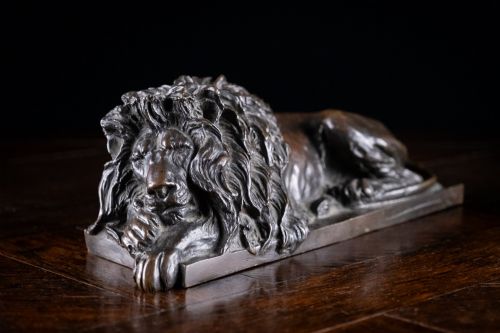
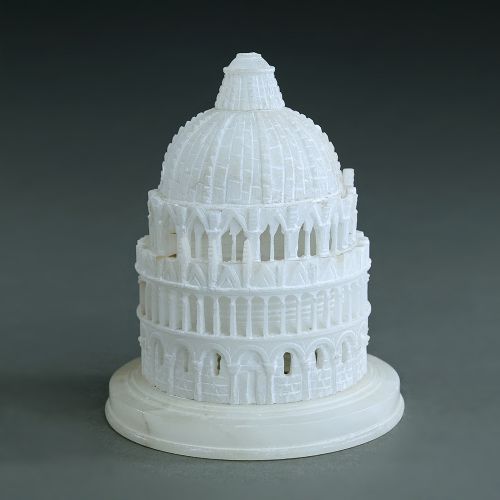
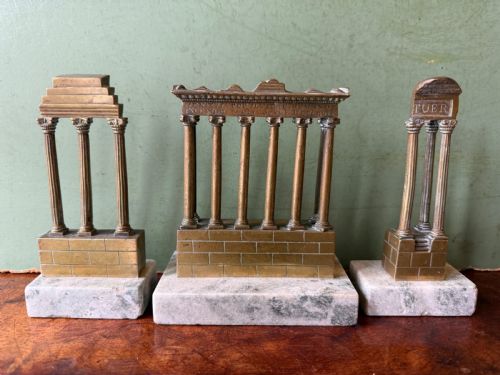
A grand tour model represents classical architecture, ancient ruins, and celebrated sculpture in miniature form. These pieces served as physical mementos for travellers journeying through Italy and the wider Mediterranean during the eighteenth and nineteenth centuries.
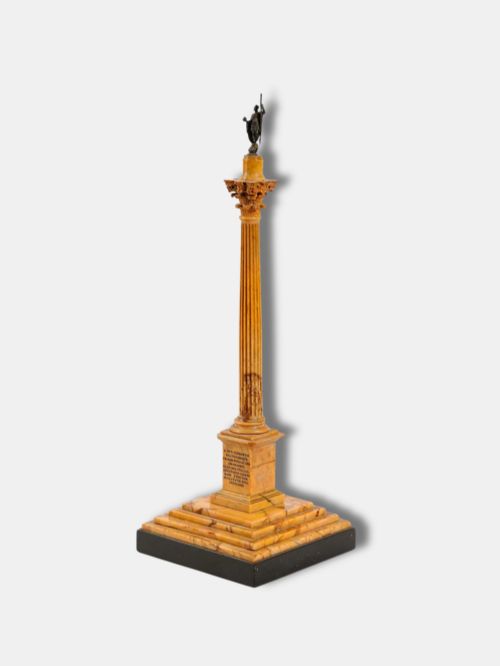
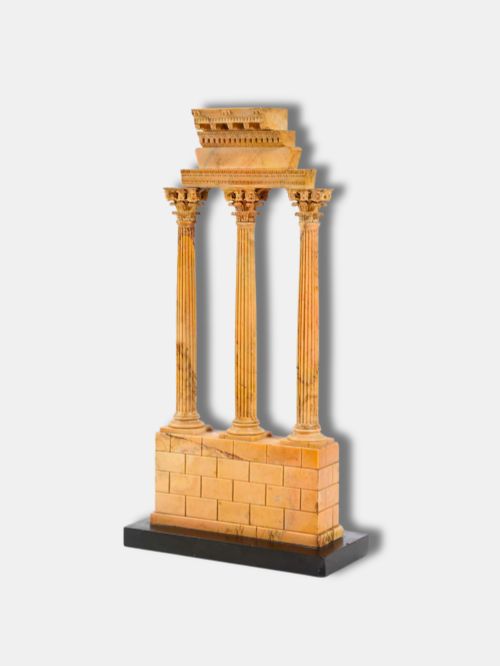
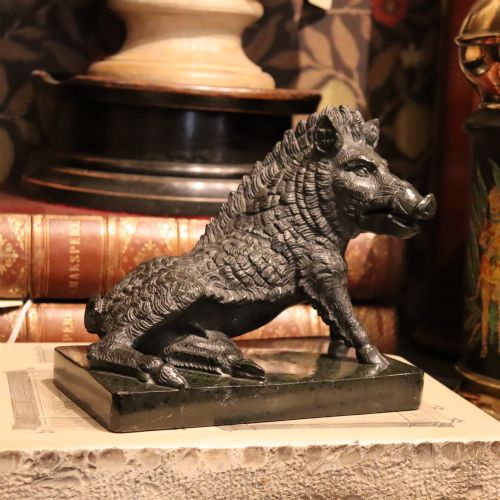
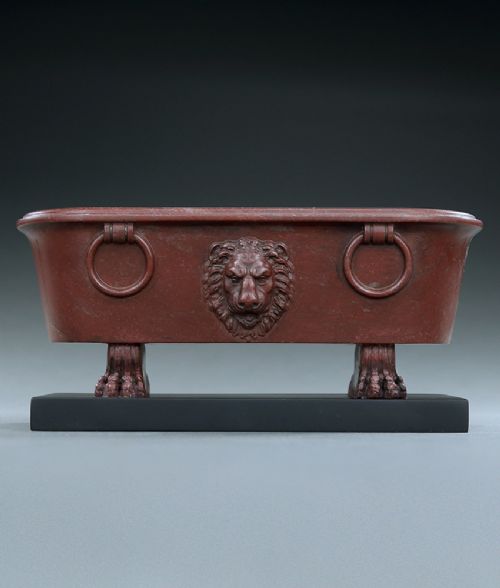
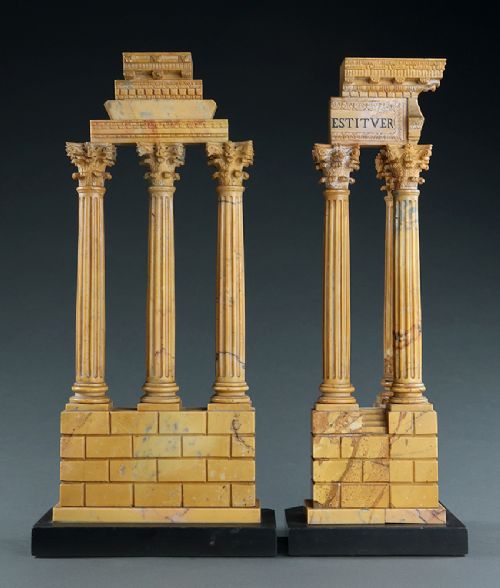
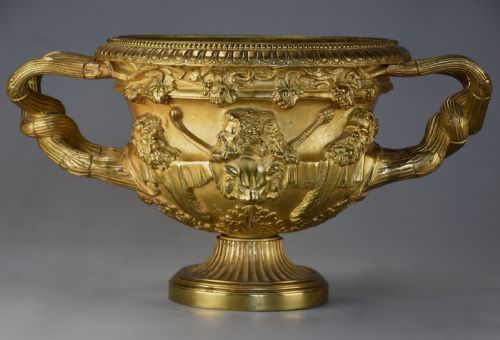
The selections available here range from architectural models of Roman temples and triumphal columns to reductions of famous sculptures and mythological figures.
Forms span from freestanding architectural obelisks and forum ruins to detailed bronze urns, animal figures, and human anatomy studies rooted in neoclassical and Egyptian revival styles.
Materials and construction
Metals form a significant portion of the creations, utilising cast bronze, patinated metal, ormolu, and silvered brass. These pieces often employ chemical patination to simulate age or a polished finish to highlight cast details.
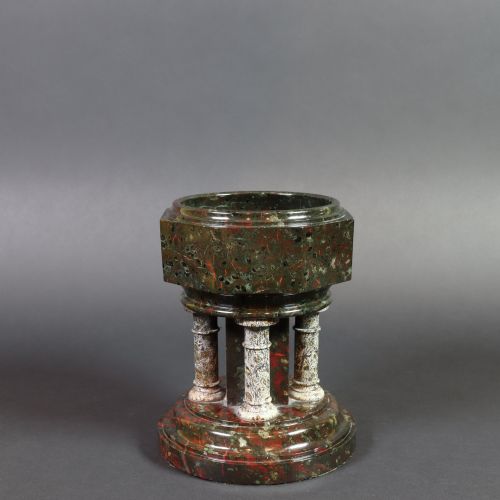
Stone and mineral components feature heavily, incorporating varieties such as serpentine marble, Siena marble, alabaster, slate, and Ashford marble. Artisans shaped and polished these heavy substrates to emulate ancient masonry and classical ruins.
Plaster serves as another core medium, utilised for detailed sculptural reductions and anatomical studies cast from moulds of famous works.
Grand Tour Model Retail Price Guide 2026
Typical asking prices for grand tour model among the pieces listed under this phrase on Sellingantiques today, from the lower quarter to the upper quarter. They describe what is for sale here now, not the wider market.
Listings feature pieces spanning the nineteenth and early twentieth centuries, constructed from diverse materials including serpentine marble, patinated bronze, and plaster.
Assessing quality
Material selection separates standard souvenir pieces from finer works. The use of specialist stones like Siena or serpentine marble, alongside tightly chased and cleanly cast patinated bronze, indicates a higher tier of craftsmanship.
Surface finish reveals the hand of the maker. Smooth, consistent patination on metal or finely polished stone without excessive tooling marks distinguishes accomplished nineteenth-century workshop production.
The Grand Tour Model Glossary
- Reduction
- A scale copy of a larger sculpture or building, typically cast in bronze or carved in stone. These permitted travellers to transport miniature monuments home.
- Ormolu
- Finely ground high-carat gold applied to a bronze base using a mercury amalgamation process. This technique created a bright, enduring golden surface on decorative elements.
- Patina
- The surface sheen or colour resulting from age, wear, or chemical treatment applied to metal. Makers used patination to mimic the appearance of ancient buried bronzes.
- Serpentine
- A dark green mineral resembling snake skin, often used for carving architectural models and decorative objects. It polishes to a smooth finish.
- Volute krater
- An ancient Greek vessel type featuring scroll-shaped handles. These forms occasionally influenced the design of nineteenth-century table lamps and decorative urns.
Grand Tour Model: Frequently Asked Questions
How were grand tour models used?
Travellers originally used these miniature monuments and sculptures as physical reminders of their journeys across Italy, Greece, and Egypt. Upon returning home, owners displayed them on desks, mantelpieces, and dedicated cabinets.
They functioned as conversation pieces that signalled the owner's education, cultural curiosity, and familiarity with classical antiquity.
How do I date a grand tour model?
Dating relies heavily on material composition, casting technique, and stylistic markers. Nineteenth-century pieces often reflect the specific romantic enthusiasm for archaeological discoveries of that era, utilising hand-chased bronze or native Italian specimen marbles.
Examining the underside, mounting screws, and the natural wear of the metal or stone patina helps establish the age of the piece.
How do I care for marble and bronze models?
Maintenance requires gentle handling and consistent environmental conditions. Dust bronze surfaces regularly with a soft, dry brush and avoid chemical polishes that can strip the historic patination.
Marble and stone models benefit from simple dusting with a dry microfiber cloth, keeping them clear of moisture and harsh cleaning agents.