





Grand Tour Lion Carving
A grand tour lion carving captures the spirit of classical travel, offering timeless sculptural presence for a discerning interior.
Grand Tour Lion Carving
When you search for a grand tour lion carving, you encounter sculptural works that commemorate classical travels across Europe. These pieces often draw on ancient motifs such as the Venetian Lion of St Mark or the Medici lions.
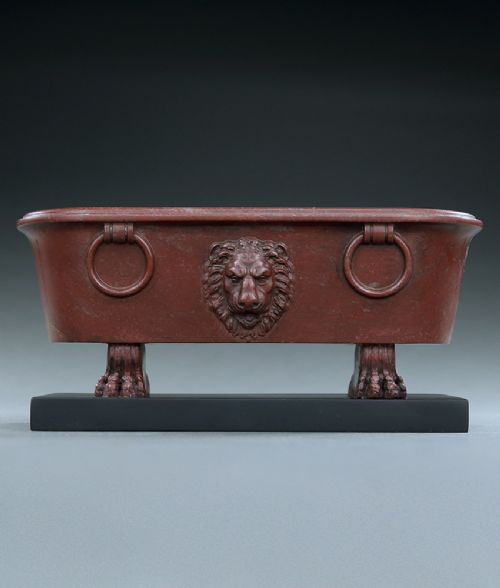
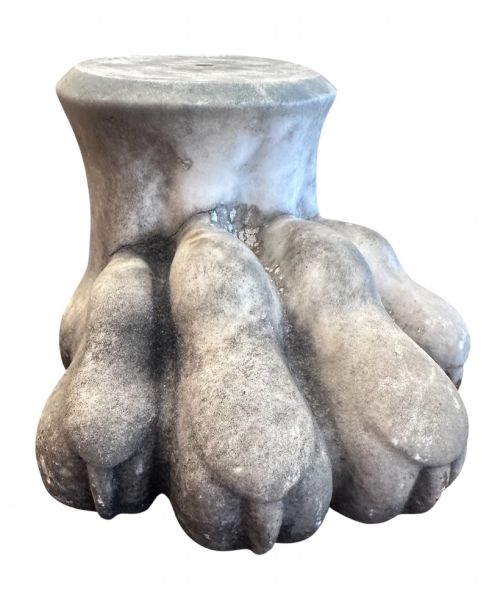
The selections on this page span several centuries, reaching from the seventeenth century through to the nineteenth century. You will find items rendered in various forms, including wall plaques, recumbent figures, architectural salvage, and table supports.
Originating largely from Italy, these objects reflect the neoclassical tastes that defined aristocratic travel. They serve as tangible links to the historical itinerary of the Grand Tour.
How they were made
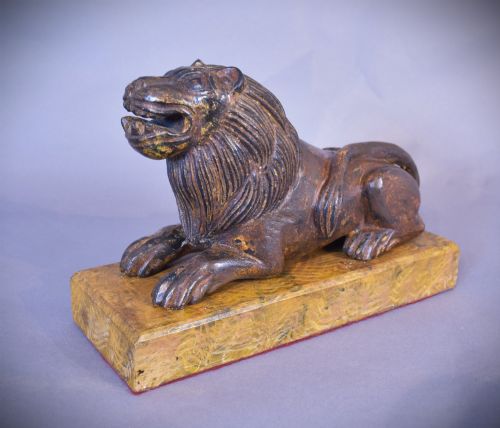
Carvers utilised substantial blocks of stone and marble, including Carrara, Sienna, and serpentine varieties, to shape these heavy sculptures. Artisans also worked with carved wood, applying gilt and paint to achieve specific decorative effects.
Techniques ranged from detailed sculptural carving of recumbent animals to the creation of inlaid specimen marble panels and architectural elements. These methods demanded considerable stone-working skill to capture anatomical detail and classical proportions.
Grand Tour Lion Carving Retail Price Guide 2026
Typical asking prices for grand tour lion carving among the pieces listed under this phrase on Sellingantiques today, from the lower quarter to the upper quarter. They describe what is for sale here now, not the wider market.
Common motifs include the Venetian Lion of St Mark and the Medici lions, rendered as sculptures, panels, and table supports.
What varies in quality
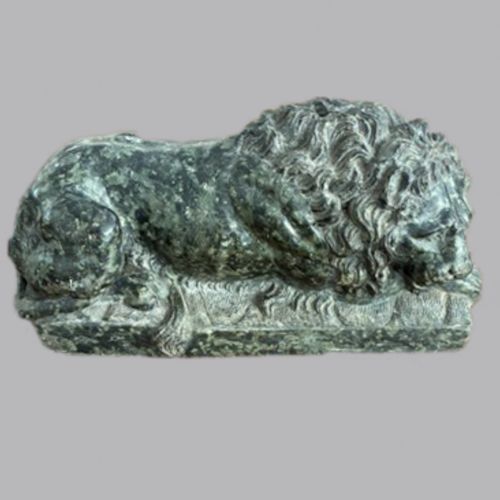
The choice of material heavily influences the piece, with richly figured green marble or serpentine elevating the visual impact compared to plain stone. Scale and proportion also dictate the overall success of the sculpture.
The Grand Tour Lion Carving Glossary
- Grand Tour
- A traditional trip of Europe undertaken by upper-class European young men of sufficient means. This travel formed the basis for collecting antiquities and classical sculptures.
- Neoclassical
- A Western cultural movement in the decorative and visual arts that drew inspiration from the classical art and culture of ancient Greece or Rome. It heavily influenced nineteenth-century sculpture.
- Serpentine Marble
- A dark green rock resembling snakeskin in appearance, often used for decorative carvings. It was a favoured material for Italian stonemasons.
- Recumbent
- Describes a figure lying down or resting. Many nineteenth-century lion carvings depict the animal in this relaxed yet watchful pose.
- Medici Lions
- A pair of marble sculptures of lions, one original and the other a sixteenth-century pendant, paired together in Florence. They became standard models for grand tour souvenirs.
Grand Tour Lion Carving: Frequently Asked Questions
What is a grand tour lion carving?
A grand tour lion carving is a decorative or sculptural object created as a souvenir or collector's piece during the eighteenth and nineteenth centuries. These pieces typically replicate famous classical or Italian monuments.
They reflect the neoclassical tastes of travellers exploring European cultural centres.
Which materials were used for these sculptures?
Artisans primarily carved these lions from various types of marble, including Carrara and green serpentine, as well as general stone. Some examples also utilise carved wood with surface paint or gilt.
The choice of material often reflects the regional traditions of Italian workshops during the period.
How were these carvings used originally?
Travellers brought these objects home to display in libraries, drawing rooms, or entrance halls as proof of their classical education and travels. They functioned as both decorative art and conversation pieces.
Some examples also served an architectural function as table bases or wall plaques.
How can I tell the age of a marble lion?
Age is typically assessed through the tool marks, the weathering of the stone, and the stylistic adherence to seventeenth or nineteenth-century neoclassical conventions. The specific type of marble and regional carving traits provide further clues.
Comparing pieces to dated archival examples helps establish a reliable timeline.
Where did these lion carvings originate?
The majority of these pieces originate from Italy, which was the primary destination for collectors seeking classical art and architectural fragments. Swiss workshops also produced notable wooden animal carvings.
Italian artisans catered directly to the demand generated by wealthy travellers.