



Grand Tour Lamp
A grand tour lamp brings classical antiquity and Italian travel into the home as cast bronze, marble, and patinated metal.
Grand Tour Lamp
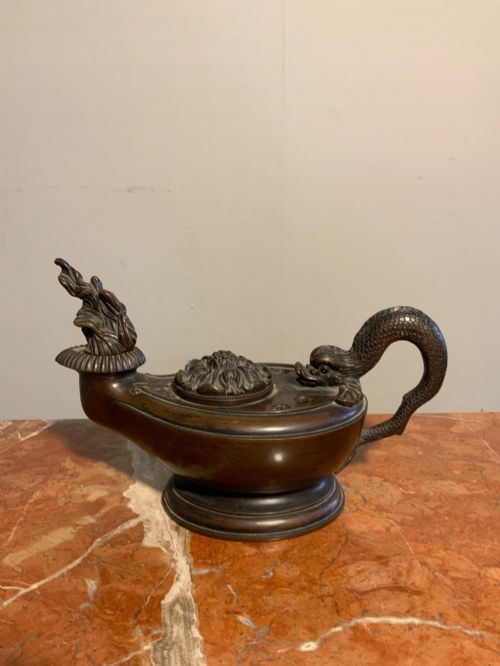
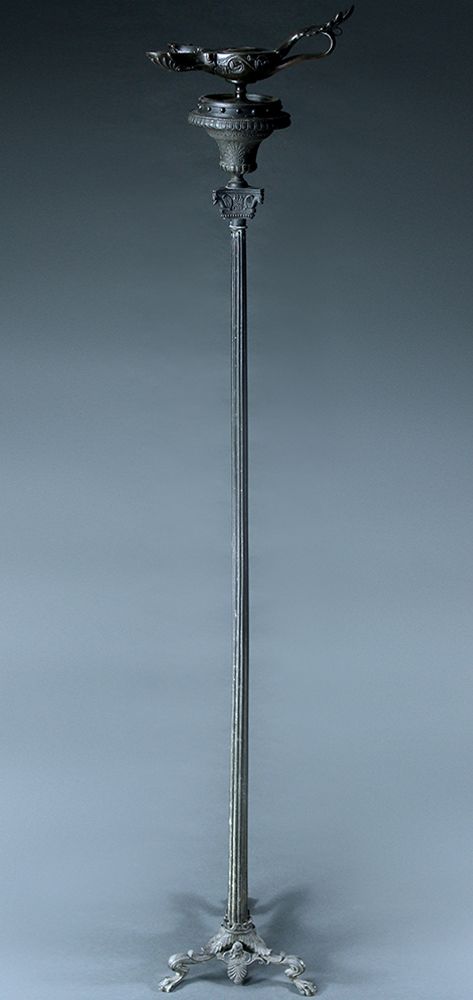
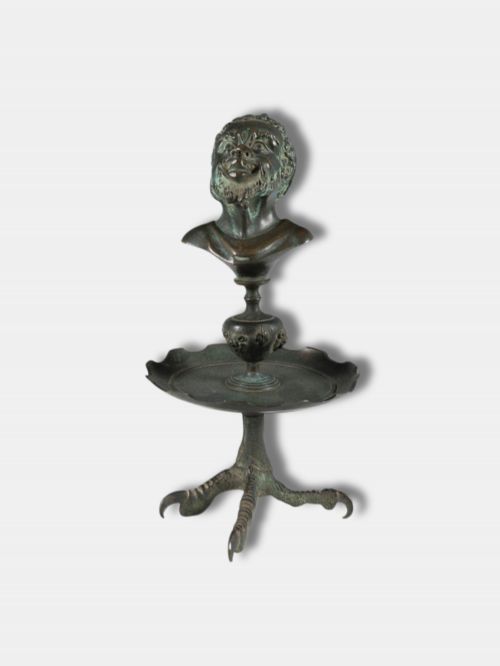
When you search for a grand tour lamp, you encounter lighting fixtures shaped from the material culture of the ancient Mediterranean. These pieces adapt archaeological finds, including oil lamps, figures, columns, and vases, into functional illumination.
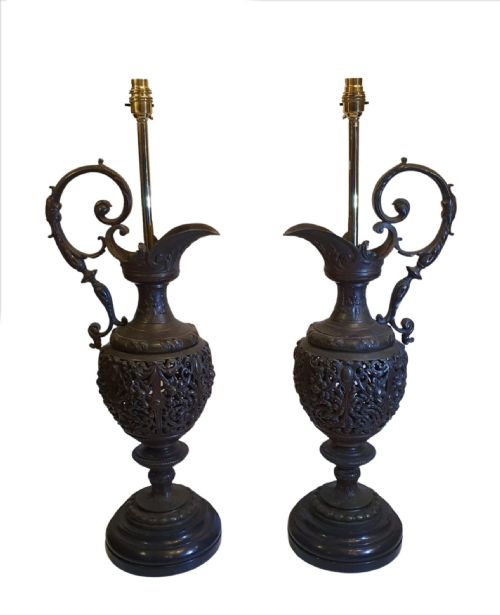
You are most likely to meet nineteenth-century bronze and brass examples on this page, often cast in Italian workshops and subsequently wired for electricity.
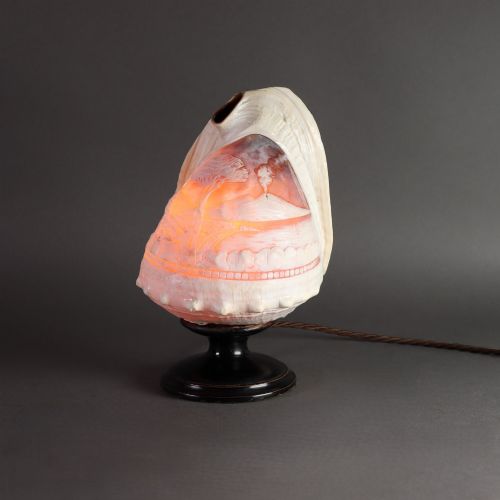
The forms draw directly from classical antiquity and neoclassical taste, frequently resting on marble plinths or incorporating carved shell cameos depicting Vesuvius and the Bay of Naples.
How they were made
Maker workshops employed lost-wax casting and sand-casting methods to shape bronze, brass, and patinated metals into figures, vases, and classical columns.
Natural stones such as marble, alabaster, and serpentine were turned and polished to form heavy bases, columns, and specimen tabletops.
Many items originated as classical oil lamps, ewers, or bronze sculptures before being converted later into table and floor lamps.
Grand Tour Lamp Retail Price Guide 2026
Typical asking prices for grand tour lamp among the pieces listed under this phrase on Sellingantiques today, from the lower quarter to the upper quarter. They describe what is for sale here now, not the wider market.
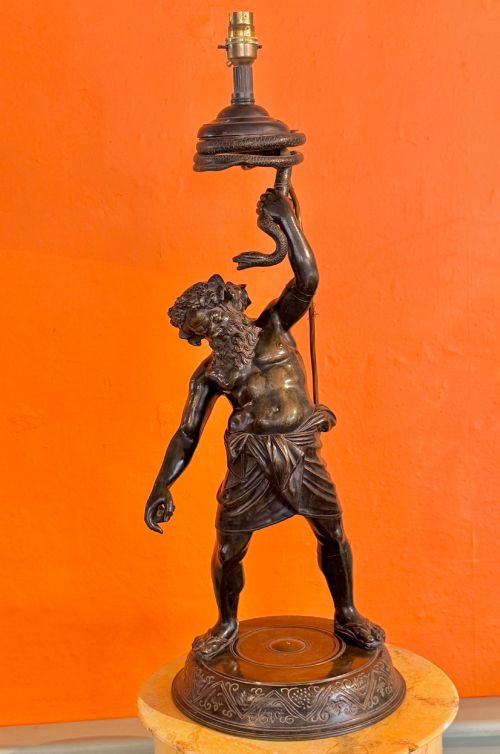
Several lamps star Silenus, the tipsy companion of Dionysus, moonlighting as a steadfast base for your evening reading light.
What varies in quality
The crispness of the metal chasing separates standard commercial foundry work from pieces bearing the signatures of known Italian founders such as Amodio, Nelli, or Chiurazzi.
The selection of materials dictates the weight and presence of the piece, with dense Italian marbles and multi-tone patinated bronzes marking the upper tier of production.
The sensitivity of the conversion from antiquity or oil-burning implement to electric lamp determines whether the original integrity of the cast form remains undisturbed.
G. Amodio Naples·Nelli Rome·Chiurazzi
The Grand Tour Lamp Glossary
- Patinated bronze
- Bronze treated with chemical solutions to produce a controlled surface colour, ranging from deep brown to verdigris. This finish protects the metal and mimics the appearance of buried antiquities.
- Lucerna
- An Italian oil lamp design featuring multiple spouts and a central hanging pick, often cast in brass or bronze. These traditional lighting forms were frequently adapted into nineteenth-century lamps.
- Volute krater
- An ancient Greek vessel form featuring scrolled handles, used for mixing wine and water. Nineteenth-century founders modelled grand tour lamps on these classical pottery shapes.
- Specimen marble
- Marble composed of multiple distinct mineral fragments and coloured stones arranged in geometric or mosaic patterns. This material commonly forms the heavy bases and tabletops associated with Italian furniture and lighting.
- Silenus
- A companion and tutor to the wine god Dionysus, frequently depicted in classical art as an older, jovial figure. Cast figures of Silenus often serve as the main body for figural oil lamps.
Grand Tour Lamp: Frequently Asked Questions
What is a grand tour lamp?
A grand tour lamp is a nineteenth-century lighting piece inspired by the antiquities of Italy and Greece. These objects adapt classical forms like columns, urns, and mythological figures into functional lamps.
They reflect the taste of travellers who collected souvenirs during their educational tours through Europe. Most examples combine cast bronze or brass with heavy marble bases.
Were these always electric lamps?
Almost none of these pieces started life with electrical wiring. They began as nineteenth-century bronze sculptures, oil lamps, candlesticks, or architectural fragments.
Craftsmen later converted them for modern household use by running cords through the centre and adding lamp fittings. Some retain their original burners or oil reservoirs as part of the converted structure.
How do I identify Italian pieces?
Italian pieces often feature local materials such as Italian marbles, alabaster, or distinctive patinated bronzes cast in workshops located in Naples and Rome. Foundry stamps or signatures on the bronze surface occasionally record the specific maker.
Subject matter also points to Italian origin, including depictions of local sights like Vesuvius, or mythological figures associated with Pompeii and Herculaneum.
Where do I place one at home?
These lamps suit studies, libraries, and hallways where their classical bronze and marble textures can contrast with dark wood furniture. Their substantial weight requires sturdy side tables or occasional tables.
Pairing them with simple, neutral shades allows the patinated metalwork and figural casts to remain the visual focus of the room.