




Graduated Drawer Cabinet
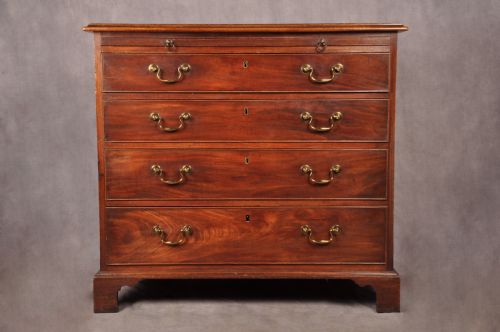
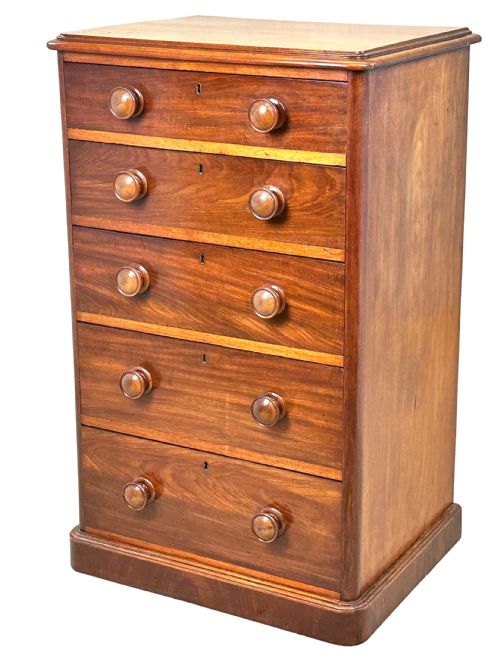
These graduated drawer cabinet examples combine practical storage with period craftsmanship, offering deep lower drawers and shallower upper sections for versatile sorting.
Graduated Drawer Cabinet
A graduated drawer cabinet brings together period timber construction and functional storage, appearing here in forms such as tall narrow chests and shop cabinets. These pieces centre on tiers of drawers that decrease in depth from bottom to top, a design choice that balances visual weight with utility.
The selections available span multiple periods including the 18th century, Georgian, Regency, and Victorian eras. Buyers encounter traditional mahogany and walnut timber builds alongside specialised specimen or shop configurations.
Materials and construction
Craftsmen utilised dense hardwoods such as mahogany and walnut, frequently selecting yew wood for distinct grain patterns. Timber selection dictated both the structural stability and the visual depth of the cabinet front.
Metal hardware such as brass handles and iron details complemented the timber frames, whilst wire elements occasionally appeared in associated display sections. Joinery relied on traditional methods suited to heavy daily use.
Graduated Drawer Cabinet Retail Price Guide 2026
Typical asking prices for graduated drawer cabinet among the pieces listed under this phrase on Sellingantiques today, from the lower quarter to the upper quarter. They describe what is for sale here now, not the wider market.
Materials recorded across the inventory include mahogany, walnut, yew wood, brass, iron, and wire.
Indicators of quality
Superior examples demonstrate careful timber selection, where grain patterns align across successive drawer fronts rather than appearing mismatched. The precision of the graduation in drawer depths determines the overall balance of the piece.
Original hardware and consistent patination elevate an item above later replacements or heavy restoration. The smoothness of the drawer action within the housing reflects the original maker's joinery standards.
The Graduated Drawer Cabinet Glossary
- Graduated drawers
- A sequence of drawers decreasing in depth from bottom to top within the cabinet frame. This arrangement provides a pleasing visual taper and organises items by size.
- Mahogany
- A durable, reddish-brown tropical hardwood favoured by cabinetmakers for its stability and fine finish. It endures heavy use whilst retaining a deep lustre.
- Wellington chest
- A tall, narrow chest of drawers secured by a locking side flap that fastens over the drawer edges. Originally designed for secure document storage.
- Specimen cabinet
- A specialised piece containing numerous shallow drawers intended for botanical or geological collections. These internal tiers often exhibit fine miniature joinery.
Graduated Drawer Cabinet: Frequently Asked Questions
What is a graduated drawer cabinet used for?
These cabinets served multiple domestic and commercial purposes, from storing clothing in bedrooms to holding documents or small collections in studies and shops. The varying drawer depths allowed users to organise items efficiently by size.
Today, they function well as standalone storage units in hallways, living rooms, or bedrooms, providing practical organisation without taking up excessive floor space.
How do I date a wooden cabinet?
Dating relies on observing construction techniques, timber choices, and hardware styles characteristic of periods like the Georgian or Victorian eras. Secondary woods used inside the drawers often provide reliable clues to the origin.
Examining the dovetail joints and tool marks helps distinguish handcrafted period pieces from later revival items or twentieth-century reproductions.
Where should I place this cabinet?
These pieces suit spaces where vertical storage is required, such as narrow hallways, alcoves, or beside larger furniture items. Their varied drawer sizes accommodate both bulky items and smaller accessories.
Keep wooden cabinets away from direct sunlight and strong heat sources to prevent timber shrinkage and finish cracking over time.
How do I care for period timber?
Maintain the surface by applying natural beeswax periodically and buffing gently with a soft cloth. Avoid using modern silicone sprays or harsh chemical cleaners that can damage the antique finish.
Maintain a stable room humidity level to protect the timber joints and prevent the drawers from sticking within their frames.