




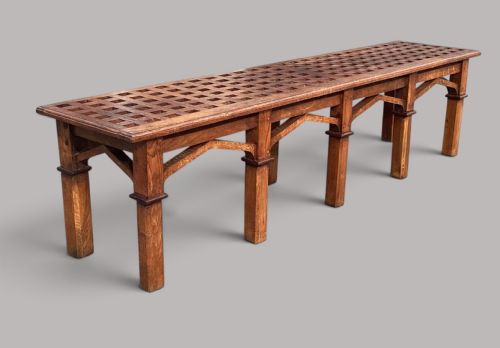
Gothic Wooden Seat
These gothic wooden seat examples bring architectural presence and solid construction to domestic interiors through robust revival forms.
Gothic Wooden Seat
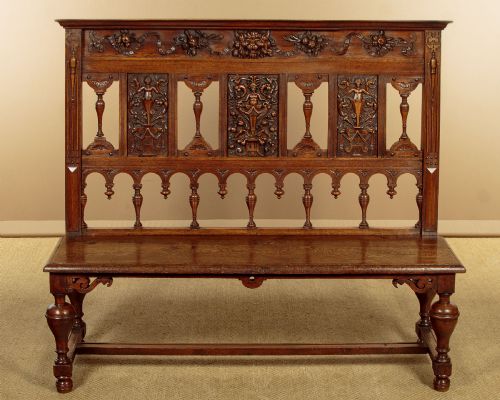
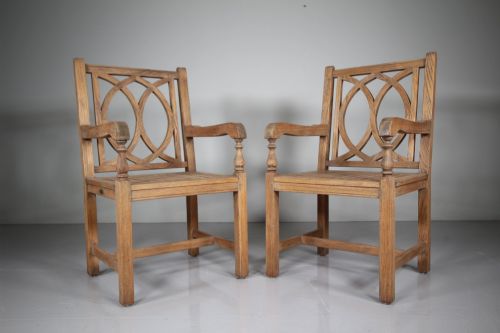
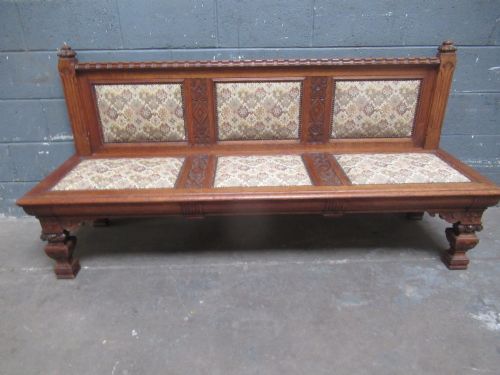
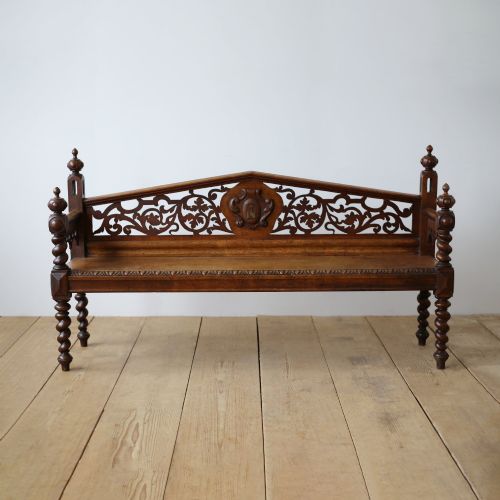
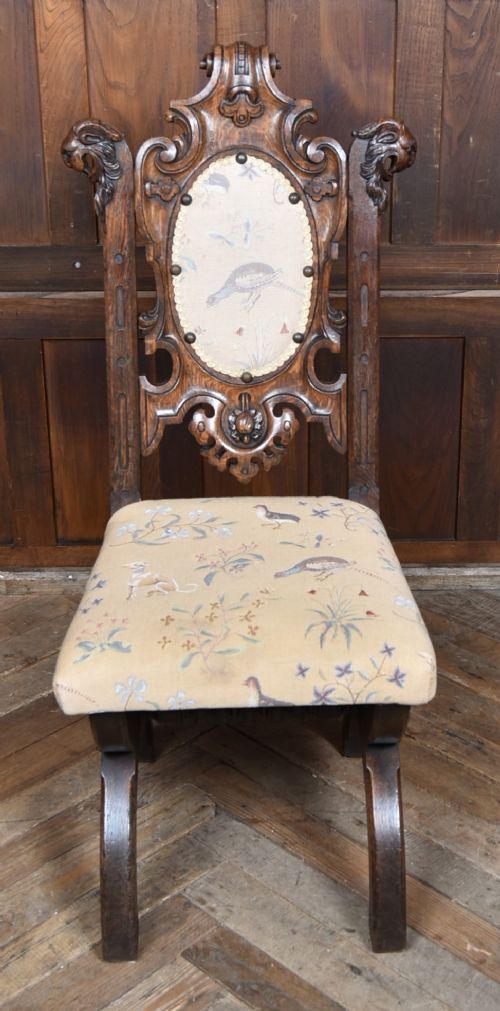
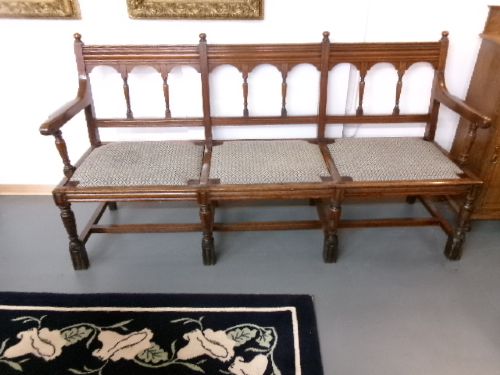
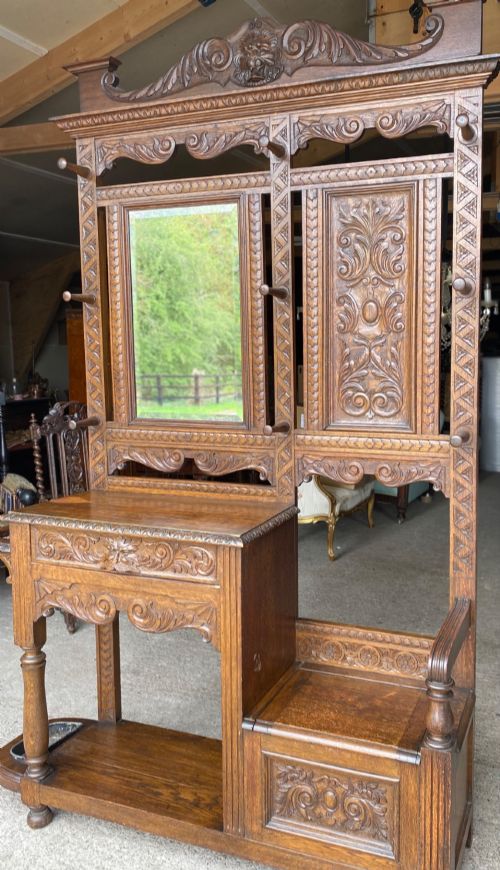
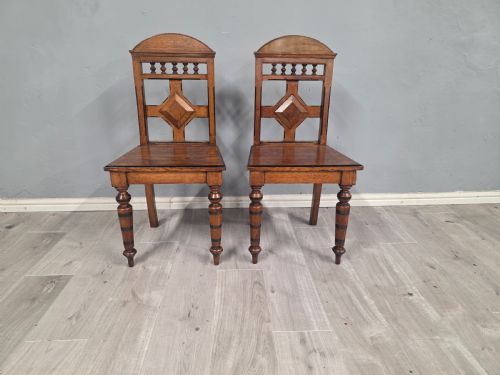
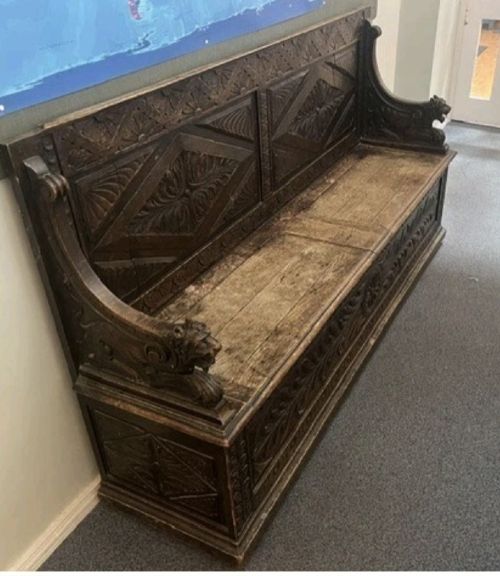
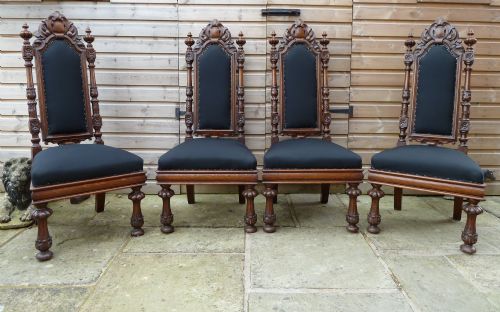
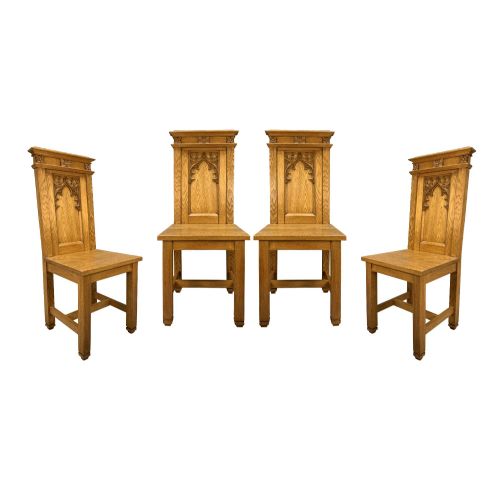
A gothic wooden seat encompasses a range of church pews, hall benches, armchairs, and settles rooted in Victorian and later revival movements. These forms draw heavily from medieval architectural vocabulary, translating stone pointed arches and tracery into functional domestic furniture.
The material palette centres firmly on native timbers, predominantly English oak, pitch pine, and standard pine. Pieces often display substantial proportions, architectural framing, and carved details such as trefoils derived from ecclesiastical traditions.
Materials and Construction
Makers relied primarily on solid oak and pitch pine, selecting timber for density and structural endurance. Joinery followed traditional framing methods, utilising pegged mortise and tenon joints to bear the weight of heavy architectural components.
Carving was executed directly into the solid wood rather than applied as separate ornamentation. Surfaces were finished to highlight the natural grain of the oak or pine, occasionally incorporating iron or brass hardware for structural reinforcement.
Gothic Wooden Seat Retail Price Guide 2026
Typical asking prices for gothic wooden seat among the pieces listed under this phrase on Sellingantiques today, from the lower quarter to the upper quarter. They describe what is for sale here now, not the wider market.
The inventory records vernacular pews, chapel thrones, and architectural hall benches spanning the Victorian and Edwardian periods.
Distinctions in Quality
Quality rests in the depth and precision of the carved ornamentation, such as trefoil supports and tracery, compared against plain or mechanically produced surfaces. The distinction also lies in timber selection, where dense English oak or figured walnut commands greater regard than common pine.
Proportion and structural integrity define the upper tier of these pieces. Items constructed for specific ecclesiastical commissions or notable workshops display superior joinery and architectural coherence.
Gillows
The Gothic Wooden Seat Glossary
- Gothic Revival
- A nineteenth-century movement that revived medieval architectural forms, pointed arches, and decorative motifs in architecture and furniture.
- Settle
- A wooden bench with high back, solid arms, and often a storage box beneath the seat, designed to block draughts in hallways.
- Trefoil
- A three-lobed ornamental design shaped like a clover leaf, commonly pierced or carved into the woodwork of ecclesiastical furniture.
- Pitch Pine
- A durable, resinous North American pine utilised widely during the nineteenth century for church pews and institutional seating.
Gothic Wooden Seat: Frequently Asked Questions
Where should a gothic wooden seat be placed?
These pieces suit large entrance halls, landings, or generous living spaces where their architectural proportions can be properly appreciated.
Because many examples were originally designed for churches or grand halls, they require adequate floor space to balance their visual weight.
How do I care for antique oak seating?
Maintain the timber by applying a traditional beeswax polish sparingly and buffing gently with a soft cloth to preserve the finish.
Keep the wood away from direct heat sources and sudden temperature changes to prevent splitting or drying of the joints.
Are church pews comfortable for daily use?
Pews and settle benches offer firm, upright support rather than deep lounging comfort, reflecting their institutional and medieval origins.
Adding loose squab cushions in a simple fabric can soften the seating for extended domestic use.
How can I distinguish a Victorian revival piece?
Victorian revival furniture typically combines sixteenth and seventeenth-century motifs with nineteenth-century machine-assisted joinery and standardised timber dimensions.
Examining the underside, fixing methods, and tool marks helps differentiate mid-to-late nineteenth-century production from older joinery.